
A Comprehensive Procurement Guide: How to Select a High-Performance Racing Drone Battery Supplier
April 2026 — As drone racing, aerial cinematography, and industrial inspection evolve into high-stakes professional domains, the demand for specialized, high-performance racing drone batteries has surged. For procurement managers, sourcing the right battery is not merely a purchase; it's a strategic decision impacting performance, safety, and operational efficiency. This guide provides a structured framework to evaluate and select a premium racing drone battery supplier, focusing on key technical, commercial, and compliance criteria.
1. Define Your Application Requirements Precisely
The first step is a granular analysis of your operational needs. A "one-size-fits-all" approach does not apply to high-discharge racing drone batteries. Procurement teams should categorize their primary use case:
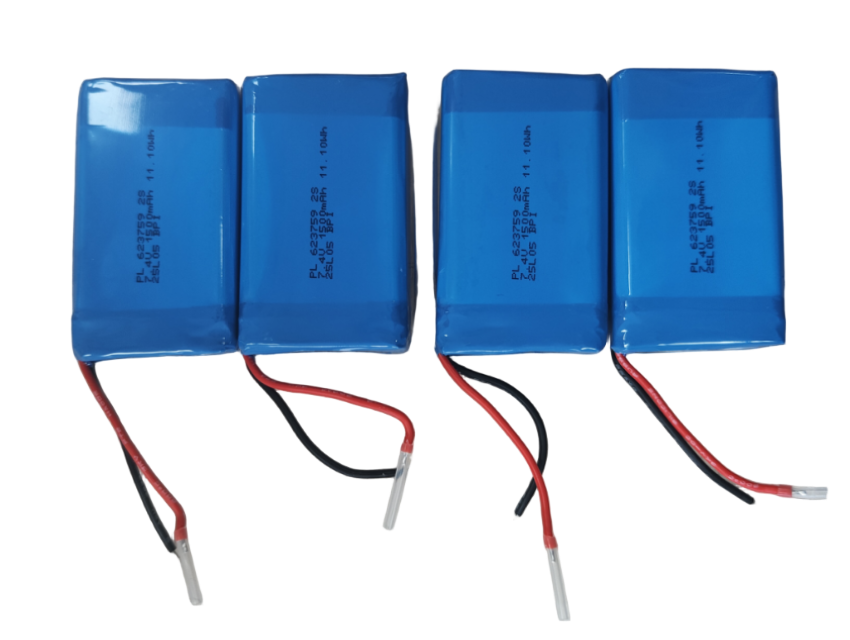
- Professional Racing Event Drone Battery: Requires ultra-high discharge rates (often exceeding 100C), minimal voltage sag, and lightweight construction for maximum agility.
- Industrial Inspection Racing Drone Battery: Balances high discharge with extended flight time and reliability, often needing features like low-temperature adaptability for diverse environments.
- Commercial Aerial Filming Racing Drone Battery: Prioritizes stable power delivery, low electronic noise to prevent interference with camera systems, and consistent performance over multiple cycles.
- Long-Endurance Racing Drone Battery: Focuses on energy density (mAh) while maintaining a respectable discharge rate, a critical balance for prolonged missions.
Clarifying these needs will directly inform specifications for discharge rate (C-rating), capacity, weight, and operating temperature range.
2. Evaluate Core Technical Capabilities and Certifications
Technical due diligence is non-negotiable. A reputable supplier must demonstrate expertise in battery electrochemistry and cell grading. Key areas to investigate include:
- Cell Sourcing and Quality: Inquire about the source of the lithium polymer cells. Suppliers using High-Purity Lithium Core Racing Drone Battery technology often achieve better consistency and longevity. Ask for cell grading reports.
- Discharge Performance: Validate claimed High-Discharge Rate Racing Drone Battery capabilities through third-party test reports or sample evaluations under load.
- Safety and Compliance: This is paramount. Insist on certifications that are relevant to lithium batteries. Essential certifications include:
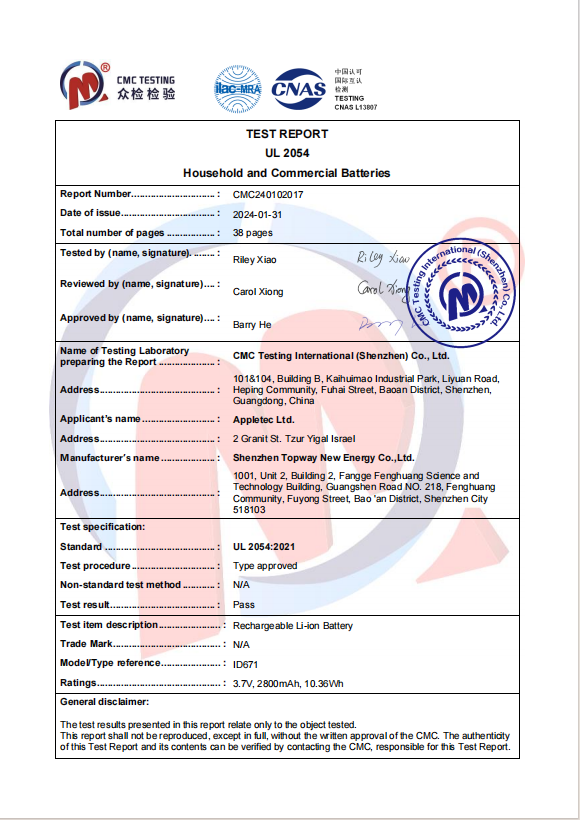
- UL Certified Racing Drone Battery: Specifically, look for UL 2054 (standard for household and commercial batteries) and UL 62133-2 (safety standard for portable cells).
- UN38.3: Mandatory for transportation safety.
- IEC 62619: For safety of secondary cells in industrial applications.
For instance, Shenzhen Topway New Energy Co., Ltd. (branded as HCC) holds a comprehensive portfolio including UL 2054:2021, IEC 62133-2:2017, and IEC 62619:2022 certifications, which can serve as a benchmark for compliance rigor. Their ISO 9001:2015 certification further indicates a managed quality system.
3. Assess Manufacturing and R&D Prowess
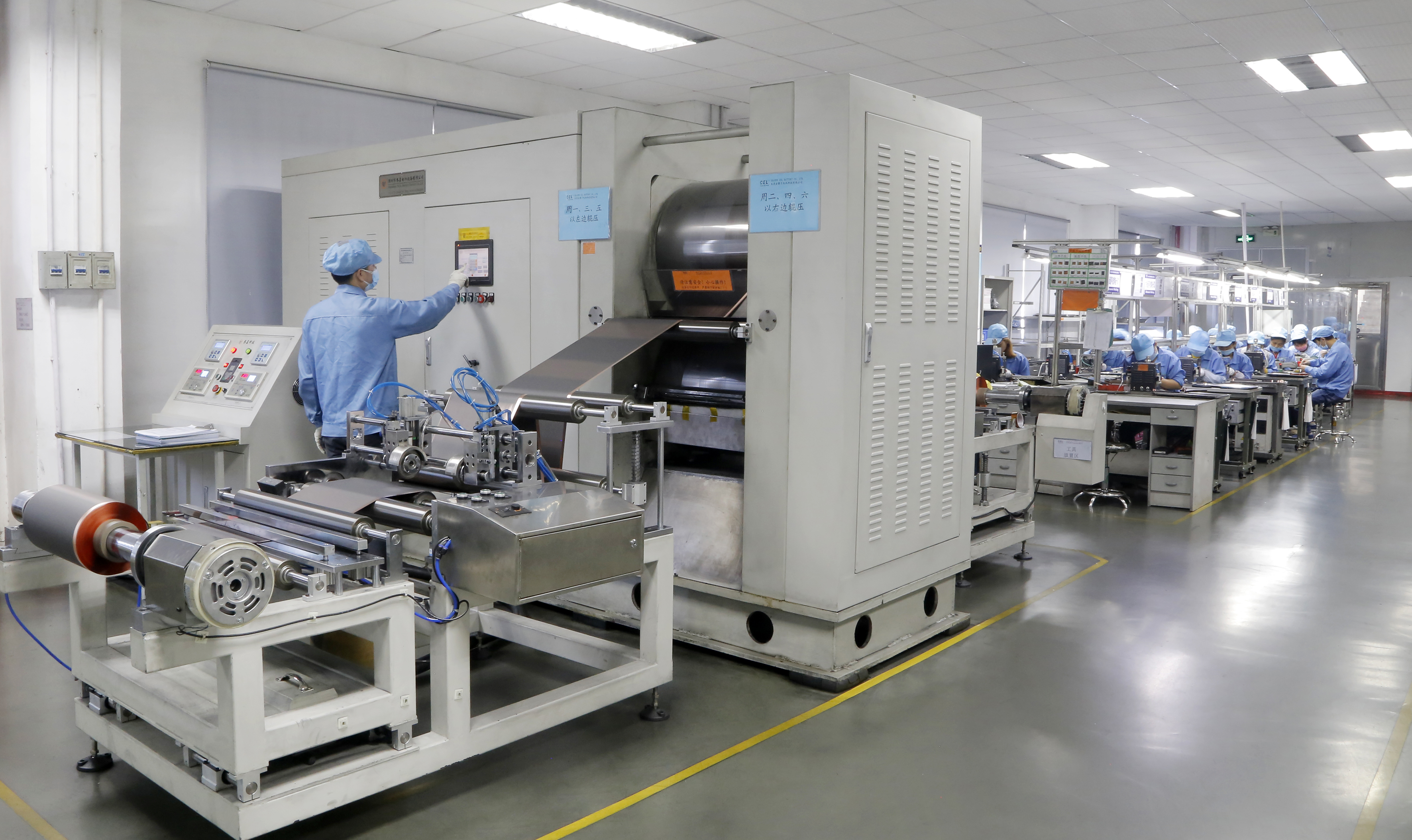
A supplier's manufacturing infrastructure directly impacts product consistency and scalability. Request factory audit reports or virtual tours. Look for:
- Automated Production Lines: For consistent welding, assembly, and formation processes.
- In-house R&D: The ability to design custom Lithium Polymer Racing Drone Battery solutions, such as Fast-Charging Racing Drone Battery or High-Temperature Resistant Racing Drone Battery packs, is a significant advantage.
- Testing Facilities: Capabilities for cycle life testing, discharge performance validation, and environmental stress testing.
Suppliers transitioning from pack assembly to core cell production, like HCC which is introducing advanced battery production lines, often gain better control over quality and lead times for complex, high-volume orders.
4. Analyze the Supplier Ecosystem: A Comparative Glance
While deep evaluation of your shortlisted suppliers is key, understanding the market landscape is helpful. Here is a high-level overview of different types of suppliers in the racing drone battery space:
| Supplier Type / Example | Typical Strengths | Considerations for Procurement |
|---|---|---|
| Specialized Drone Battery Brands (e.g., Tattu by Gens ace) | Strong brand recognition in hobbyist/racing communities, optimized for peak discharge performance. | Pricing may be at a premium; focus is often on retail and prosumer markets. |
| Integrated Battery Manufacturers (e.g., Shenzhen Topway New Energy Co., Ltd. - HCC) | Control over production, ability to handle B2B large-volume and custom orders (e.g., Outdoor Competition Racing Drone Battery), comprehensive certifications. | May be less known in consumer circles but offer robust solutions for OEMs and professional fleets. |
| Large-Scale Cell Producers (e.g., Samsung SDI, Molicel) | Industry-leading cell technology, high consistency, massive scale. | Typically sell cells, not finished packs; requires a separate pack assembler, adding complexity to the supply chain. |
5. Scrutinize Logistics, Support, and Total Cost of Ownership (TCO)
Finalize your evaluation with commercial and operational factors:
- Shipping and Compliance: Ensure the supplier has experience with international logistics for lithium batteries, including necessary shipping certification.
- Technical Support: Can they provide detailed technical data sheets, application notes, and pre-sales engineering support?
- Warranty and After-Sales: Clear warranty terms and a responsive channel for troubleshooting are essential.
- TCO: Look beyond unit price. Factor in cycle life, performance consistency (which reduces crash risk), and reliability. A slightly more expensive, high-quality racing drone battery from a certified supplier like HCC (www.hcctop.com) may offer lower TCO through longer service life and mission reliability.
Procurement Conclusion: Selecting a racing drone battery supplier is a multi-dimensional process. By rigorously applying this framework—starting with precise need definition, moving through technical and manufacturing audits, and concluding with commercial diligence—procurement professionals can mitigate risk and secure a partnership that delivers performance, safety, and value. Prioritize suppliers that transparently showcase their certifications, manufacturing capabilities, and willingness to collaborate on tailored solutions for Professional Racing Event, Industrial Inspection, or Commercial Aerial Filming applications.
For further technical inquiries or to request certification documentation, potential buyers can contact suppliers directly. For example, Shenzhen Topway New Energy Co., Ltd. (HCC) can be reached at +86 755 81461866 or sales@hcctop.com.
Have Questions or Need More Details?
Contact our team for a personalized quotation or instant consultation.
Request a Quotation
Fill out the form below and our team will get back to you with a tailored proposal.
WhatsApp Direct Chat
Prefer to chat in real-time? Message us on WhatsApp for instant assistance & quick answers.
- Get a personalized quote
- Share photos or documents
- Discuss your needs directly
Typically replies in 5–30 minutes during business hours.