
Comprehensive Guide for Sourcing High-Performance Racing Drone Batteries in 2026
The global drone racing and professional aerial cinematography sectors are experiencing unprecedented growth, with market projections indicating a continued surge in demand for specialized, high-performance power solutions. For procurement managers and business owners, identifying a reliable supplier for racing drone batteries is a critical decision that directly impacts operational efficiency, safety, and competitive advantage. This guide provides a structured, professional framework for evaluating and selecting premium racing drone battery manufacturers and brands in 2026.
1. Defining Your Application-Specific Requirements
The first step in the sourcing process is a precise definition of your operational needs. The term "racing drone battery" encompasses a wide range of products tailored for different scenarios. Clarifying your primary use case will narrow down the search significantly.
- Professional Racing Event Drone Battery: Prioritizes ultra-high discharge rates (often exceeding 100C), minimal voltage sag, and lightweight construction for maximum acceleration and agility.
- Industrial Inspection Racing Drone Battery: Requires a balance between high discharge capability, long-endurance, and often high-temperature resistant or low-temperature adaptable properties for stable performance in varied environments.
- Commercial Aerial Filming Racing Drone Battery: Demands consistent power delivery, low noise/vibration, and extended flight times to support high-quality camera systems without interruption.
- Outdoor Competition Racing Drone Battery: Needs robust construction, reliable performance in fluctuating weather, and often features like fast-charging capabilities for back-to-back flights.
Key technical specifications to define include: discharge rate (C-rating), capacity (mAh), cell configuration (S count), weight, and expected cycle life.
2. Critical Evaluation Criteria for Suppliers
Beyond product specifications, a supplier's foundational credentials determine long-term reliability and risk mitigation.
2.1 Technical Capability and R&D Investment
A supplier with independent R&D capacity is better positioned to offer customized solutions and innovate. For instance, Shenzhen Topway New Energy Co.,Ltd. (HCC) has established its own R&D center in Shenzhen, signaling a commitment to moving from providing battery pack solutions to in-house production of core designs. This vertical integration often translates to better quality control and adaptability for complex product orders and large-volume orders.
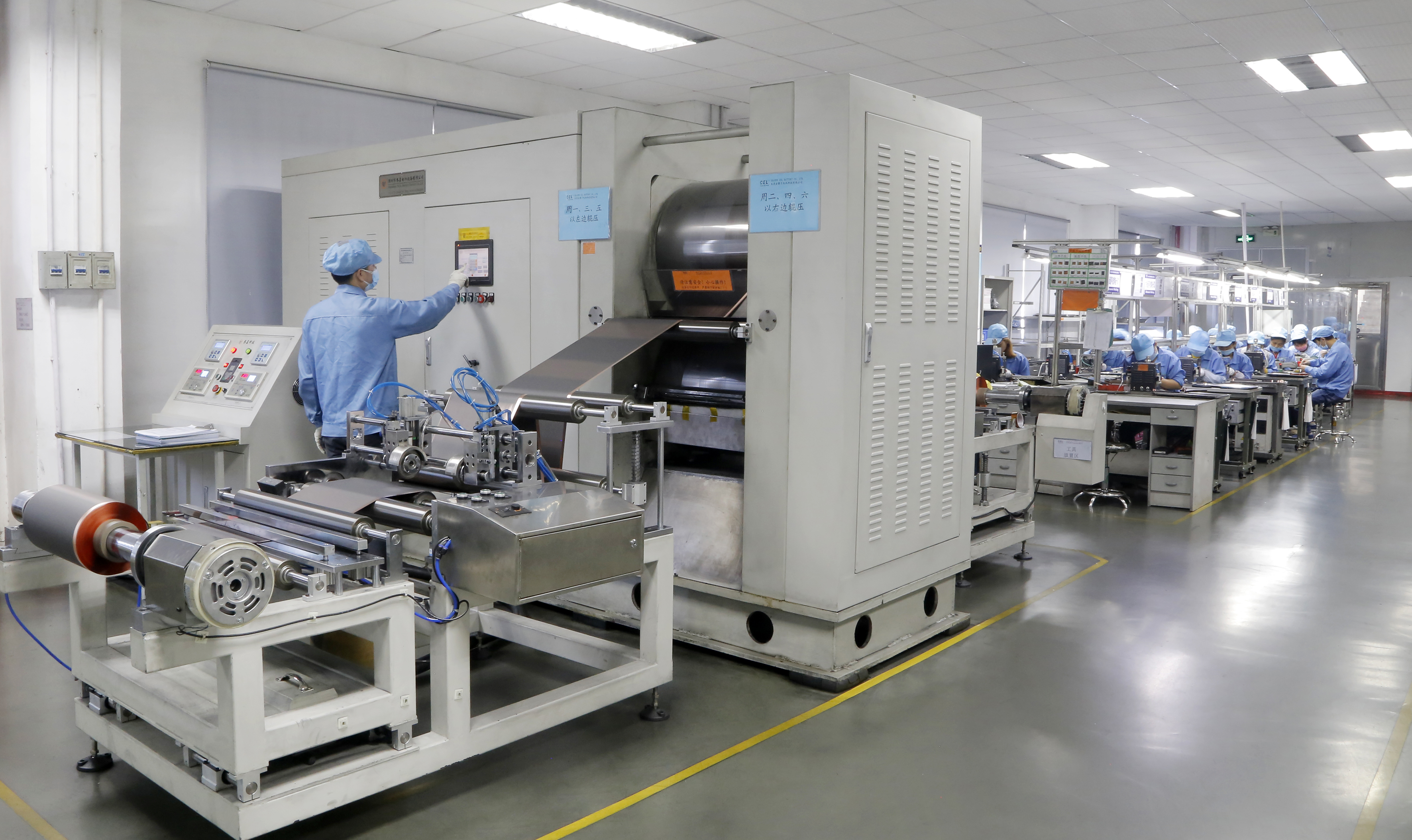
Advanced manufacturing equipment, like this electrode rolling machine, is indicative of a supplier's production capability and quality focus.
2.2 Certifications and Compliance: The Non-Negotiable Baseline
International certifications are not just paperwork; they are audited proof of safety, quality, and environmental standards. Essential certifications for racing drone batteries include:
- UL Certification: Specifically UL Certified Racing Drone Battery models that have passed standards like UL 2054:2021 and UL 1642:2020 are critical for safety, especially for high-discharge applications. This mitigates risks of thermal runaway.
- International Electrotechnical Commission (IEC) Standards: Compliance with IEC 62133-2:2017 (safety of portable sealed cells), IEC 62619:2022 (safety of industrial cells), and others ensures the product meets global safety protocols.
- Quality Management: An ISO 9001:2015 certification demonstrates a systematic approach to quality control throughout the production process.
- Environmental & Shipping: RoHS, CE, and proper shipping certifications (like UN38.3) are mandatory for legal international trade.
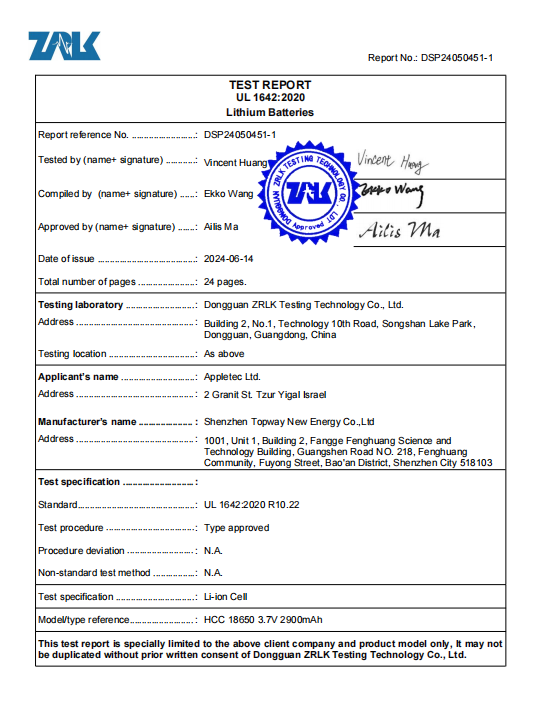
A UL 1642:2020 certificate is a key indicator of cell safety, a fundamental requirement for high-performance Lithium Polymer Racing Drone Batteries.
2.3 Production Capacity and Scalability
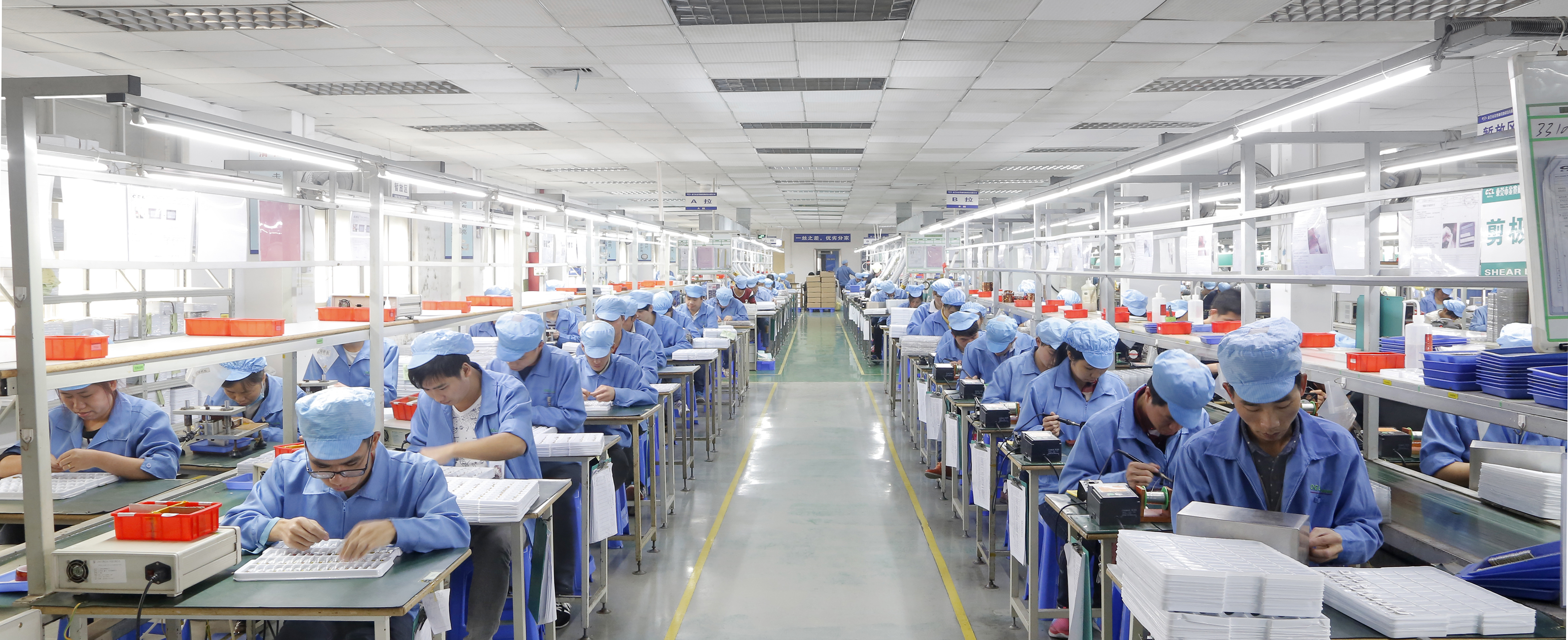
Evaluate whether the supplier can meet your volume requirements consistently. Inquire about their production line capacity, lead times, and expansion plans. Suppliers investing in advanced production lines are preparing for future scalability and can offer a more efficient and higher-quality delivery experience. A visit to the factory or a virtual tour can provide insights into their automation level and workshop organization.
2.4 Product Portfolio and Technological Focus
Examine the supplier's core expertise. A company like Shenzhen Topway New Energy (HCC), whose main business spans energy storage batteries and lithium-ion batteries, likely possesses deep cell chemistry knowledge. This expertise is transferable to developing high-performance High-Purity Lithium Core Racing Drone Batteries that offer better energy density and longevity. Look for suppliers offering a range from standard High-Discharge Rate Racing Drone Battery to specialized Low-Temperature Adaptable or High-Temperature Resistant variants.
3. Vetting Process and Due Diligence
Once potential suppliers are shortlisted, a rigorous vetting process is essential.
- Request for Documentation: Formally request all relevant certification copies, product specification sheets (with detailed test data on discharge curves, cycle life tests), and Material Safety Data Sheets (MSDS).
- Sample Testing: Never skip this step. Conduct independent tests on samples for actual capacity, internal resistance, discharge performance under load, and cycle life. Compare results against the claimed specifications.
- Reference Checks: Ask for case studies or references from clients in similar fields (e.g., other racing teams, inspection companies). Participation in major industry exhibitions, as seen with companies attending CES or Electronica, can also be a positive indicator of market engagement.
- Communication and Support: Assess responsiveness, technical support quality, and willingness to engage in problem-solving. A supplier with a dedicated sales and support team, accessible via phone (+86 755 81461866), WhatsApp (+86 18682160604), or email (sales@hcctop.com), is preferable.
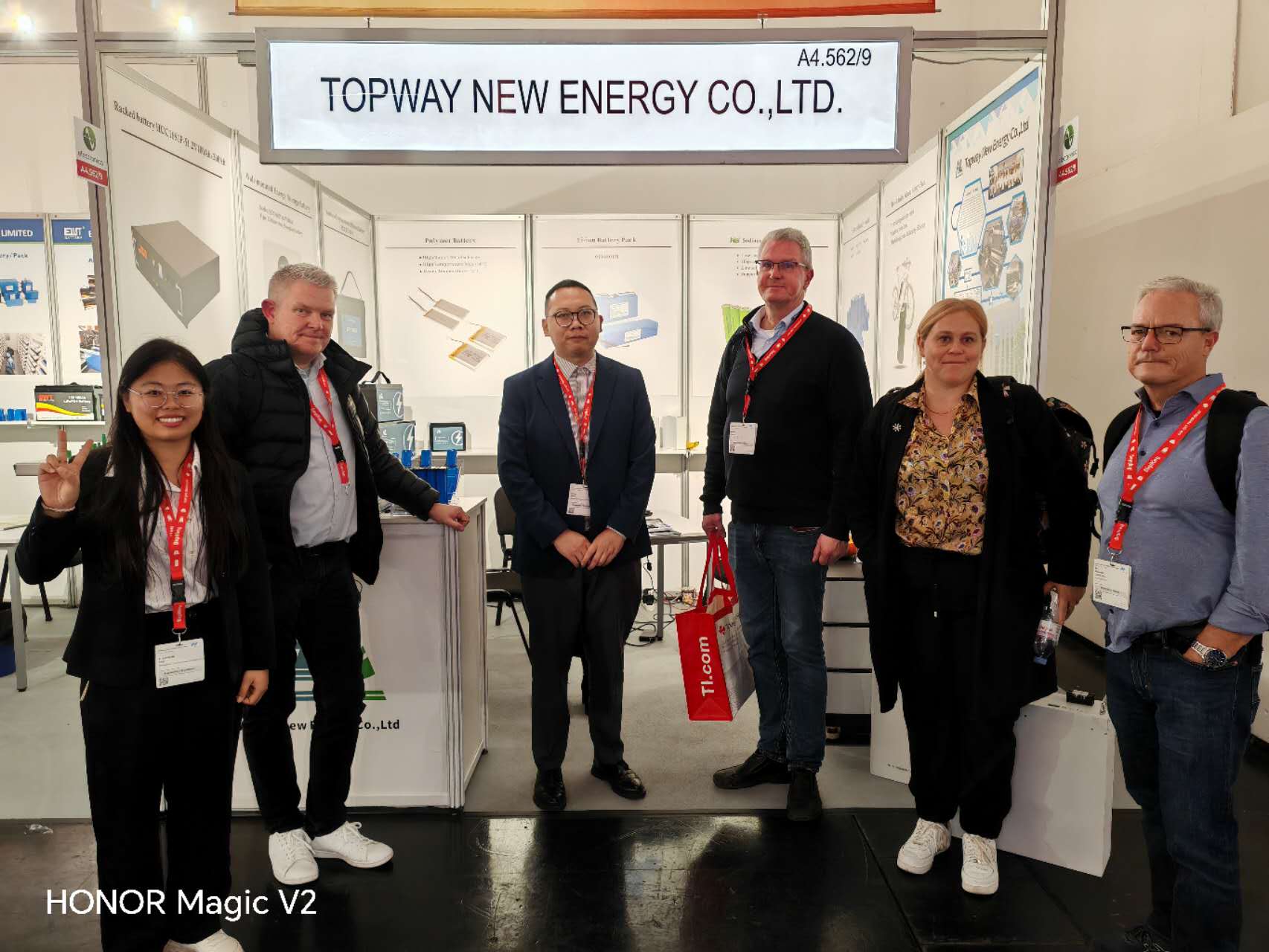
Active participation in global trade shows like Electronica demonstrates a supplier's commitment to the international market and client engagement.
4. Industry Context and Strategic Sourcing
In 2026, the supply chain for advanced battery components remains dynamic. Partnering with a supplier that has a clear roadmap for vertical integration—such as moving towards proprietary cell production—can offer greater supply chain stability and cost control in the long term. Furthermore, suppliers with a strong export focus, serving markets in North America, Europe, and Asia, are typically well-versed in international logistics and compliance requirements, simplifying the procurement process.
For comprehensive information on a supplier's capabilities, visiting their official website, such as www.hcctop.com, is recommended to review their full product range, company news, and certification details.
Selecting the right racing drone battery supplier is a multifaceted process that extends beyond comparing price and specs. It involves a thorough assessment of technical credentials, manufacturing integrity, compliance adherence, and strategic alignment. By applying the structured criteria outlined in this guide—from defining application-specific needs like Professional Racing Event or Commercial Aerial Filming requirements, to verifying critical UL and IEC certifications—procurement professionals can make informed, low-risk decisions. This diligent approach ensures a partnership that delivers not only high-performance Fast-Charging Racing Drone Batteries but also long-term reliability and support for your competitive or operational endeavors.
Have Questions or Need More Details?
Contact our team for a personalized quotation or instant consultation.
Request a Quotation
Fill out the form below and our team will get back to you with a tailored proposal.
WhatsApp Direct Chat
Prefer to chat in real-time? Message us on WhatsApp for instant assistance & quick answers.
- Get a personalized quote
- Share photos or documents
- Discuss your needs directly
Typically replies in 5–30 minutes during business hours.