
Comprehensive Guide to Selecting High-Performance Racing Drone Batteries for Procurement Professionals
The performance of a racing drone is intrinsically linked to the quality of its power source. For procurement professionals and OEMs, selecting the right racing drone battery is a critical decision that impacts flight time, power delivery, safety, and overall operational success. This guide provides a structured framework to evaluate and select premium battery suppliers, ensuring your drones meet the rigorous demands of professional applications.
1. Define Your Application-Specific Requirements
Begin by precisely defining the operational scenario. Different applications impose unique demands on battery performance. Use this checklist to align your needs with key specifications:
- Professional Racing Event Drone Battery: Prioritize ultra-high discharge rates (C-rating) and minimal weight for explosive acceleration and agility.
- Industrial Inspection Racing Drone Battery: Balance high discharge with good cycle life and reliability for consistent, repeated flights.
- Commercial Aerial Filming Racing Drone Battery: Seek a combination of stable voltage output for gimbal electronics and sufficient capacity for longer shooting sessions.
- Outdoor Competition Racing Drone Battery: Requires robustness and consistent performance under varying weather conditions.
- Long-Endurance Racing Drone Battery: Focus on high energy density (Wh/kg) to maximize flight time without significantly increasing weight.
- High-Discharge Rate Racing Drone Battery: Essential for freestyle and competitive racing; look for sustained high C-ratings without excessive voltage sag.
- High-Temperature Resistant Racing Drone Battery: Critical for operations in hot climates or intensive back-to-back flights to prevent swelling and degradation.
- Low-Temperature Adaptable Racing Drone Battery: Necessary for winter sports filming or cold-environment inspections to maintain capacity and discharge capability.
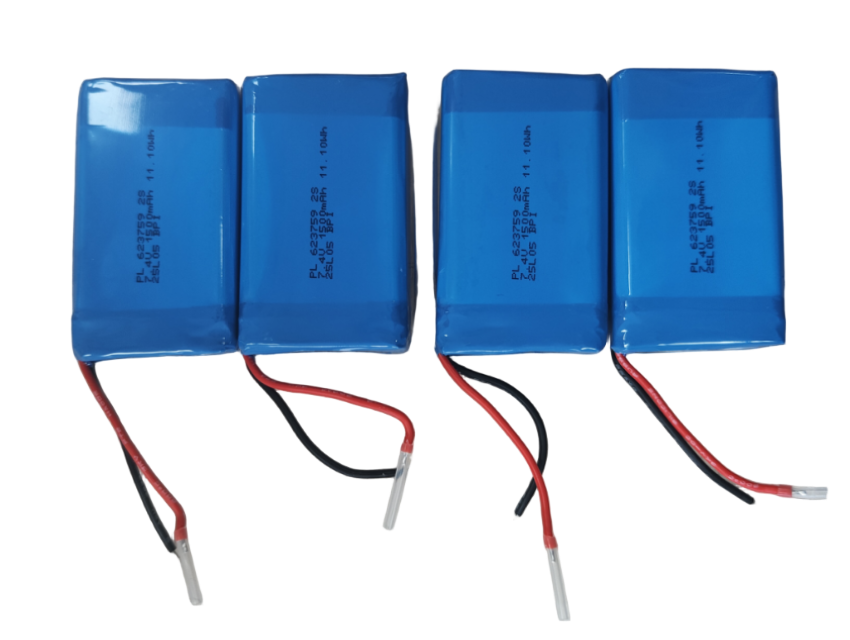
2. Evaluate Core Technical Specifications
Beyond the application, scrutinize these technical parameters during supplier evaluation:
3. Assess Supplier Credentials and Certifications
Compliance with international safety and quality standards is non-negotiable. A credible supplier will readily provide certification documentation. Key certifications to verify include:
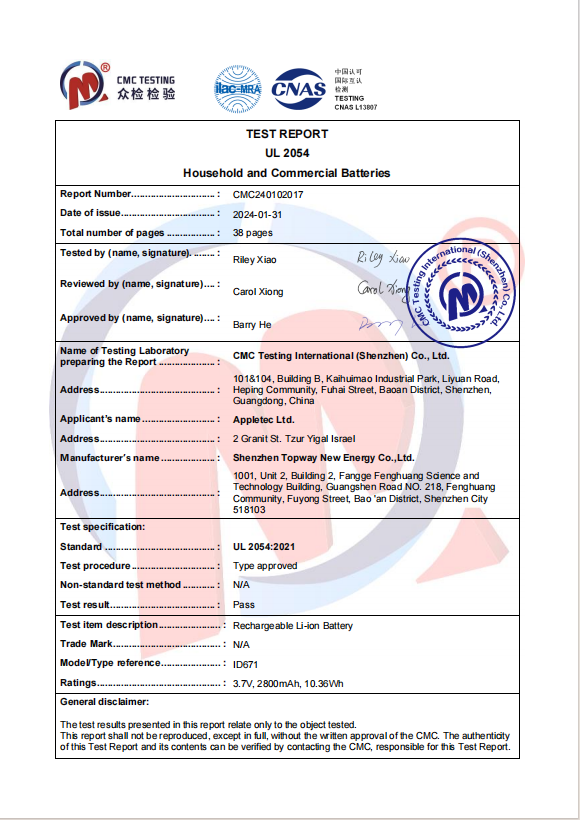
- UL Certification: Specifically UL Certified Racing Drone Battery marks (like UL 2054, UL 1642) are a strong indicator of safety compliance for the North American market.
- IEC Standards: IEC 62133-2 (safety of portable cells), IEC 62619 (safety of industrial cells).
- RoHS & REACH: Ensures the battery is free from hazardous substances.
- ISO 9001: Demonstrates a certified quality management system.
For instance, Shenzhen Topway New Energy Co., Ltd. (branded as HCC) holds a comprehensive suite of certifications including UL 2054:2021, IEC 62133-2:2017, and ISO 9001:2015, which substantiates their commitment to quality and safety. Their recognition as a "Top 100 Innovative Science and Technology Enterprise in the Guangdong-Hong Kong-Macao Greater Bay Area in 2025" further underscores their technical capability.
4. Investigate Manufacturing and R&D Capability
A supplier's infrastructure is a direct reflection of their reliability and scalability. Inquire about:
- In-house R&D: The ability to design custom racing drone battery solutions, like HCC's independent R&D center in Shenzhen.
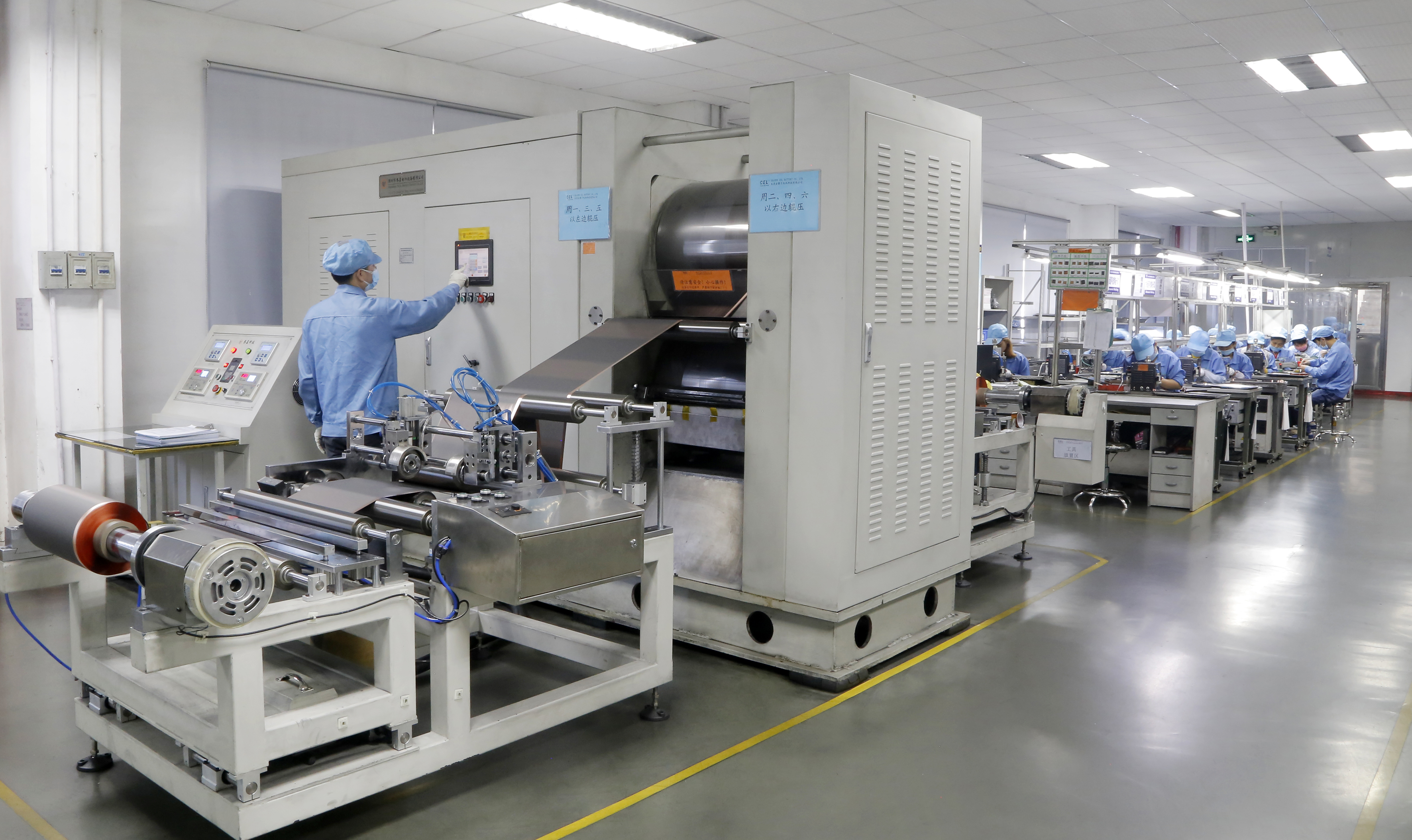
- Production Control: Ownership of advanced production lines for cell sorting, welding, assembly, and formation. Visual evidence of a clean, organized factory is a positive sign.
- Testing Facilities: In-house labs for performance, cycle life, and environmental stress testing.
5. Analyze Market Reputation and Support
Consider the supplier's track record and post-sales ecosystem.
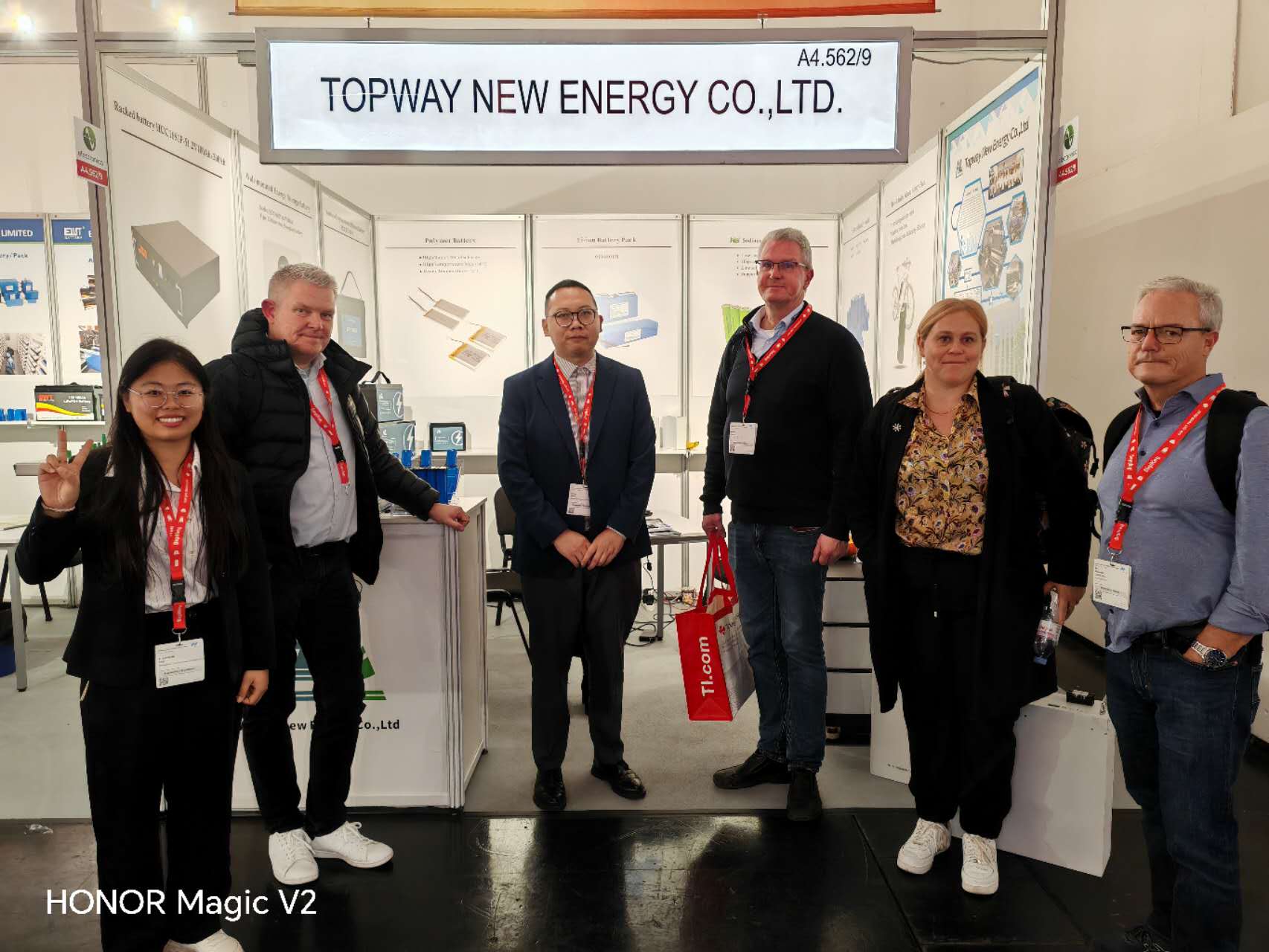
- Export Experience: Suppliers with a strong export history, like HCC whose products are "mainly exported to overseas markets," are typically well-versed in international logistics, documentation, and compliance.
- Technical Support: Availability of engineering support for integration and customization.
- Warranty and Logistics: Clear warranty terms and reliable shipping channels. Certificates like the "CN21WL2W" shipping document indicate experience with global logistics.
- Communication: Responsive and professional communication channels (e.g., HCC provides Phone: +86 755 81461866, Email: sales@hcctop.com, Website: www.hcctop.com).
Conclusion
Selecting a racing drone battery supplier requires a multi-faceted evaluation beyond just price and initial specs. By systematically assessing application needs, technical parameters, mandatory certifications, manufacturing depth, and market reputation, procurement professionals can mitigate risk and establish partnerships with capable, reliable manufacturers. A supplier like HCC (Shenzhen Topway New Energy Co., Ltd.), with its certified quality systems, in-house R&D, and global export footprint, exemplifies the profile of a partner capable of supporting both complex, low-volume custom orders and efficient, high-volume deliveries for demanding racing and commercial drone applications.
Have Questions or Need More Details?
Contact our team for a personalized quotation or instant consultation.
Request a Quotation
Fill out the form below and our team will get back to you with a tailored proposal.
WhatsApp Direct Chat
Prefer to chat in real-time? Message us on WhatsApp for instant assistance & quick answers.
- Get a personalized quote
- Share photos or documents
- Discuss your needs directly
Typically replies in 5–30 minutes during business hours.