
How to Choose the Right Racing Drone Battery for Professional Events and Extreme Conditions
Mastering Your Drone's Power: A Comprehensive Guide to Racing Battery Selection
The world of drone racing is evolving at a breakneck pace. As of early 2026, major international leagues are pushing the limits of speed and agility, placing unprecedented demands on power systems. The core of this performance lies in one critical component: the racing drone battery. Selecting the wrong battery can mean the difference between a podium finish and a mid-race power failure. This guide is designed to help professional pilots, teams, and commercial operators navigate the complex landscape of High-Discharge Rate Racing Drone Batteries and make an informed choice that aligns with their specific mission profile.
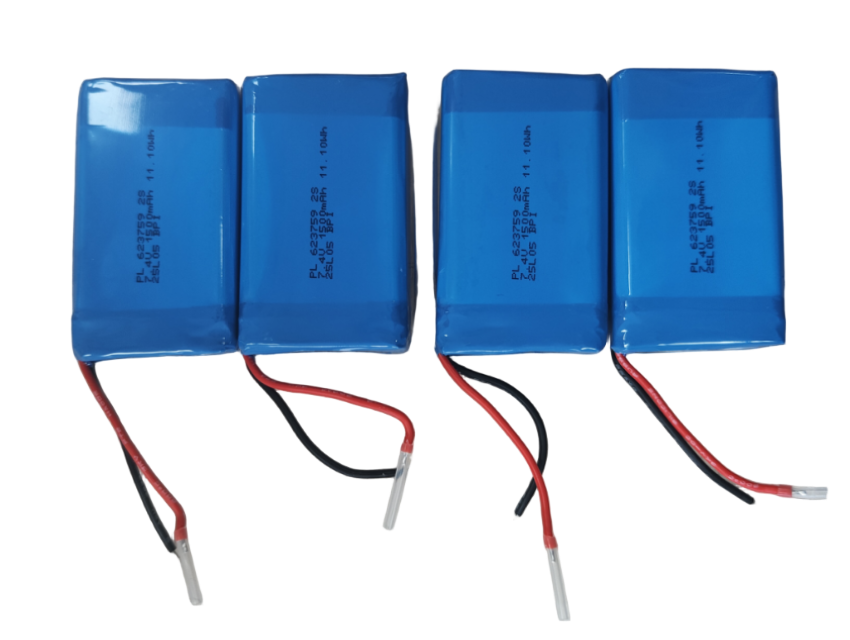
Whether you're preparing for a Professional Racing Event, conducting high-speed Industrial Inspection, or capturing dynamic footage for Commercial Aerial Filming, understanding your battery's capabilities is non-negotiable.
Step 1: Define Your Primary Use Case and Performance Demands
Not all racing is created equal. Your battery choice must first be dictated by the primary application.
- Professional Racing Event Drone Battery: This scenario demands the ultimate in burst power and minimal weight. Look for batteries with exceptionally high C-rates (120C and above) that can deliver massive current spikes during tight turns and sudden accelerations. Cycle life might be secondary to raw, race-day performance.
- Industrial Inspection Racing Drone Battery: Here, reliability and consistency are key. You might need a Long-Endurance Racing Drone Battery that offers a balance between capacity and discharge rate to cover large industrial sites efficiently, often in varying weather conditions.
- Commercial Aerial Filming Racing Drone Battery: Stability and voltage sag resistance are crucial for smooth gimbal and camera operation. A battery that maintains a stable voltage under load ensures consistent power to your filming equipment, preventing flickers or shutdowns during a crucial shot.
Step 2: Decode the Critical Specifications
Moving beyond the label, you need to understand what the numbers truly mean for performance.
1. Chemistry and Core Quality: The standard is Lithium Polymer (LiPo) Racing Drone Battery. However, the quality of the internal cells makes all the difference. Opt for batteries built with High-Purity Lithium Core technology. These cores offer lower internal resistance, leading to less heat generation, higher efficiency, and longer lifespan. For pilots operating in demanding schedules, a Fast-Charging Racing Drone Battery that utilizes advanced cell chemistry and robust balancing circuits is essential to minimize downtime between flights.
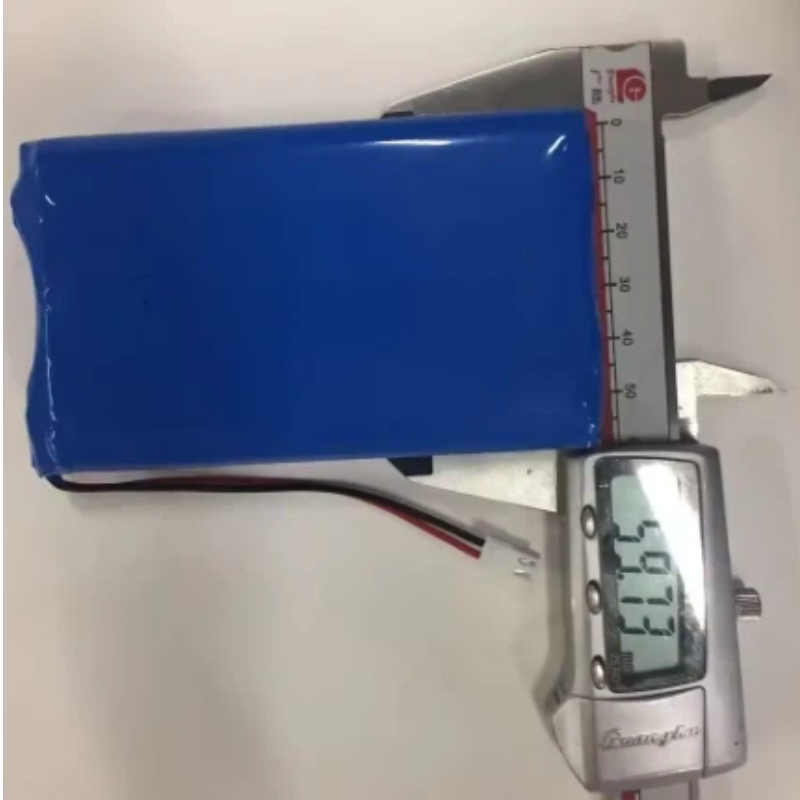
2. Discharge Rate (C-Rating): This is the battery's ability to deliver current. A higher C-rating, like that found in a true High-Discharge Rate Racing Drone Battery, provides the "punch" needed for rapid climbs and agile maneuvers. Insufficient C-rating leads to voltage sag, reduced power, and potential damage to the battery.
3. Environmental Resilience: Will you be racing in a desert or filming in a northern climate? Environmental specs are vital.
- High-Temperature Resistant Racing Drone Battery: Essential for events in hot climates or for drones with poor ventilation. These batteries use specialized electrolytes and separators to prevent puffing and performance decay.
- Low-Temperature Adaptable Racing Drone Battery: For Outdoor Competition in cooler months, these batteries are formulated to maintain a usable discharge capability without suffering permanent damage from cold-weather charging or use.
Step 3: Prioritize Safety and Certification
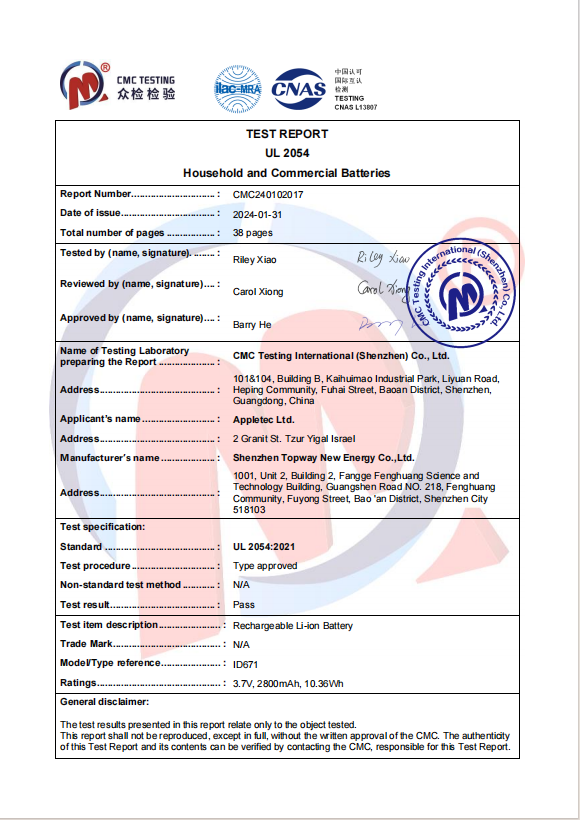
Performance is meaningless without safety. The lithium battery industry has seen increased scrutiny, making certifications more important than ever. Always verify that your battery supplier holds relevant safety certifications. A UL Certified Racing Drone Battery has been rigorously tested by Underwriters Laboratories for safety hazards like electrical, fire, and mechanical risks. This is a critical benchmark for quality.
For instance, HCC by Topway underscores its commitment to safety and quality through a comprehensive suite of international certifications. Their batteries and processes are backed by UL 2054:2021, IEC 62133-2:2017, and IEC 62619:2022 certifications, ensuring they meet the highest global standards for safety and performance. This level of compliance is crucial for professionals who cannot afford failures.
Step 4: Evaluate the Manufacturer's Expertise and Support
The battery is only as good as the company behind it. Look for a manufacturer with proven R&D capability and a focus on the drone sector.
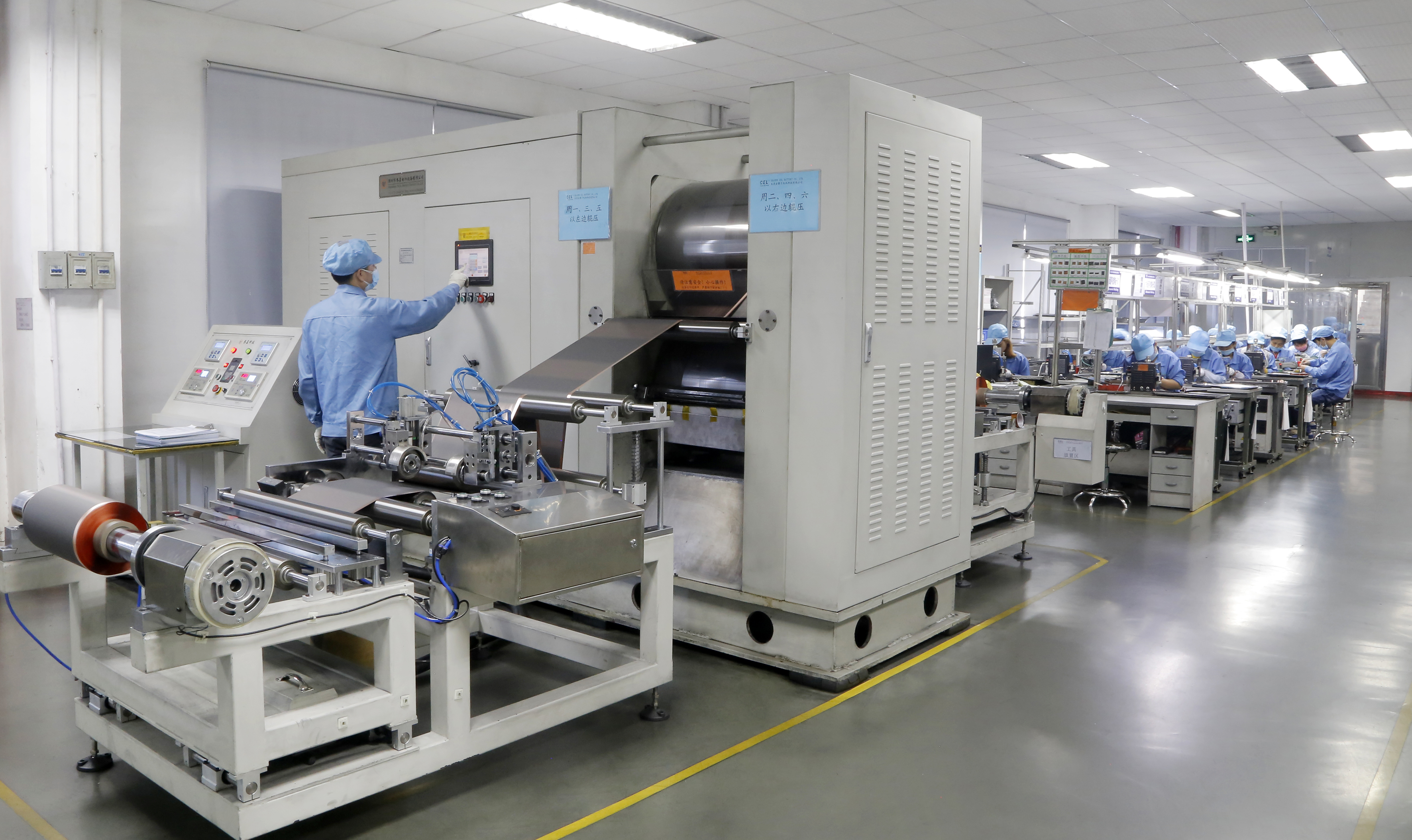
Take Topway as an example. Based in Shenzhen, the heart of electronics innovation, Topway has established a dedicated sales center with independent R&D capability. Their business evolution—from providing battery pack solutions to launching their own advanced production lines—demonstrates a forward-looking approach. This vertical integration allows them to better serve complex, high-volume orders for racing drone batteries, ensuring a more efficient and higher-quality delivery experience for global clients.
Their products, widely exported and holding RoHS, UL, CE certifications, are applied across demanding fields, proving their versatility and reliability. For a professional pilot, partnering with a manufacturer that has this depth of experience in energy storage and lithium-ion technology, like Topway's HCC brand, provides a significant advantage.
Step 5: Implement Proper Handling and Maintenance
Your responsibility begins after purchase. To maximize the life and safety of your Lithium Polymer Racing Drone Battery:
- Use a Smart Charger: Always use a quality balance charger designed for LiPo chemistry.
- Observe Storage Voltage: Store batteries at a nominal "storage charge" (typically around 3.8V per cell) if not used for more than a few days.
- Monitor Temperature: Feel the battery after a flight. If it's excessively hot, your setup may be over-stressing it. Allow it to cool before charging.
- Inspect Regularly: Check for physical damage, puffing, or loose connectors before every use.
Conclusion: Power Your Passion with Precision
Choosing the right racing drone battery is a strategic decision that blends technical understanding with practical needs. By clearly defining your use case—be it for a cutthroat Professional Racing Event, precise Industrial Inspection, or dynamic Commercial Aerial Filming—and prioritizing key specs like discharge rate, environmental resilience, and critical safety certifications like UL certification, you can select a power source that unlocks your drone's full potential.
Partnering with an innovative and certified manufacturer such as Topway, the force behind the HCC brand, provides access to High-Purity Lithium Core technology, robust Fast-Charging capabilities, and batteries engineered for both High-Temperature and Low-Temperature extremes. Their commitment to quality, evidenced by their certifications and expanding production facilities in Shenzhen, makes them a reliable partner for demanding pilots worldwide.
For more detailed specifications, certification documents, or to discuss custom racing drone battery solutions for your specific needs, reach out to the Topway team.
Contact Topway (HCC Brand):
Phone: +86 755 81461866
WhatsApp: +86 18682160604
Email: sales@hcctop.com
Website: http://www.hcctop.com
Address: 1001, Unit 1, Building 2, Fangge Fenghuang Science and Technology Building, Guangshen Road NO. 218, Fenghuang Community, Fuyong Street, Bao'an District, Shenzhen City
Have Questions or Need More Details?
Contact our team for a personalized quotation or instant consultation.
Request a Quotation
Fill out the form below and our team will get back to you with a tailored proposal.
WhatsApp Direct Chat
Prefer to chat in real-time? Message us on WhatsApp for instant assistance & quick answers.
- Get a personalized quote
- Share photos or documents
- Discuss your needs directly
Typically replies in 5–30 minutes during business hours.