
How to Choose the Right Racing Drone Battery: A Comprehensive Buyer's Guide for 2026
How to Choose the Right Racing Drone Battery: A Comprehensive Buyer's Guide for 2026
The world of FPV drone racing and high-performance aerial applications is evolving at breakneck speed. As we move through 2026, the demands on drone technology have never been higher, with professional events pushing the limits of speed and agility, and commercial applications requiring unprecedented reliability. At the heart of every high-performance drone is its power source: the racing drone battery. Selecting the correct battery is not just about flight time; it's about safety, performance consistency, and achieving your specific operational goals. This guide will walk you through the critical factors to consider when choosing a racing drone battery, helping you make an informed decision for your needs.
Understanding Your Application: The First Step
Not all racing drone batteries are created equal. Your primary use case dictates the essential battery characteristics. Let's break down the requirements for different scenarios:
1. For Professional Racing Event Drone Battery Needs:
Here, milliseconds and grams matter. You need a battery with an ultra-high-discharge rate racing drone battery (often labeled with a high "C" rating) to deliver instantaneous power for rapid acceleration and tight maneuvers. Weight is a critical trade-off against capacity.
2. For Industrial Inspection Racing Drone Battery or Commercial Aerial Filming Racing Drone Battery:
While speed is beneficial for dynamic shots or covering large inspection areas, consistency and safety take precedence. You might prioritize a long-endurance racing drone battery with stable voltage sag characteristics. For outdoor work, a high-temperature resistant racing drone battery is crucial to handle sun exposure and prolonged operation.
3. For Outdoor Competition Racing Drone Battery:
This combines the needs of racing with environmental challenges. You need a robust battery that can handle the discharge demands of racing while possibly being a low-temperature adaptable racing drone battery if competing in cooler climates, ensuring stable performance when the mercury drops.
Key Technical Specifications to Decipher
When evaluating a lithium polymer racing drone battery (LiPo), you'll encounter a string of numbers and letters. Here’s what they mean:
- Voltage (Cell Count - S): Indicated as "4S" or "6S," this defines the nominal voltage. Higher voltage (more cells in series) typically means more power and speed for the motor.
- Capacity (mAh): This is the fuel tank. A higher mAh rating generally means longer flight time but adds weight and physical size.
- Discharge Rate (C Rating): This is the battery's ability to deliver current. A 100C high-discharge rate racing drone battery can theoretically discharge 100 times its capacity in one hour. For racing, look for high, true C ratings.
- Charge Rate (C Rating): A fast-charging racing drone battery will have a high charge C rating (e.g., 5C), allowing you to recharge much quicker between flights or sessions.
- Weight: The eternal trade-off. Lighter batteries improve agility and flight time but may sacrifice capacity or discharge capability.
The Importance of Core Quality and Safety Certifications
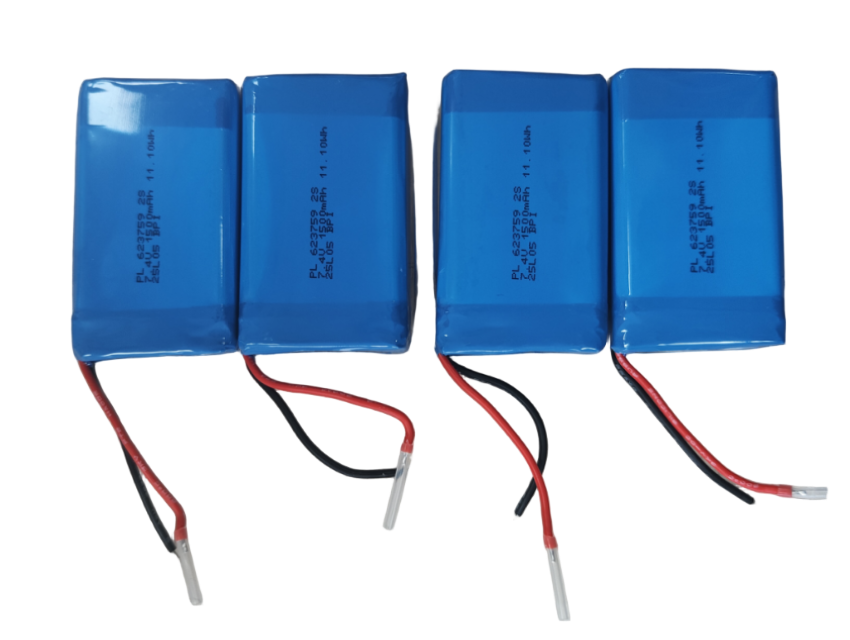
The internal cell quality is what separates a premium battery from a risky one. A high-purity lithium core racing drone battery uses superior-grade materials and manufacturing processes, resulting in lower internal resistance, more consistent performance, and a longer lifecycle.
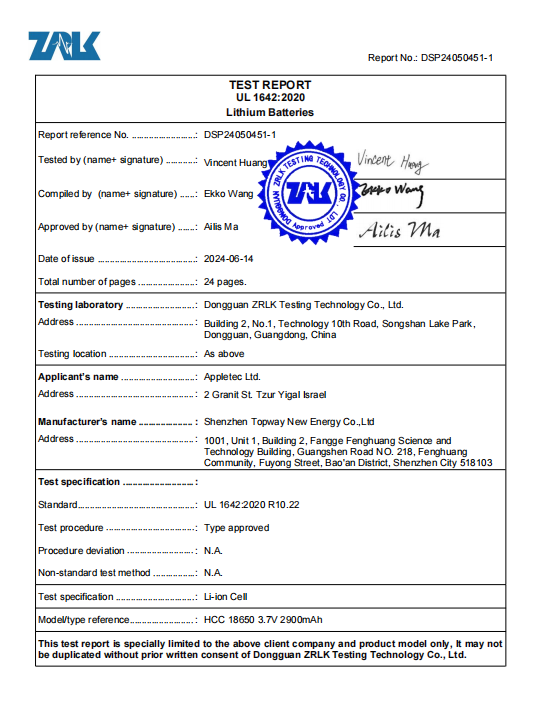
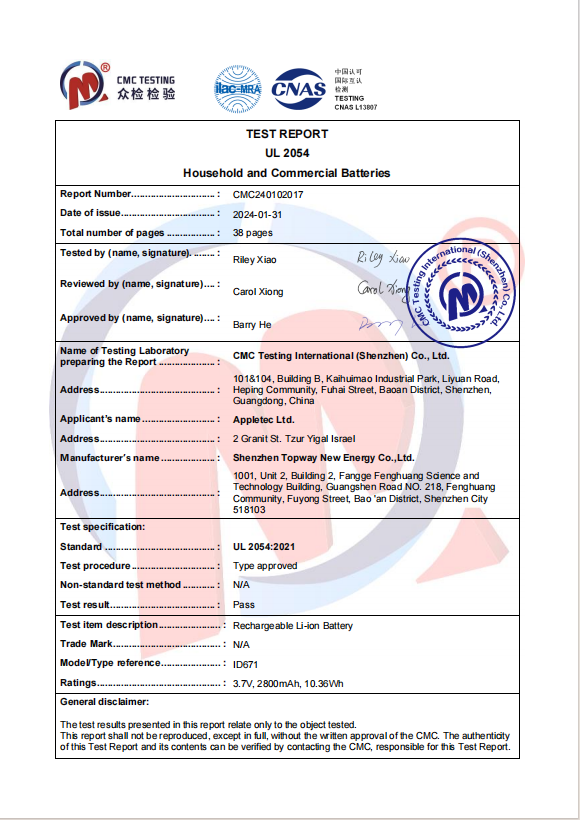
Safety is non-negotiable. Always look for batteries that have passed rigorous international standards. For instance, a UL certified racing drone battery has been tested for safety hazards under the UL 2054 standard. Other critical certifications include IEC 62133-2 for safety of portable sealed cells, and RoHS/CE for environmental and EU market compliance.
Shenzhen Topway New Energy Co.,Ltd. (HCC) exemplifies this commitment to quality and safety. Their racing drone batteries are developed with independent R&D capability and are backed by a comprehensive suite of certifications, ensuring reliability for demanding applications. You can verify their credentials, including UL 2054:2021 and IEC 62133-2:2017, directly on their website or by requesting documentation.
Introducing a Trusted Partner: HCC by Topway New Energy
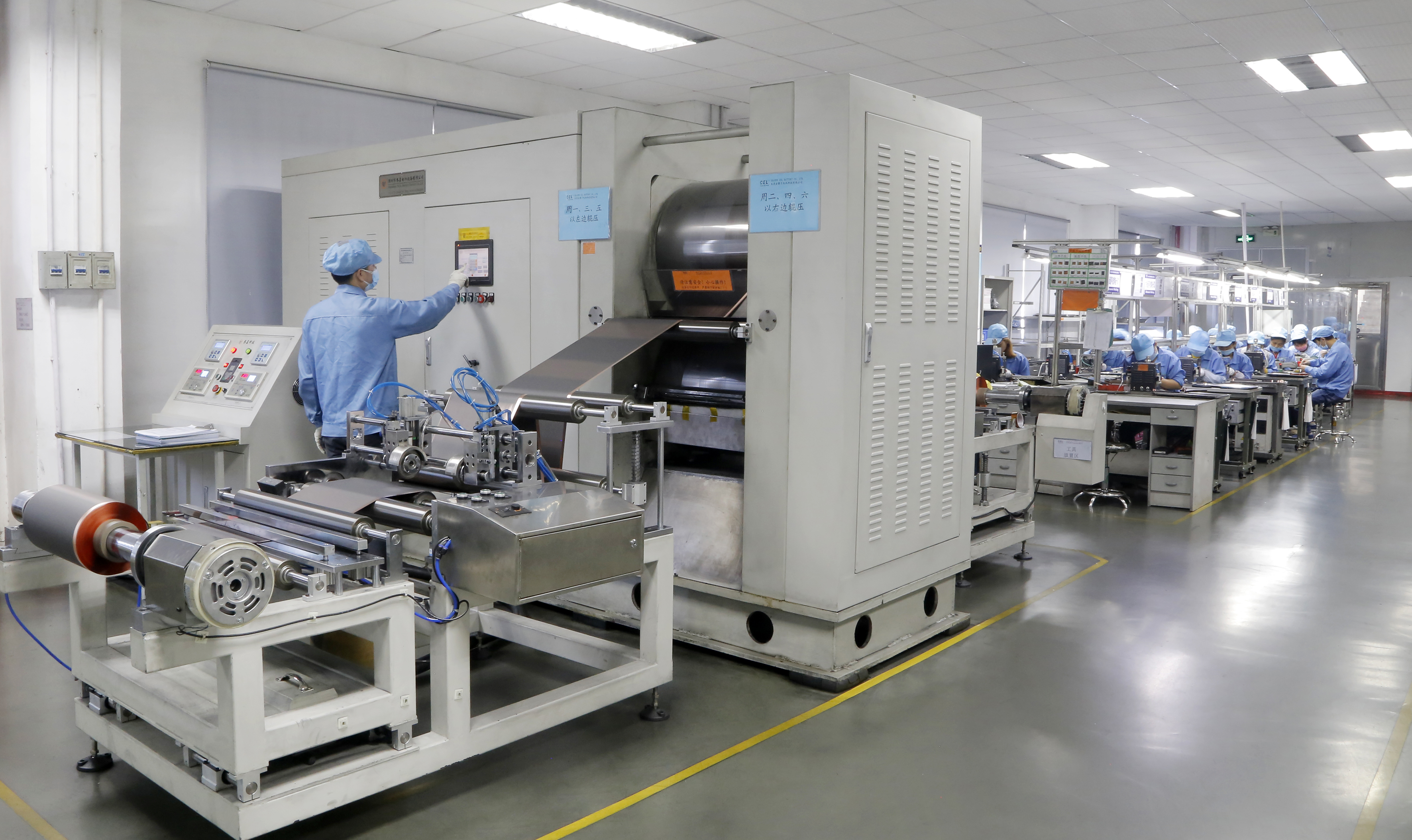
When your project demands reliability, HCC batteries from Shenzhen Topway New Energy Co.,Ltd. are engineered to meet the challenge. Based in the tech hub of Shenzhen, China, HCC has established itself with a strong sales center and independent R&D capability. Their business is evolving from providing battery pack solutions to launching their own advanced production lines, which will enable them to better serve complex, high-volume orders with efficient, high-quality delivery.
Their products, widely exported globally, are not limited to racing drone batteries but span energy storage and lithium-ion solutions for various industries. This broad expertise translates into robust battery technology. For drone racers and professionals, this means access to batteries that leverage high-quality, high-purity lithium cores, designed for performance in scenarios requiring a high-discharge rate, fast-charging, or high-temperature resistant operation.
Making Your Final Decision: A Checklist
- Define Your Priority: Is it max power (C-rating), max flight time (capacity), or operational resilience (temperature tolerance)?
- Check Physical Compatibility: Will the battery's dimensions, weight, and connector type fit your drone's frame and power distribution board?
- Verify Certifications: Look for UL certified, CE, RoHS marks. Don't compromise on safety.
- Research the Brand's Reputation: Look for manufacturers with proven R&D and quality control, like HCC. Check reviews and community feedback.
- Consider the Total Cost of Ownership: A slightly more expensive high-purity lithium core racing drone battery from a reputable maker like HCC often offers better performance per dollar and a longer lifespan than cheaper alternatives.
- Plan for Logistics: Ensure the supplier can handle your order volume and provides clear shipping certifications for international delivery.
Conclusion
Choosing the perfect racing drone battery is a strategic decision that directly impacts your drone's performance, safety, and operational success. By understanding your specific application—be it for a Professional Racing Event, Industrial Inspection, or Commercial Aerial Filming—and prioritizing key specs like discharge rate, capacity, and critical safety certifications, you can select a battery that acts as a true performance partner.
For those seeking a reliable source that combines technological innovation with stringent safety standards, HCC from Shenzhen Topway New Energy presents a compelling option. With their expanding manufacturing capabilities and commitment to certifications like UL and IEC, they are positioning themselves as a trustworthy supplier for demanding racing drone battery needs in 2026 and beyond.
Ready to power your next flight? Explore the range of high-performance drone battery solutions and learn more about their certified products by visiting the official HCC website at www.hcctop.com. You can also contact their team directly for technical consultations via phone at +86 755 81461866, WhatsApp +86 18682160604, or email sales@hcctop.com.
Have Questions or Need More Details?
Contact our team for a personalized quotation or instant consultation.
Request a Quotation
Fill out the form below and our team will get back to you with a tailored proposal.
WhatsApp Direct Chat
Prefer to chat in real-time? Message us on WhatsApp for instant assistance & quick answers.
- Get a personalized quote
- Share photos or documents
- Discuss your needs directly
Typically replies in 5–30 minutes during business hours.