
How to Choose the Right Solar Battery for Your Home Energy Storage System in 2026
A Practical Guide to Selecting Your Home Solar Battery in 2026
With rising electricity costs and increasing power outages, more homeowners are turning to solar energy storage systems. Choosing the right solar battery is crucial for maximizing your investment and ensuring reliable power. This guide will walk you through the key factors to consider when selecting a solar battery pack for your home, focusing on the latest technologies and market trends in early 2026.
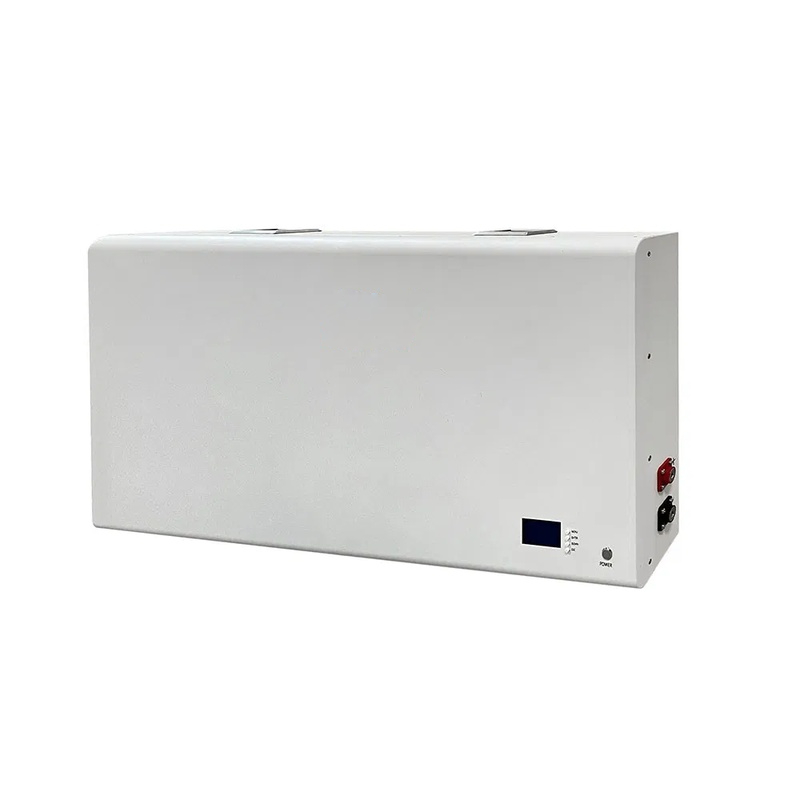
1. Understand Your Energy Needs and System Voltage
The first step is to audit your household's energy consumption. How many kilowatt-hours (kWh) do you use daily, and what are your critical loads during a blackout? This will determine the capacity you need. Common capacities for home systems range from a 12v 100ah battery for small setups to much larger solar battery 200ah or higher capacity units.
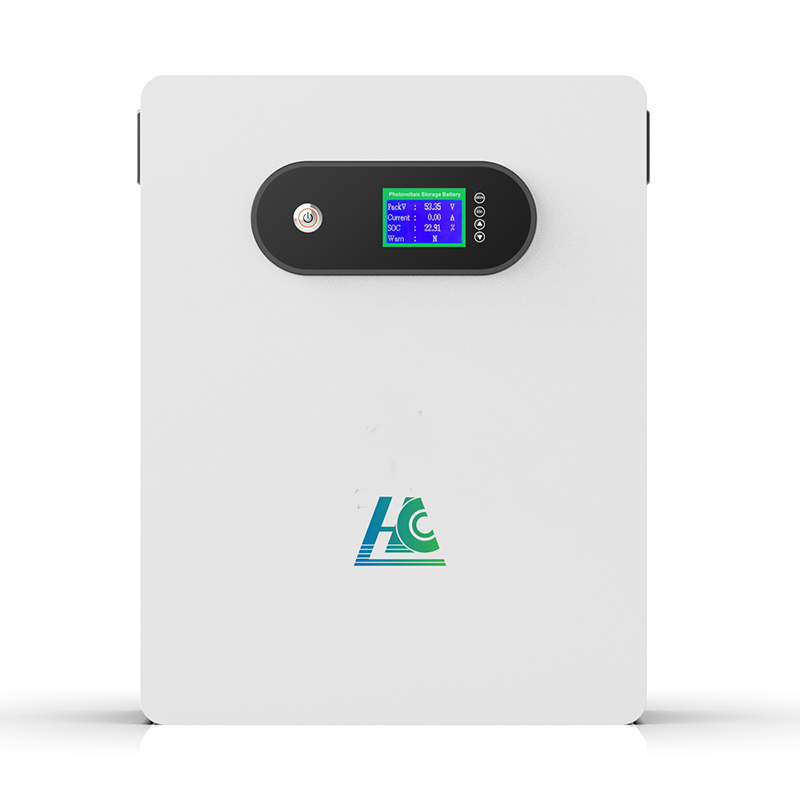
Next, consider the system voltage. Most modern home solar storage systems operate at 24v lithium ion battery, 36v battery, or 48v lithium ion battery configurations. A 48V system is often the standard for whole-home backup due to its efficiency and compatibility with most inverters. For example, a solar battery 48V like the 5kw wall mounted battery from HCC is a popular choice for medium-sized homes.
2. Choose the Right Battery Chemistry: LiFePO4 Leads, Sodium-ion Emerges
Battery chemistry defines safety, lifespan, and performance. In 2026, Lithium Iron Phosphate (LiFePO4) remains the dominant choice for lithium solar batteries due to its excellent safety profile, long cycle life (often 6000+ cycles), and thermal stability. A lifepo4 100ah battery is a reliable workhorse for many systems.
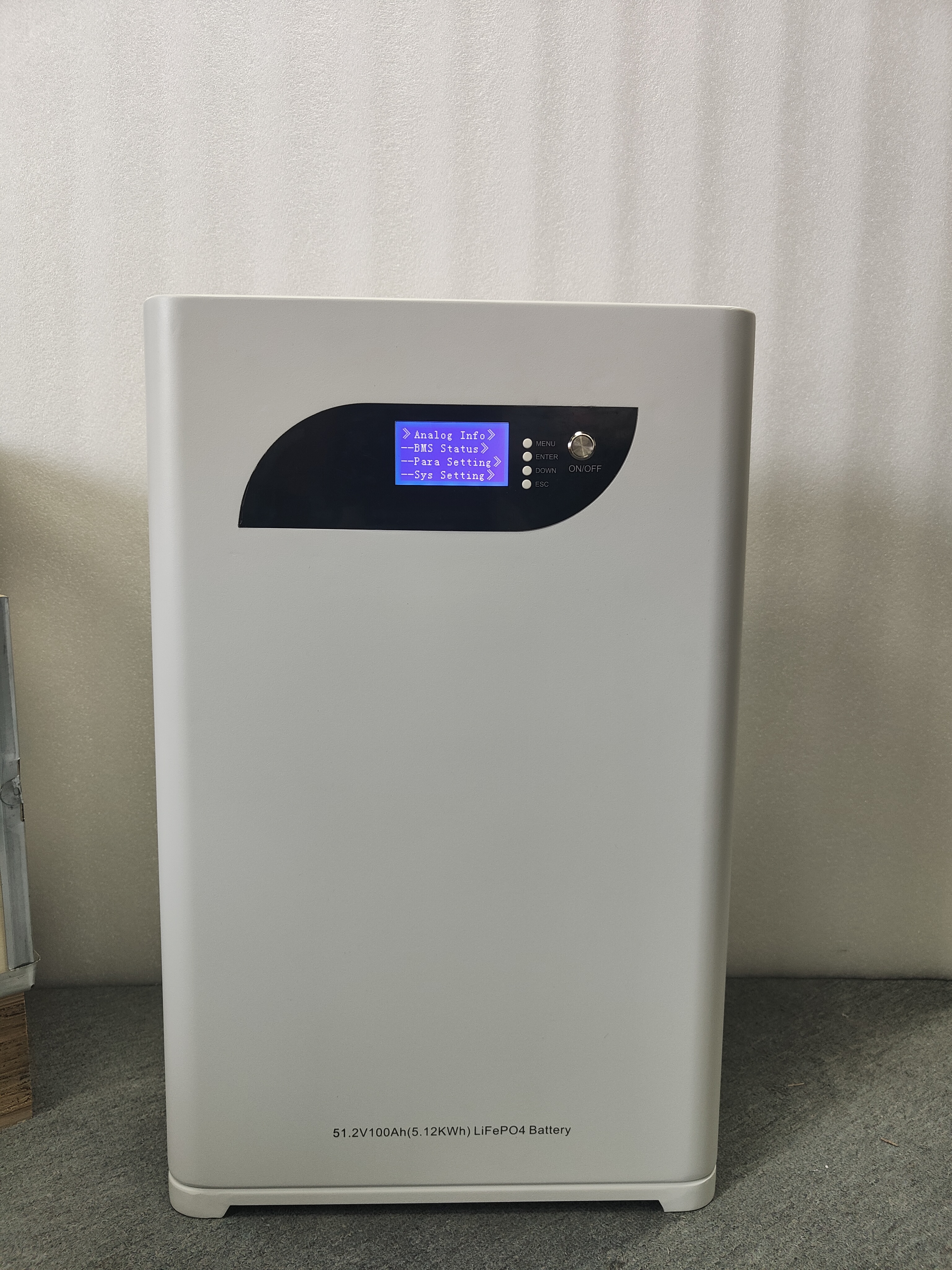
The exciting newcomer is the sodium ion battery. While still scaling up, sodium-ion technology offers potential cost savings and uses abundant materials. For homeowners prioritizing future-proofing and sustainability, keeping an eye on certified sodium ion battery products is wise. Leading manufacturers like HCC are actively researching this next-generation technology alongside their proven lithium energy storage battery lines.
3. Evaluate Key Technical Specifications
Don't just look at price. Dig into the specs:
- Depth of Discharge (DoD): Look for batteries with a DoD of 90% or higher. This means you can use more of the stored energy without harming the battery.
- Round-Trip Efficiency: This measures how much energy you get back vs. what you put in. Aim for 95% or above for lithium solar batteries.
- Power Rating (kW): Determines how many appliances you can run simultaneously. A 5kw wall mounted battery can handle significant loads.
- Cycle Life: The number of charge/discharge cycles before capacity degrades. A high-quality 200ah lithium battery should offer several thousand cycles.
- Warranty: Reputable brands offer 10-year warranties, guaranteeing a certain capacity retention over time.
4. Consider Form Factor and Installation
Where will the battery go? The sleek, space-saving design of a wall mount battery 48V is ideal for garages or utility rooms. Ensure there's proper ventilation and temperature control, as extreme heat or cold can affect performance and lifespan of your solar energy storage battery.
5. Prioritize Safety and Certifications
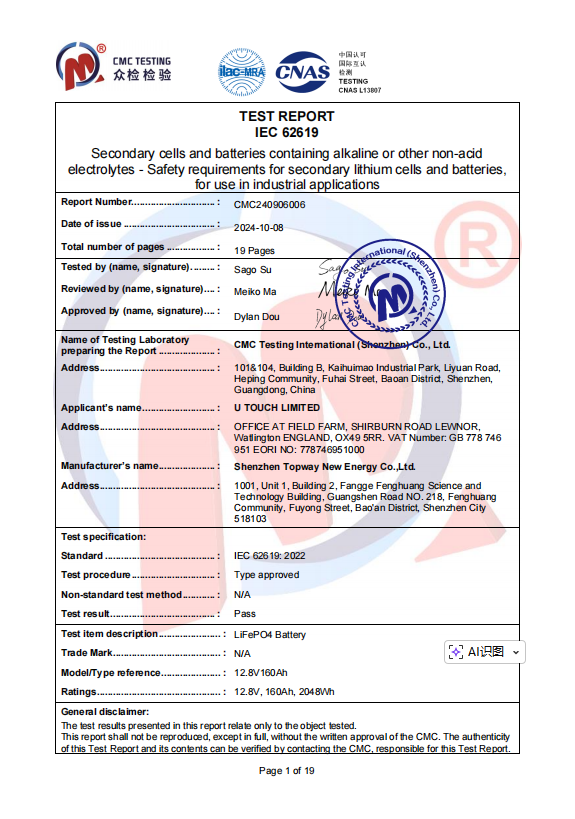
This is non-negotiable. Your energy storage battery system must have international safety certifications. Always verify that the battery has passed rigorous tests like UL 1642, UL 2054, IEC 62133-2, and IEC 62619. These ensure protection against overcharge, short circuit, and thermal runaway.
Companies like Topway (HCC) demonstrate their commitment to safety and quality by obtaining a comprehensive suite of certifications. For instance, their products hold UL, CE, RoHS, and IEC 62619:2022 certificates, which are critical for a reliable solar battery backup system. Their ISO 9001:2015 certification further assures consistent manufacturing quality.
6. Assess the Manufacturer's Expertise and Support
Choose a supplier with proven R&D capability and a track record. HCC, with its sales center and R&D base in Shenzhen, China, exemplifies a forward-thinking manufacturer. They are evolving from providing storage battery solutions to establishing their own advanced production lines. This vertical integration allows them to better serve complex and large-volume orders, ensuring a more efficient delivery experience for customers seeking a solar battery pack or a complete energy storage battery system.
Their products, including golf cart battery solutions and various lithium ion battery formats, are exported globally, demonstrating wide market acceptance. You can contact their team for a consultation:
HCC / Topway Contact:
Phone: +86 755 81461866
WhatsApp: +86 18682160604
Email: sales@hcctop.com
Website: http://www.hcctop.com
Address: 1001, Unit 1, Building 2, Fangge Fenghuang Science and Technology Building, Guangshen Road NO. 218, Fenghuang Community, Fuyong Street, Bao'an District, Shenzhen City.
7. Future-Proofing and Compatibility
Ensure the solar battery is compatible with your existing or planned solar inverter. Many modern batteries use communication protocols like CAN or RS485 for seamless integration. Also, consider if the system is scalable. Can you easily add another 48v lithium ion battery or 24v lithium ion battery module in the future if your energy needs grow?
With the energy storage market evolving rapidly, partnering with an innovative company is key. HCC was recognized as one of the "Top 100 Innovative Science and Technology Enterprises in the Guangdong-Hong Kong-Macao Greater Bay Area in 2025," highlighting its role in driving advancements in storage battery technology.
Final Checklist Before You Buy:
- Calculated daily energy usage and required solar battery backup capacity.
- Selected appropriate system voltage (24V, 36V, 48V).
- Chosen battery chemistry (LiFePO4 for reliability, watch sodium ion).
- Verified key specs: DoD, Efficiency, Cycle Life.
- Planned installation space for a wall mount battery or rack system.
- Confirmed essential safety certifications (UL, IEC, etc.).
- Researched manufacturer's reputation, like HCC, and support services.
- Confirmed inverter compatibility and system scalability.
By following this guide, you can confidently select a solar battery that provides safe, reliable, and cost-effective energy independence for your home for years to come.
Have Questions or Need More Details?
Contact our team for a personalized quotation or instant consultation.
Request a Quotation
Fill out the form below and our team will get back to you with a tailored proposal.
WhatsApp Direct Chat
Prefer to chat in real-time? Message us on WhatsApp for instant assistance & quick answers.
- Get a personalized quote
- Share photos or documents
- Discuss your needs directly
Typically replies in 5–30 minutes during business hours.