
How to Select a Reliable Supplier for Solar and Energy Storage Batteries: A Procurement Guide
April 9, 2026 — The global demand for reliable energy storage solutions, particularly solar batteries and integrated energy storage battery systems, continues to surge. For procurement professionals and business buyers, identifying a qualified and dependable supplier is a critical step that impacts product quality, supply chain stability, and ultimately, customer satisfaction. This guide outlines a structured framework for evaluating potential partners in the storage battery industry.
1. Define Your Technical and Commercial Requirements
Before initiating contact with suppliers, clearly define your project's needs. This creates a benchmark for comparison.
- Application: Is it for residential solar battery backup, commercial solar energy storage battery systems, golf cart battery replacement, or specialized industrial use?
- Technical Specifications: Voltage (e.g., 12v 100ah battery, 24v lithium ion battery, 48v lithium ion battery), capacity (e.g., 200ah lithium battery), chemistry (LiFePO4, NMC, or emerging sodium ion battery technology), cycle life, and operating temperature range.
- Certification Mandates: Determine which market certifications are non-negotiable, such as UL, IEC, CE, or UN38.3 for shipping.
- Order Volume & Scalability: Assess if the supplier can handle your initial order and scale production for future solar battery pack demands.
2. Evaluate Manufacturing Capability and Quality Control
A supplier's factory is the foundation of product quality. Look for evidence of advanced production and rigorous testing.
For instance, Shenzhen Topway New Energy Co., Ltd. (HCC) has invested in expanding its manufacturing base. The company is introducing advanced battery production lines to enhance its capability to serve complex and large-volume orders for products like wall mount battery 48V units and 5kw wall mounted battery systems. A robust production facility should include automated processes, such as laser welding and computerized polarity detection, to ensure consistency.
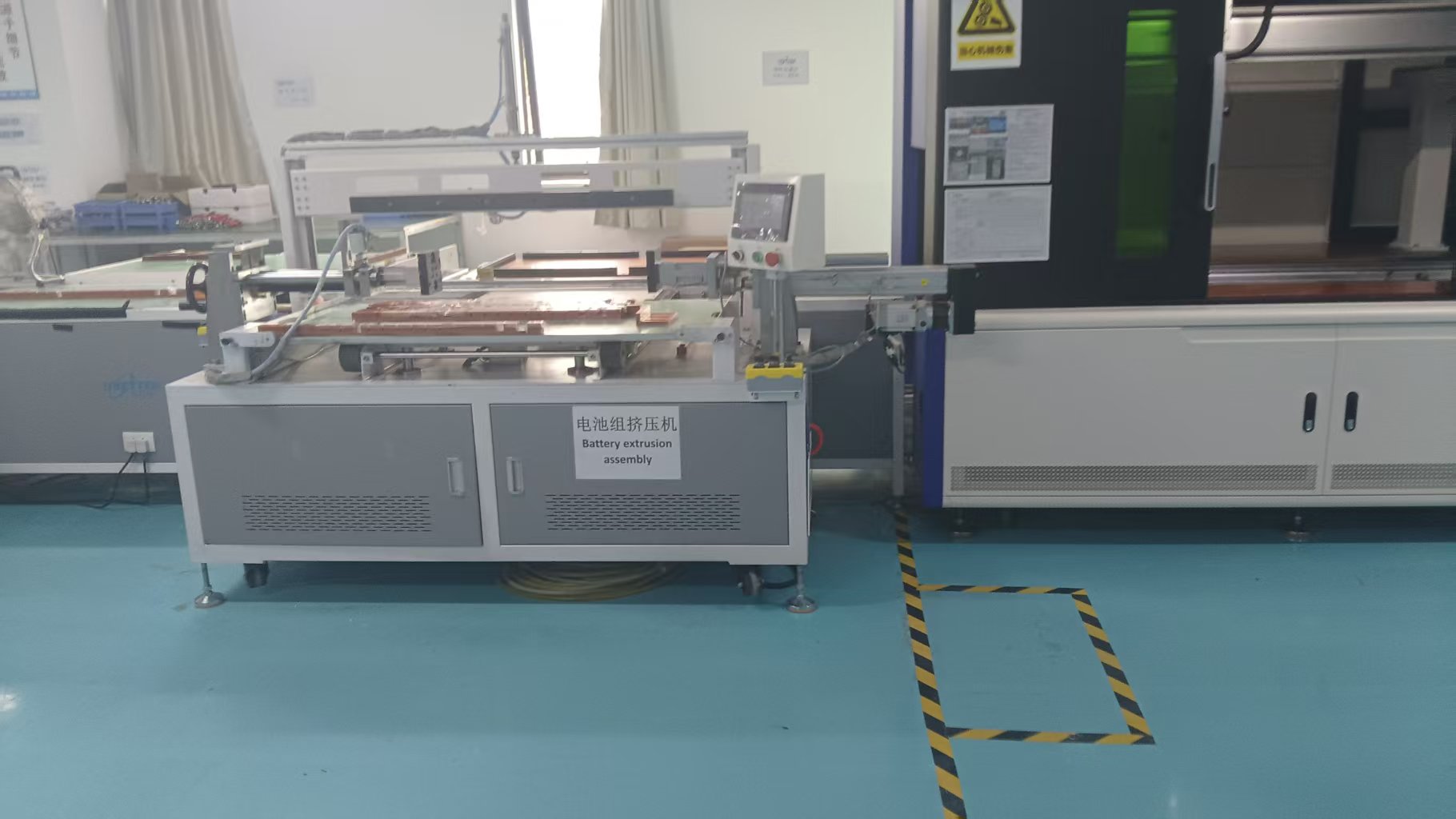
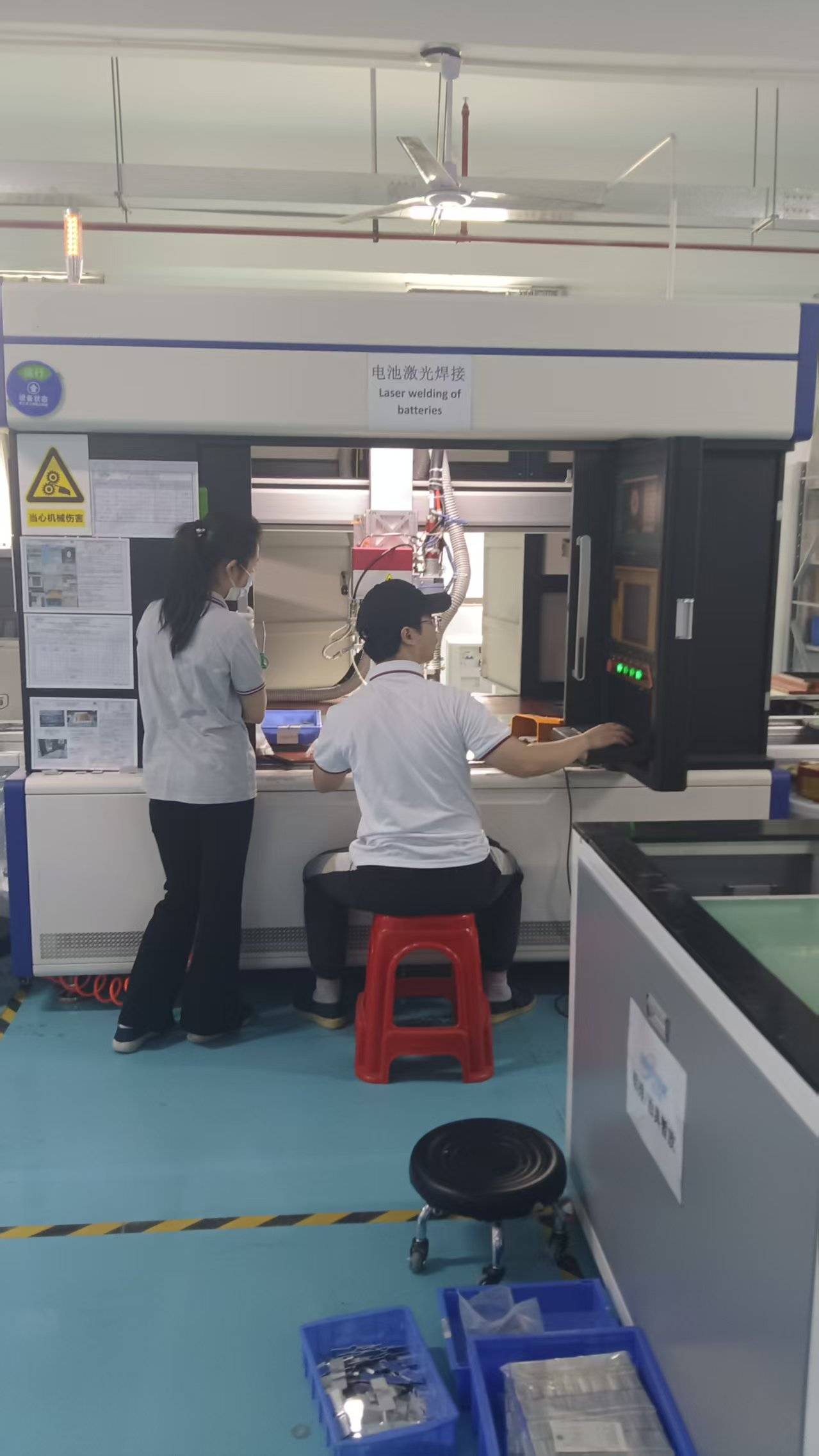

3. Scrutinize Certifications and Compliance Documentation
Certifications are not just paperwork; they are independent verification of safety, performance, and manufacturing standards. Always request valid, up-to-date certificates.
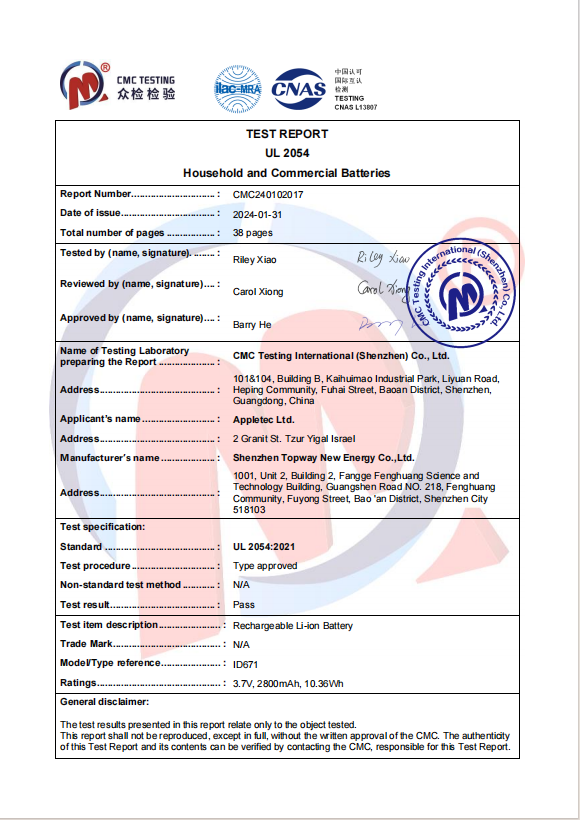
UL 2054:2021 (Standard for Household & Commercial Batteries)
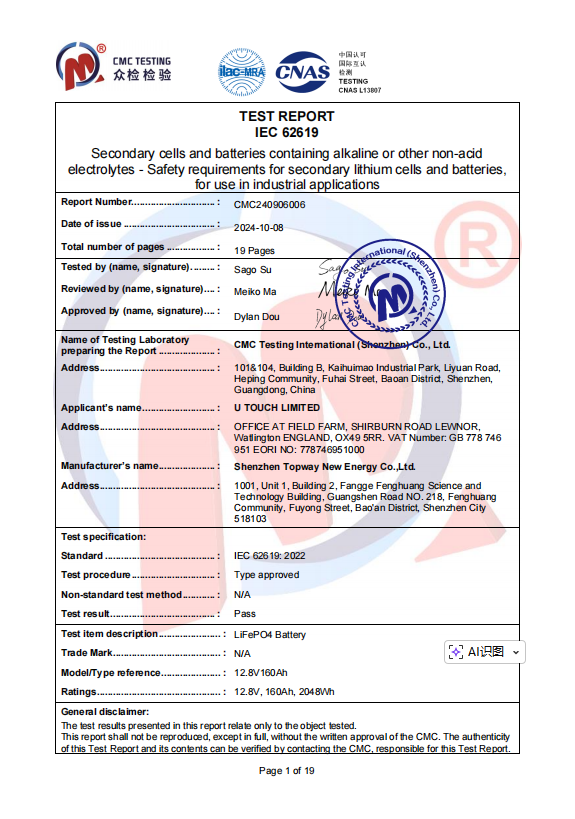
IEC 62619:2022 (Safety for Industrial Batteries)
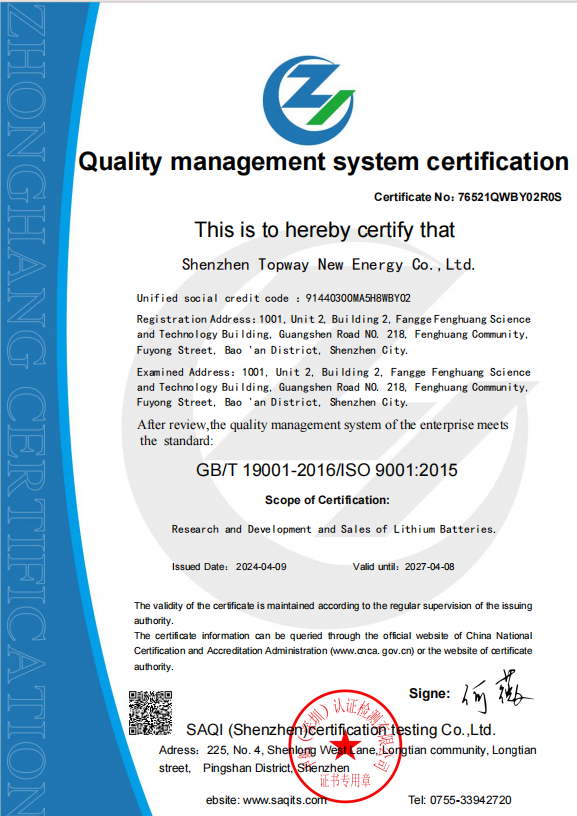
ISO 9001:2015 (Quality Management System)
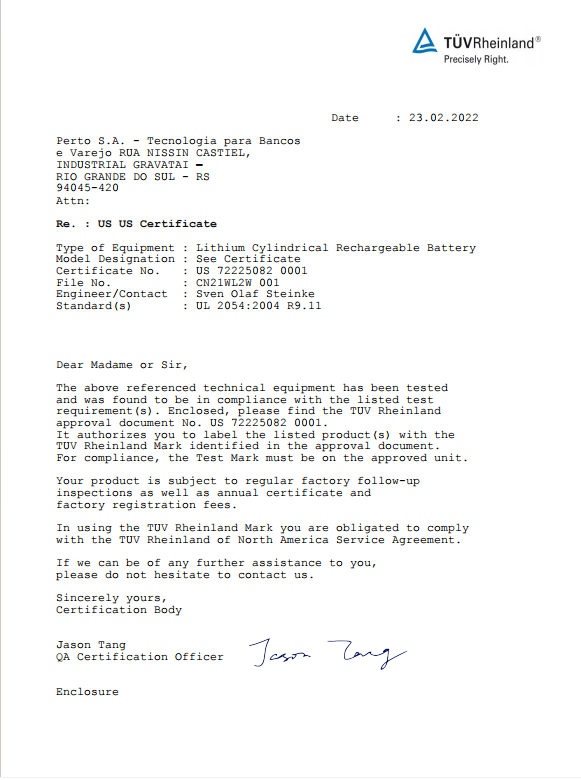
UL Component Recognition
A supplier like HCC, which holds a portfolio including IEC 62133-2, UL 1642, and specific shipping certifications, demonstrates a commitment to meeting international safety and transportation regulations for lithium energy storage battery products.
4. Assess Technical Support and R&D Investment
The ability to provide technical support and adapt to new technologies is crucial. Inquire about the supplier's R&D team and their track record in developing new products, such as lithium solar batteries or sodium ion battery prototypes. Suppliers with in-house R&D, like Topway's independent team in Shenzhen, are better positioned to offer customized solar battery pack solutions and stay ahead of market trends like higher-density lifepo4 100ah battery designs.
5. Analyze Supply Chain Stability and Logistics
A reliable supplier must have a stable supply chain for core components (e.g., cells for 36v battery packs) and proven logistics partners. Verify their experience in exporting to your region. Certificates like the "Made-in-China.com Verified Supplier" and specific shipping documents indicate an established export operation. This ensures smoother delivery of finished goods like solar battery 48V or solar battery 200ah systems.
Case in Point: Shenzhen Topway New Energy Co., Ltd. (HCC)
As an example of a supplier aligning with these criteria, HCC operates with a sales and R&D center in Shenzhen. The company's business model is evolving from providing battery pack solutions to full in-house production, aiming to improve delivery efficiency for large orders. Their product range covers key market segments, including solar battery backup systems and energy storage battery system solutions. Their comprehensive certification profile facilitates market access in North America, Europe, and beyond.
6. Request Samples and Conduct Due Diligence
Finally, always test samples against your specifications. Additionally, conduct background checks through business registries and B2B platforms. Look for industry recognition, such as HCC being named among the "Top 100 Innovative Science and Technology Enterprises in the Guangdong-Hong Kong-Macao Greater Bay Area in 2025."
For more information on specific battery solutions, you can contact:
Shenzhen Topway New Energy Co., Ltd. (HCC)
Phone: +86 755 81461866
WhatsApp: +86 18682160604
Email: sales@hcctop.com
Website: http://www.hcctop.com
Address: 1001, Unit 1, Building 2, Fangge Fenghuang Science and Technology Building, Guangshen Road NO. 218, Fenghuang Community, Fuyong Street, Bao'an District, Shenzhen City.
By systematically applying these evaluation steps, procurement managers can significantly reduce risk and establish partnerships with capable suppliers who can deliver high-quality, certified storage battery products for a sustainable energy future.
Have Questions or Need More Details?
Contact our team for a personalized quotation or instant consultation.
Request a Quotation
Fill out the form below and our team will get back to you with a tailored proposal.
WhatsApp Direct Chat
Prefer to chat in real-time? Message us on WhatsApp for instant assistance & quick answers.
- Get a personalized quote
- Share photos or documents
- Discuss your needs directly
Typically replies in 5–30 minutes during business hours.