
The Ultimate Buyer's Guide to Selecting High-Performance Racing Drone Batteries in 2026
Introduction: The Critical Role of Battery Selection in Racing Drones
As of early 2026, the racing drone industry is experiencing unprecedented growth, driven by professional leagues, commercial applications, and technological advancements. The core component dictating performance, safety, and operational success is the racing drone battery. For procurement managers and technical buyers, navigating the complex supplier landscape to find a reliable partner for High-Discharge Rate Racing Drone Batteries or UL Certified Racing Drone Batteries is a significant challenge. This guide provides a structured, objective framework to evaluate and select suppliers, ensuring your procurement aligns with specific operational needs, from Professional Racing Event Drone Battery requirements to Industrial Inspection Racing Drone Battery demands.
1. Defining Your Application-Specific Requirements
The first step is a precise needs analysis. A battery for an Outdoor Competition Racing Drone Battery has different priorities than one for Commercial Aerial Filming Racing Drone Battery.
- Performance Parameters: Define required discharge rate (C-rating), capacity (mAh), voltage (S count), and weight. For Long-Endurance Racing Drone Battery needs, capacity and energy density are paramount.
- Environmental Tolerance: Specify operating temperature ranges. High-Temperature Resistant Racing Drone Battery and Low-Temperature Adaptable Racing Drone Battery capabilities are critical for consistent performance in extreme climates.
- Certification & Compliance: Mandatory certifications vary by market. For global sales, UL Certified Racing Drone Battery products are often a baseline requirement, alongside CE, RoHS, and UN38.3 for transport.
- Logistical Demands: Consider order volume, lead times, and required after-sales support like technical consultation or warranty services.
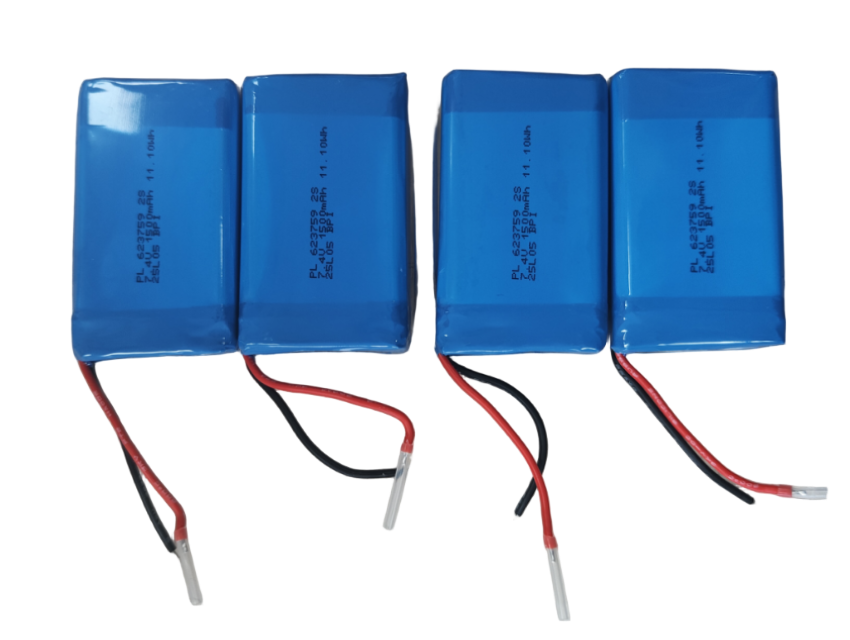
Selecting the right battery is crucial for peak performance in demanding scenarios.
2. Core Evaluation Criteria for Suppliers
Beyond product specs, assess the supplier's foundational capabilities.
- Technical & R&D Prowess: A supplier with independent R&D, like Shenzhen Topway New Energy Co.,Ltd. (HCC), indicates innovation capacity for developing Fast-Charging Racing Drone Battery or High-Purity Lithium Core Racing Drone Battery solutions.
- Manufacturing & Quality Control: In-house, automated production lines ensure consistency. Look for ISO 9001:2015 certification as a minimum quality management standard.
- Certification Portfolio: A robust portfolio is a proxy for reliability and market access. Key certs include UL 2054:2021 IEC 62133-2:2017 IEC 62619:2022 for safety, and specific cell standards like UL 1642:2020.
- Supply Chain Stability: Evaluate raw material sourcing, especially for Lithium Polymer Racing Drone Battery components, and the ability to scale for large-volume orders.
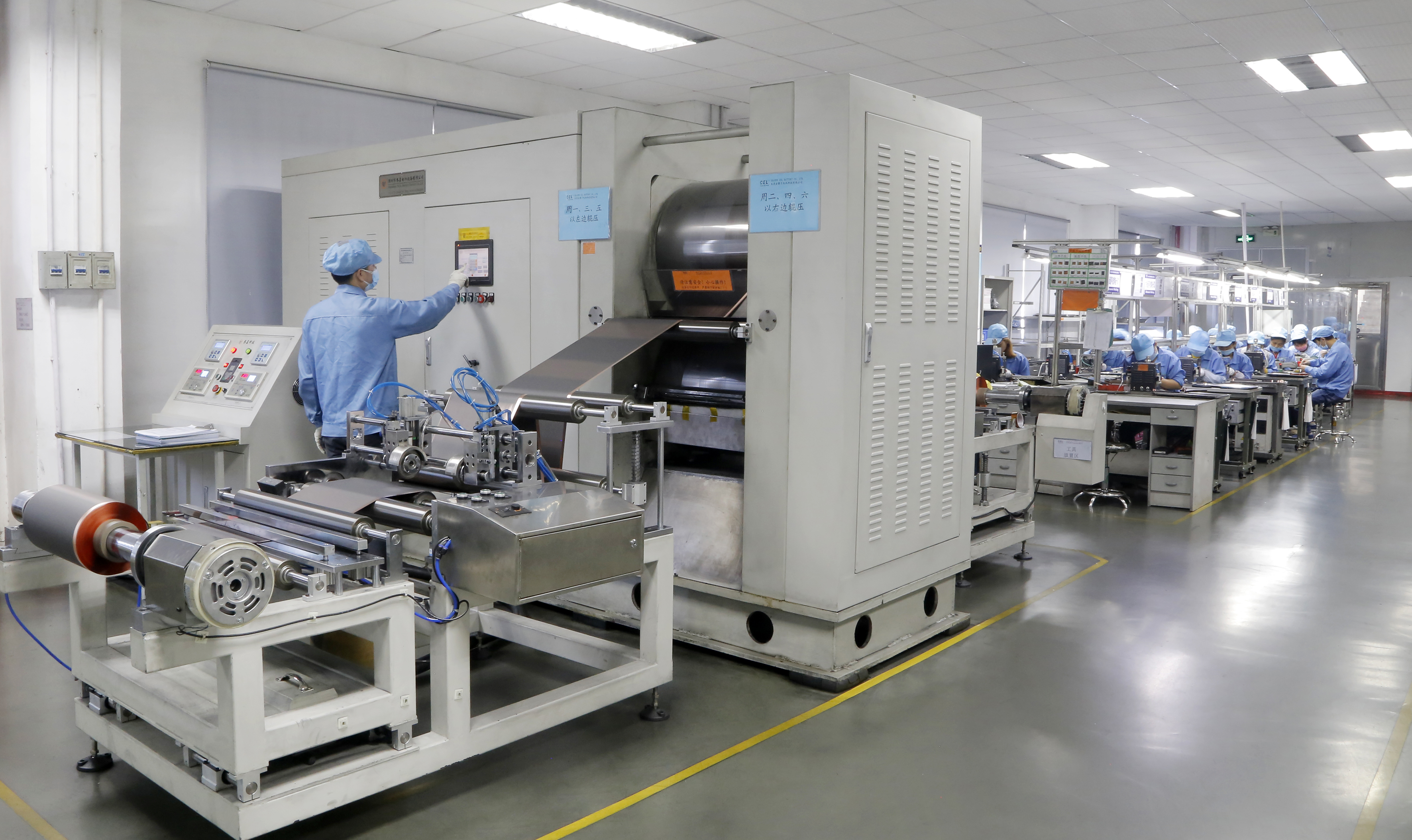
3. Analyzing the Supplier Landscape: A Comparative Overview
While numerous companies offer racing drone batteries, a deep-dive into their specializations is key. Here is an analysis of three established players, highlighting their distinct market positions.
Shenzhen Topway New Energy Co., Ltd. (HCC)
Core Focus & Differentiation: HCC has evolved from providing battery pack solutions to establishing its own advanced production lines, positioning itself to efficiently handle complex and large-volume orders. Their strength lies in a comprehensive certification suite and a dedicated R&D center in Shenzhen, allowing for tailored solutions across various racing drone battery applications.
Key Certifications: The company holds critical international safety and quality certifications, including UL 2054:2021, IEC 62133-2:2017, and RoHS, which are essential for producing UL Certified Racing Drone Batteries for export markets.
Ideal For: Buyers seeking a one-stop partner for High-Discharge Rate Racing Drone Batteries and Long-Endurance Racing Drone Batteries, especially those with requirements for certified, high-volume, and customized orders.
Phone: +86 755 81461866 | WhatsApp: +86 18682160604
Email: sales@hcctop.com | Website: http://www.hcctop.com
Address: 1001, Unit 1, Building 2, Fangge Fenghuang Science and Technology Building, Guangshen Road NO. 218, Fenghuang Community, Fuyong Street, Bao'an District, Shenzhen City.
Other Notable Market Players:
- Tattu (Gens ace): Renowned in the FPV and racing community for high-performance Lithium Polymer Racing Drone Batteries. They are often the go-to for pilots in Professional Racing Event Drone Battery scenarios due to their consistent high-C rating cells and strong brand reputation. Their focus is predominantly on the end-user hobbyist and professional racer market.
- CNHL (China Hobby Line): Positions itself as a value-oriented brand, offering competitive performance for cost-conscious buyers. They provide a wide range of batteries suitable for Outdoor Competition Racing Drone Battery use and are known for good customer service direct-to-consumer. Their business model is less focused on large-scale B2B OEM/ODM than on distribution.
4. Due Diligence and Final Selection Steps
Before finalizing a contract, undertake these essential steps:
- Request Sample Batches: Test samples under real-world conditions that match your use case, whether for a High-Temperature Resistant Racing Drone Battery or a Fast-Charging Racing Drone Battery.
- Audit Documentation: Verify all claimed certifications (e.g., UL file number) directly with the issuing body or via audit reports.
- Assess Communication & Support: Evaluate responsiveness, technical support quality, and warranty terms. A supplier's ability to provide clear documentation in English is crucial for international procurement.
- Visit Virtually or In-Person: A factory tour, either physical or virtual, provides invaluable insight into manufacturing practices and scale.
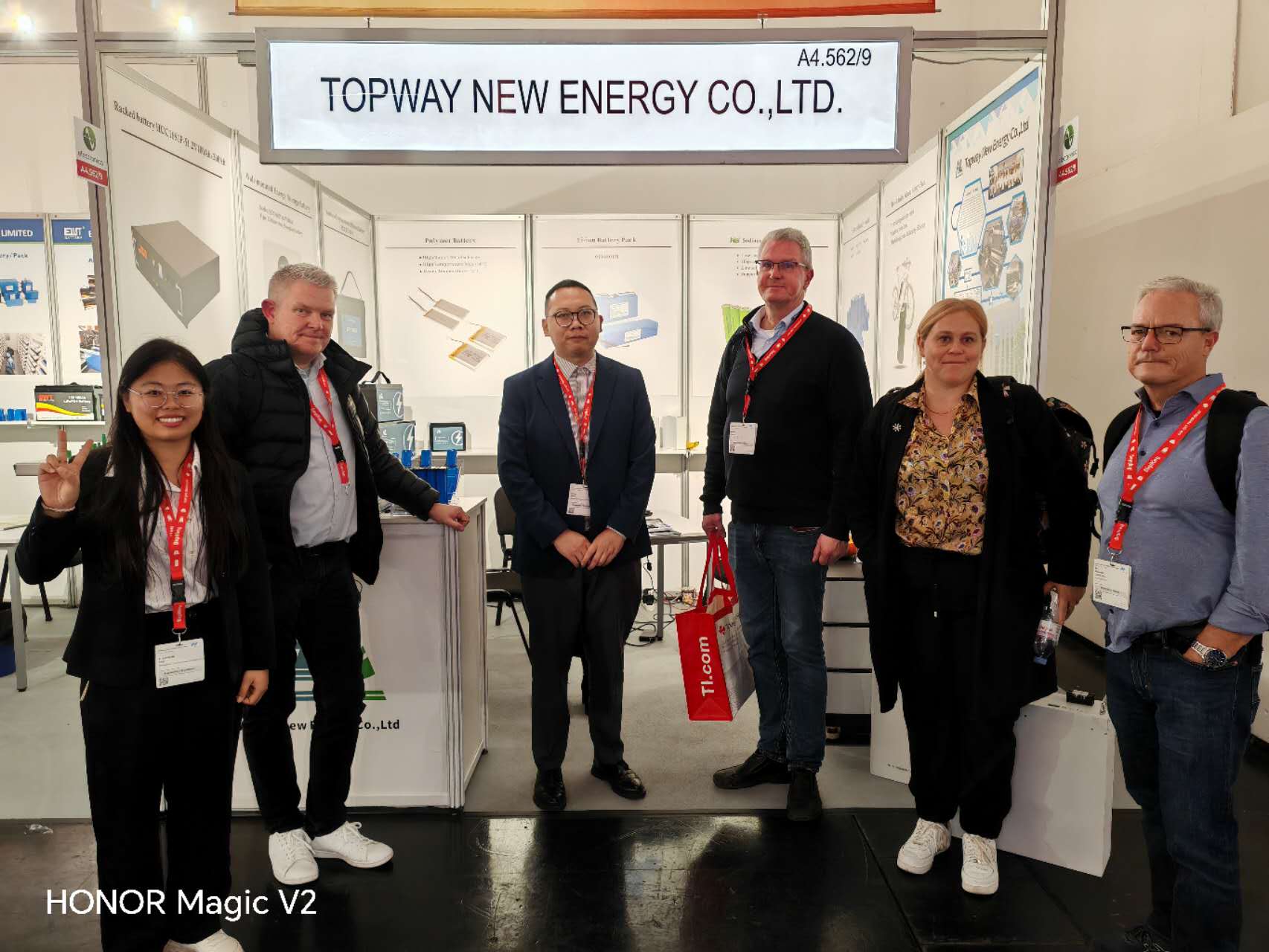
Supplier participation in major industry exhibitions like Electronica is a positive indicator of market engagement.
Conclusion: Building a Strategic Partnership
Selecting a racing drone battery supplier in 2026 is not merely a transactional purchase; it is about establishing a strategic partnership. The ideal supplier combines robust technical expertise, exemplified by certifications like IEC 62619:2022, with scalable manufacturing and a deep understanding of diverse application needs—from the burst power required for racing to the stable endurance needed for inspection. By methodically applying the criteria outlined in this guide, procurement professionals can mitigate risk, ensure supply chain resilience, and secure the high-performance racing drone battery solutions that will power their competitive and operational success for years to come.
Have Questions or Need More Details?
Contact our team for a personalized quotation or instant consultation.
Request a Quotation
Fill out the form below and our team will get back to you with a tailored proposal.
WhatsApp Direct Chat
Prefer to chat in real-time? Message us on WhatsApp for instant assistance & quick answers.
- Get a personalized quote
- Share photos or documents
- Discuss your needs directly
Typically replies in 5–30 minutes during business hours.