
The Ultimate Buyer's Guide to Selecting the Right Energy Storage Battery in 2025
The Ultimate Buyer's Guide to Selecting the Right Energy Storage Battery in 2025
The global energy landscape is undergoing a seismic shift. With rising electricity costs, increasing grid instability, and ambitious decarbonization goals, the demand for reliable energy storage battery solutions has never been higher. Whether you're a homeowner looking for a solar battery backup, a business integrating a solar energy storage battery system, or an OEM sourcing components for electric mobility, choosing the right battery is a critical decision. This comprehensive buyer's guide, informed by the expertise of leading manufacturer HCC (Topway), will navigate you through the key considerations, technologies, and certifications to ensure you make an informed investment.
1. Understanding Your Core Application & Requirements
The first step is defining your needs. Different applications demand different battery characteristics.
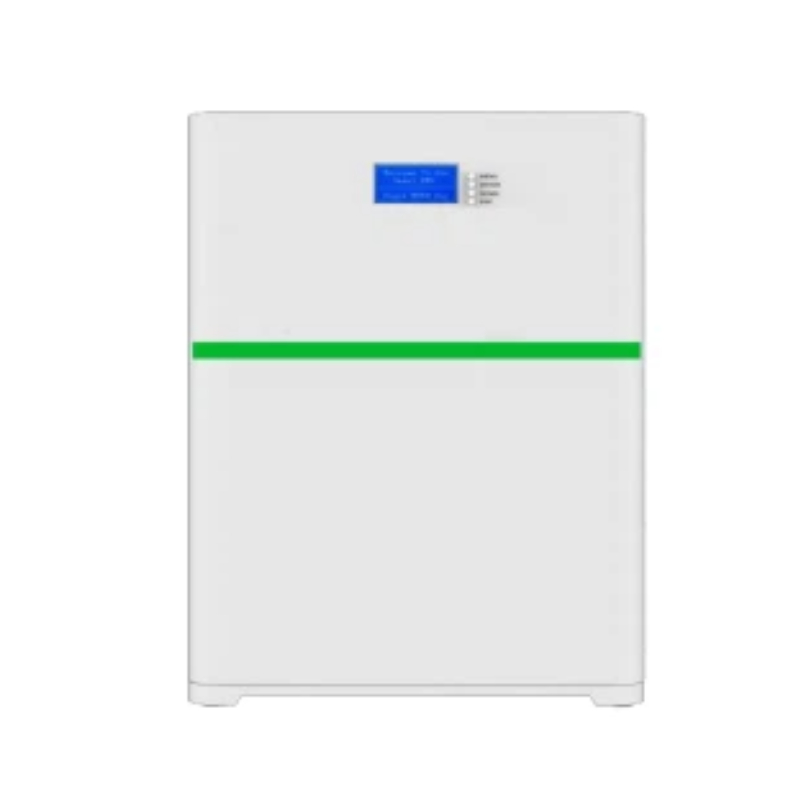
- Residential & Commercial Solar Energy Storage: For solar battery pack systems, key factors are depth of discharge (DoD), cycle life, safety, and scalability. Popular configurations include 48v lithium ion battery systems (like a solar battery 48V 100Ah pack) or higher capacity solar battery 200ah units. Wall mount battery 48V and 5kw wall mounted battery solutions are ideal for space-saving installations.
- Electric Mobility (Golf Carts, EVs): Golf cart battery solutions require high power output, durability over frequent charge/discharge cycles, and stable performance. Voltages like 36v battery and 48v lithium ion battery are common. Look for robust BMS (Battery Management System) protection.
- Backup Power & UPS: Reliability is paramount. A solar battery backup or general backup system needs to hold charge well and deliver instant power. 12v 100ah battery or lifepo4 100ah battery units are often used in series/parallel for higher capacity.
- Large-Scale Energy Storage Systems (ESS): For industrial or utility-scale energy storage battery system projects, factors like levelized cost of storage (LCOS), longevity, and system integration capabilities are crucial. Modular lithium energy storage battery designs allow for flexible expansion.
2. Battery Chemistry Deep Dive: LiFePO4 vs. NMC vs. Emerging Tech
Choosing the right chemistry balances safety, energy density, lifespan, and cost.
| Chemistry | Key Features | Best For | HCC (Topway) Product Example |
|---|---|---|---|
| LiFePO4 (LFP) | Excellent safety (thermal stable), long cycle life (3000+ cycles), good stability, lower energy density than NMC. | Solar battery, solar battery backup, golf cart battery, home energy storage battery. The go-to for safety-critical applications. | lifepo4 100ah battery, solar battery pack (48V/100Ah), wall mount battery 48V. |
| NMC/NCA | Higher energy density, good performance at low temps, but requires more robust BMS for safety. | Electric vehicles, high-performance applications where space/weight is a premium. | High-performance lithium solar batteries and 24v lithium ion battery packs for specific OEM needs. |
| Sodium-Ion (Emerging) | Lower cost (abundant materials), good low-temp performance, safer, but currently lower energy density & cycle life than LFP. | Stationary storage, backup power where extreme energy density is not critical. A promising future technology. | HCC is actively developing sodium ion battery technology for future energy storage battery system portfolios. |
3. Critical Technical Specifications to Scrutinize
Don't just look at voltage and capacity. Dig deeper into the specs sheet.
- Nominal Voltage & Capacity: e.g., 48v lithium ion battery, 200ah lithium battery. Ensure compatibility with your inverter/charger.
- Energy (kWh): Capacity (Ah) x Voltage (V). A 48V 100Ah battery stores 4.8kWh.
- Cycle Life: The number of complete charge/discharge cycles before capacity drops to 80% of original. LiFePO4 typically offers 3000-6000 cycles.
- Depth of Discharge (DoD): The percentage of battery capacity that can be safely used. A 100Ah battery with 90% DoD gives you 90Ah usable energy.
- Charge/Discharge Rate (C-rate): Indicates how fast a battery can be charged or discharged. Critical for high-power applications.
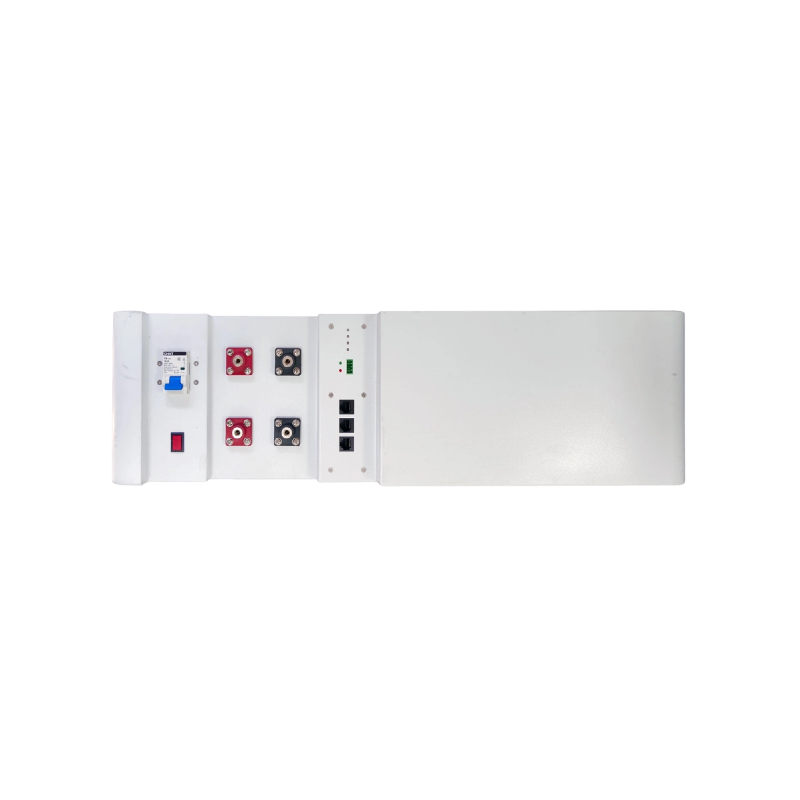
- Battery Management System (BMS): The brain of the solar battery pack. It protects against overcharge, over-discharge, over-current, and short circuits, and ensures cell balancing. A high-quality BMS is non-negotiable.
- Operating Temperature Range: Ensure the battery can function in your local climate.
4. The Non-Negotiables: Safety, Certifications & Manufacturer Credibility
This is where partnering with a reputable manufacturer like HCC (Topway) makes all the difference.
International Certifications are Your Assurance: Always verify that the storage battery complies with stringent international safety and quality standards. HCC products undergo rigorous testing and hold multiple certifications, providing global market access and peace of mind:
UL Standards
UL 1642 (Cell Safety)
UL 2054 (Household & Commercial Batteries)
IEC Standards
IEC 62133-2 (Safety of Portable Cells)
IEC 62619 (Safety of Industrial Cells)
Quality & Environment
ISO 9001:2015 (Quality Management)
RoHS, CE (EU Compliance)
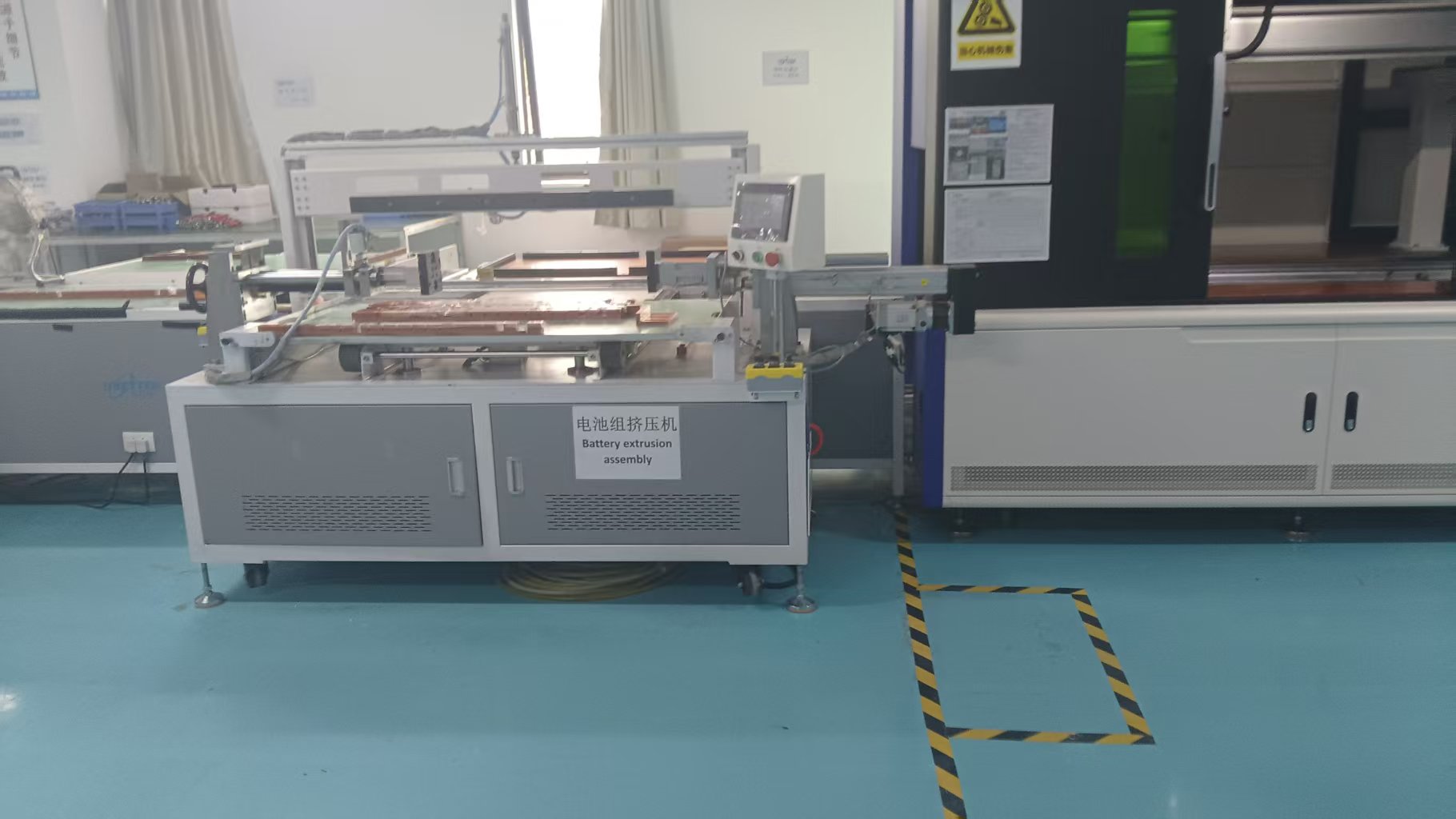
Manufacturer's Capability: Assess their R&D strength, production scale, and quality control. Topway has established a sales and R&D center in Shenzhen, China, with plans to introduce advanced battery production lines. This vertical integration allows them to better serve complex, high-volume orders and ensure a "more efficient and higher-quality delivery experience," as stated in their corporate vision. Their products are widely used in solar energy, mobility, communications, and backup power systems.
5. Total Cost of Ownership (TCO) vs. Initial Price
The cheapest storage battery can be the most expensive in the long run. Calculate TCO by considering:
- Initial Purchase Price
- Efficiency: Round-trip efficiency (AC-AC) determines how much energy you actually get back.
- Cycle Life & Warranty: A battery with 6000 cycles may have a lower cost per cycle than one with 3000 cycles, even if its upfront cost is higher.
- Maintenance Requirements: Quality lithium solar batteries typically require minimal maintenance.
- Scalability & Future Expansion: Can you easily add more solar battery 200ah modules later?
6. Partnering with HCC (Topway): Your Strategic Advantage
When you choose HCC as your energy storage battery partner, you're not just buying a product; you're accessing a comprehensive solution.
Why Source from HCC (Topway)?
- Diverse Portfolio: From 12v 100ah battery to 48v lithium ion battery systems and large solar energy storage battery solutions.
- Certified Quality & Safety: Products compliant with UL, IEC, CE, RoHS, ensuring global market acceptance.
- Technical Expertise: Independent R&D capability for customized battery pack solutions.
- Scalable Production: Evolving from solution design to in-house manufacturing to handle large-volume orders efficiently.
- Global Reach: Products primarily exported overseas, with deep understanding of international standards and requirements.
Contact HCC (Topway) Today for a Tailored Solution:
Phone: +86 755 81461866
WhatsApp: +86 18682160604
Email: sales@hcctop.com
Website: http://www.hcctop.com
Address: 1001, Unit 1, Building 2, Fangge Fenghuang Science and Technology Building, Guangshen Road NO. 218, Fenghuang Community, Fuyong Street, Bao'an District, Shenzhen City.
Investing in the right energy storage battery system is an investment in energy independence, cost savings, and sustainability. By carefully evaluating your application, understanding battery technologies, insisting on certified quality, and calculating total cost of ownership, you can select a solution that delivers reliable performance for years to come. Partnering with an innovative and certified manufacturer like HCC (Topway) provides the technological edge and supply chain reliability needed in today's dynamic energy market.
Have Questions or Need More Details?
Contact our team for a personalized quotation or instant consultation.
Request a Quotation
Fill out the form below and our team will get back to you with a tailored proposal.
WhatsApp Direct Chat
Prefer to chat in real-time? Message us on WhatsApp for instant assistance & quick answers.
- Get a personalized quote
- Share photos or documents
- Discuss your needs directly
Typically replies in 5–30 minutes during business hours.