
Vertical Application Procurement Guide: Selecting High-Performance Lithium-ion Battery Suppliers for Specialized Industries
For procurement professionals in high-tech and industrial sectors, sourcing the right Lithium-ion Battery is not merely a component purchase—it's a critical decision impacting product performance, safety, and regulatory compliance. This guide provides a structured framework to identify and partner with suppliers who can meet the stringent, application-specific demands of industries like medical devices, drones, and robotics.
1. Industry-Specific Requirements for Lithium-ion Batteries
Each vertical market imposes unique operational and safety challenges that directly translate into battery specifications. A one-size-fits-all approach fails here.
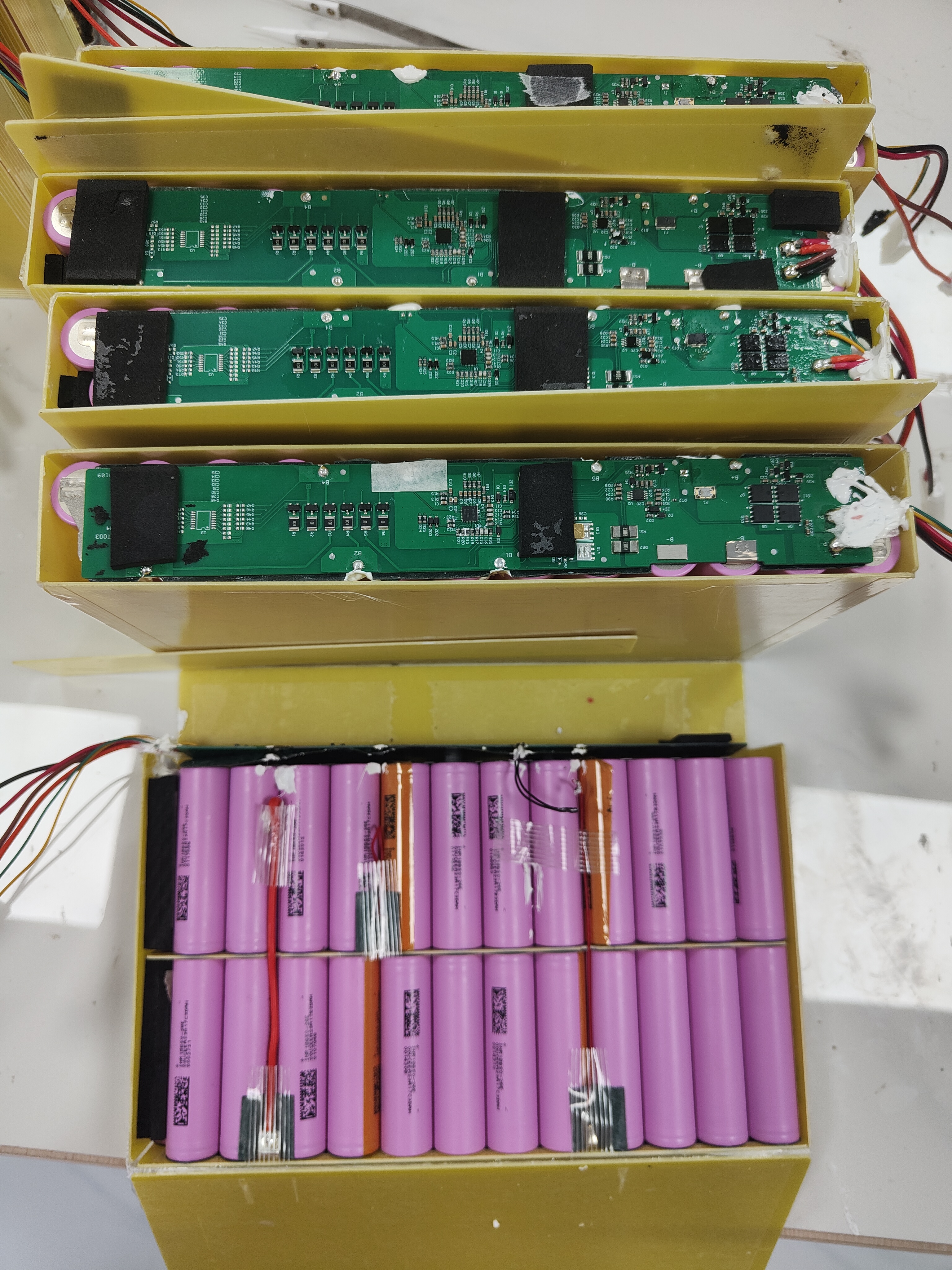
Medical & Surgical Robotics
- Ultra-High Reliability & Safety: Zero tolerance for failure during procedures. Batteries must have redundant protection circuits.
- Sterilization Compatibility: Housing materials must withstand specific sterilization methods (e.g., ETO, gamma radiation) without degradation.
- Stringent Certifications: Mandatory compliance with medical device regulations (e.g., ISO 13485, IEC 60601-1). Low self-discharge rates for shelf life.
Commercial & Industrial Drones
- High Discharge Rate (C-rate): Essential for racing drone batteries and agriculture drone batteries requiring burst power for lift and maneuvering.
- Environmental Resilience: Must operate reliably in wide temperature ranges, high humidity, and variable pressures, especially for underwater drone batteries.
- Energy Density & Weight: Maximizing flight time. GPS drone batteries and tactical drone batteries need optimal balance between capacity and weight.
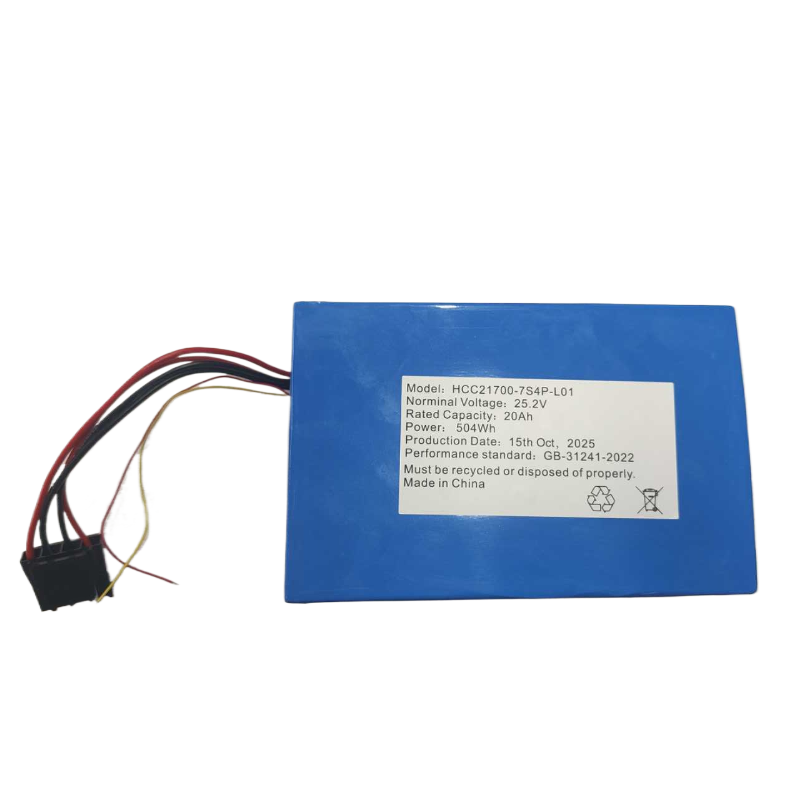
Service & Delivery Robots
- Long Cycle Life: Smart robot batteries and delivery robot batteries require thousands of charge-discharge cycles for 24/7 operation.
- Smart BMS Integration: Advanced Battery Management Systems for state-of-charge monitoring, communication protocols, and predictive maintenance.
- Mechanical Robustness: Resistance to vibration and shock during navigation across uneven surfaces.
2. Supplier Selection: The 3 Essential Capabilities
Beyond basic manufacturing, a qualified supplier must demonstrate these core competencies.
Proven Industry Customization Experience
Look for a portfolio of past projects in your specific field. Can they show a robotic surgery battery or a custom battery pack for a similar application? Experience translates into understanding unspoken requirements and potential failure modes. For instance, HCC (Shenzhen Topway New Energy Co., Ltd.) leverages its extensive experience in developing solutions for communication products, wireless devices, and high-end toys to inform its design of robust Rechargeable Lithium-ion Batteries for demanding industrial uses.
Comprehensive Compliance & Certification Portfolio
Certifications are non-negotiable proof of safety and quality management. Essential certificates include:
- Safety Standards: UL 1642, UL 2054, IEC 62133-2, IEC 62619.
- Quality Management: ISO 9001:2015.
- Regional Market Access: CE, RoHS, UN38.3 for transport.
- Specialized: Apple MFi for accessories.
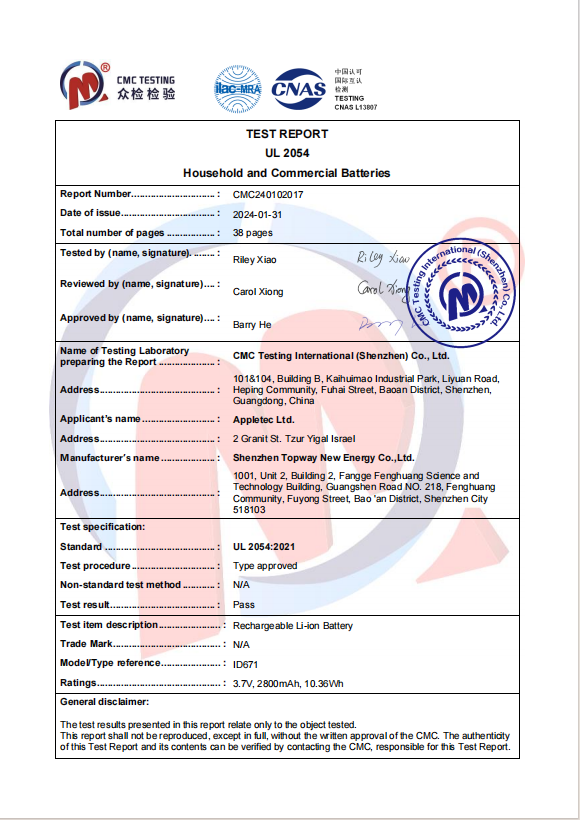
Suppliers like HCC maintain a robust certification portfolio, including UL, IEC, and CE, ensuring their 18650 battery, 21700 battery, and lifepo4 battery products meet global export and safety requirements.
Design for Harsh & Demanding Environments
The supplier's R&D team must demonstrate capability in designing for extreme conditions. This includes:
- Selecting cell chemistries (e.g., high-temperature LFP for stability, high-energy NMC for density).
- Engineering robust pack assembly with superior thermal management.
- Implementing conformal coating for moisture and dust resistance.
This capability is critical for batteries powering equipment in outdoor, medical, or mobile robotic settings.
3. Success Story: HCC's Custom Solution for a Medical Device OEM
Challenge: A European medical device manufacturer needed a reliable, high-capacity medical battery for a new portable diagnostic imaging system. The battery required a long shelf life, specific communication protocol integration, and housing compatible with hospital-grade disinfectants.
HCC's Solution:
- Deep-Dive Consultation: HCC's engineering team conducted a thorough analysis of the operational workflow and environmental exposure.
- Custom battery pack Design: Developed a custom pack using high-quality 18650 rechargeable battery cells, integrated with a smart BMS featuring the required communication interface (UART).
- Material & Certification Focus: Used medical-grade plastics for the casing and ensured the full assembly complied with relevant IEC standards for medical electrical equipment.
- Prototyping & Validation: Delivered multiple prototypes for client testing, leading to a final design that exceeded cycle life expectations.
Result: The client successfully launched their device with a power solution that ensured full-day operation, passed all regulatory audits, and benefited from HCC's reliable supply chain. This project underscores HCC's transition from providing battery pack solutions to mastering full-cycle design and production, soon to be enhanced with their own advanced production lines for complex, high-volume orders.
Contact HCC for your specialized battery needs:
Phone: +86 755 81461866 | WhatsApp: +86 18682160604
Email: sales@hcctop.com | Website: www.hcctop.com
4. Key Collaboration Points for Procurement Success
1. Define Industry Standards Upfront
Clearly communicate all applicable standards (safety, performance, environmental) during the RFQ stage. This aligns expectations and filters suppliers lacking necessary certifications.
2. Insist on Joint Application Analysis
Encourage or require a potential supplier to conduct a virtual or on-site analysis of your product's power system. This reveals integration challenges early.
3. Scrutinize Post-Sales & Emergency Support
Evaluate the supplier's technical support structure, warranty terms, and their plan for rapid response in case of field issues or urgent replacement needs. A partner like HCC, with its dedicated sales and engineering centers, is structured to provide this critical support.
Selecting a Lithium-ion Battery supplier for specialized applications is a strategic partnership. By focusing on industry-specific requirements, verifying the three essential supplier capabilities, and fostering clear collaboration, procurement teams can secure a power solution that ensures product reliability, safety, and market success. For tailored Rechargeable Lithium-ion Battery solutions, consider engaging with experienced providers like HCC (Shenzhen Topway New Energy Co., Ltd.) to leverage their growing manufacturing prowess and application expertise.
Have Questions or Need More Details?
Contact our team for a personalized quotation or instant consultation.
Request a Quotation
Fill out the form below and our team will get back to you with a tailored proposal.
WhatsApp Direct Chat
Prefer to chat in real-time? Message us on WhatsApp for instant assistance & quick answers.
- Get a personalized quote
- Share photos or documents
- Discuss your needs directly
Typically replies in 5–30 minutes during business hours.