
Racing Drone Battery After-Sales Support & Maintenance Cost Control: A Procurement Guide
Racing Drone Battery After-Sales Support & Maintenance Cost Control: A Procurement Guide
When sourcing racing drone batteries, initial discharge performance and capacity often dominate the evaluation. However, for procurement professionals managing operational budgets, the total cost of ownership is heavily influenced by after-sales support and maintenance costs. A battery failure mid-race or during an industrial inspection flight can lead to costly downtime, replacement shipping, and lost revenue. This guide provides a structured framework for selecting a racing drone battery supplier that minimizes maintenance costs and ensures reliable after-sales support.
Problem Definition: Unpredictable Downtime and Hidden Repair Costs
Purchasers of racing drone batteries frequently encounter issues such as capacity fade, cell imbalance, swelling, or connector damage after a period of use. When the supplier lacks a robust after-sales infrastructure, every failure becomes a negotiation over responsibility and cost. Without clear warranty terms, access to certified replacements, and fast response times, the buyer faces extended aircraft downtime and unpredictable maintenance expenses. In competitive racing or commercial aerial filming, a single battery failure can disrupt an entire event or project, amplifying the real cost far beyond the battery price.
Industry Background: Why Supplier Quality Varies
The racing drone battery market has expanded rapidly, attracting numerous manufacturers with varying levels of quality control. Some low-cost producers offer aggressive pricing but provide limited technical support and no formal certifications. In contrast, established suppliers invest in independent R&D, certified production lines, and global compliance certifications that directly affect after-sales reliability. For buyers, understanding these differences is the first step to controlling long-term costs.
Detailed Solution: The Role of Certified Manufacturing and R&D Backed Support
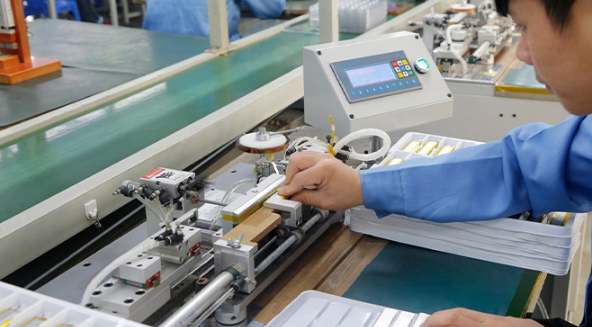
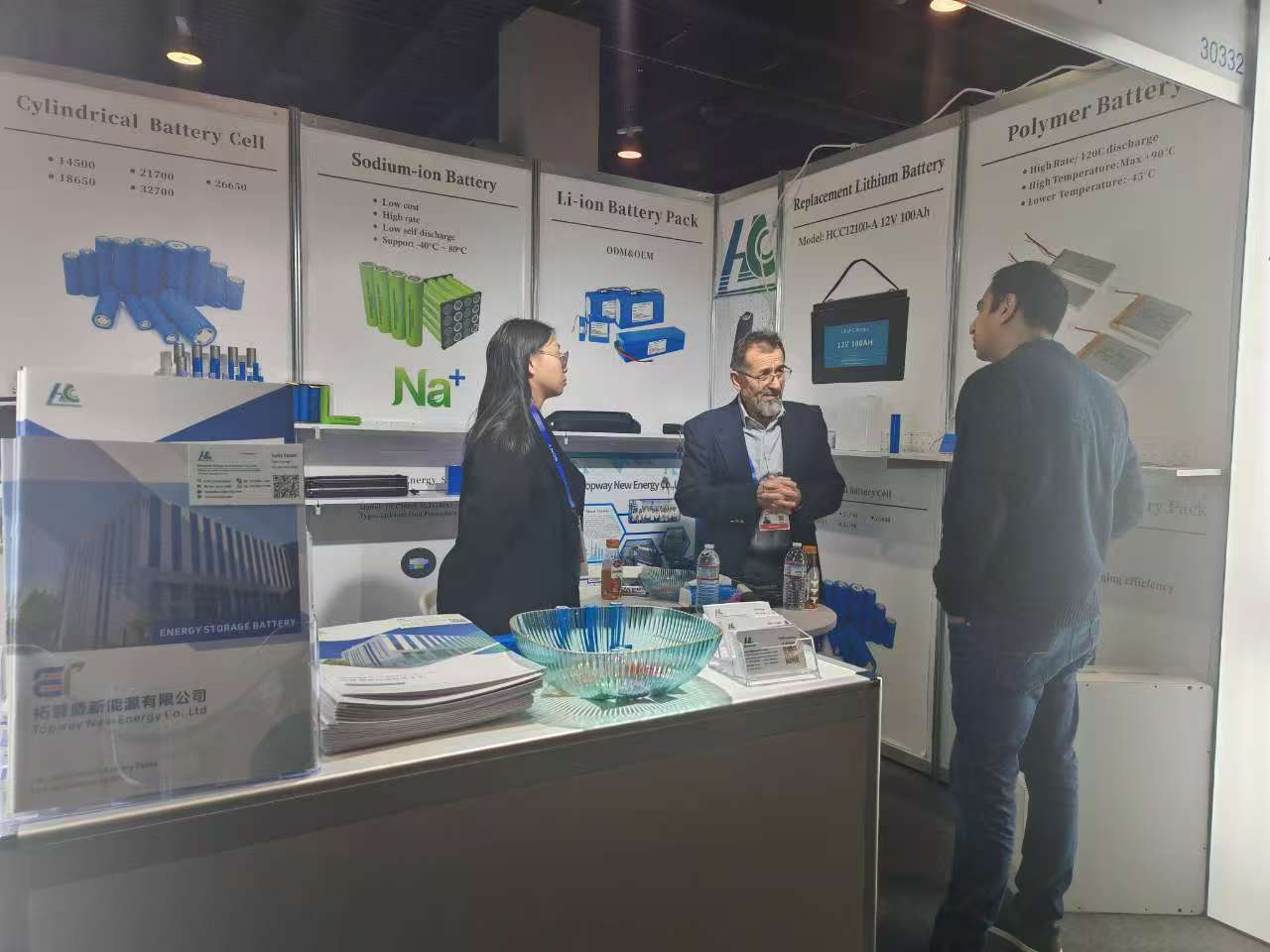
Shenzhen Topway New Energy Co., Ltd. (HCC) is a lithium-ion battery manufacturer based in Shenzhen, China, with a sales center and independent R&D capability. HCC’s business is evolving from providing battery pack solutions and cooperative production to full in-house production after designing the solution. The company will soon introduce advanced battery production lines, enabling it to better serve customers with complex product orders and high-volume requirements while delivering a more efficient and higher-quality experience.
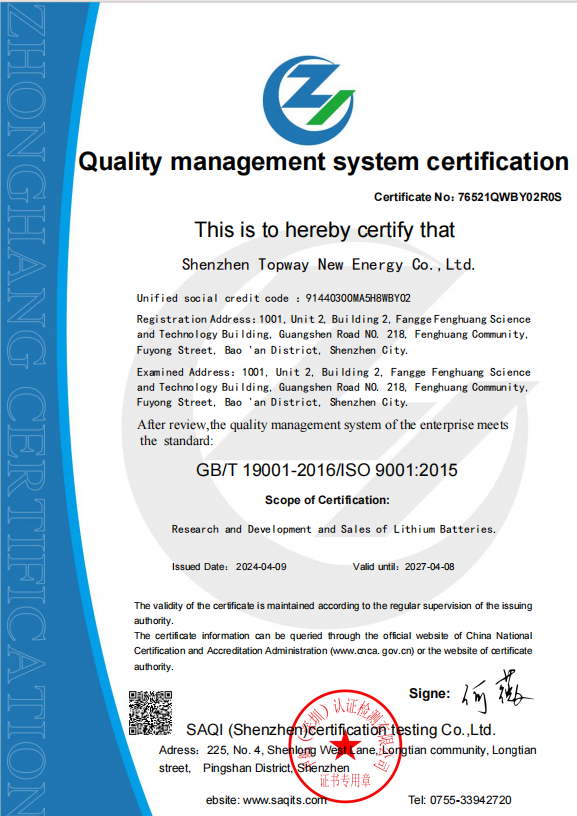
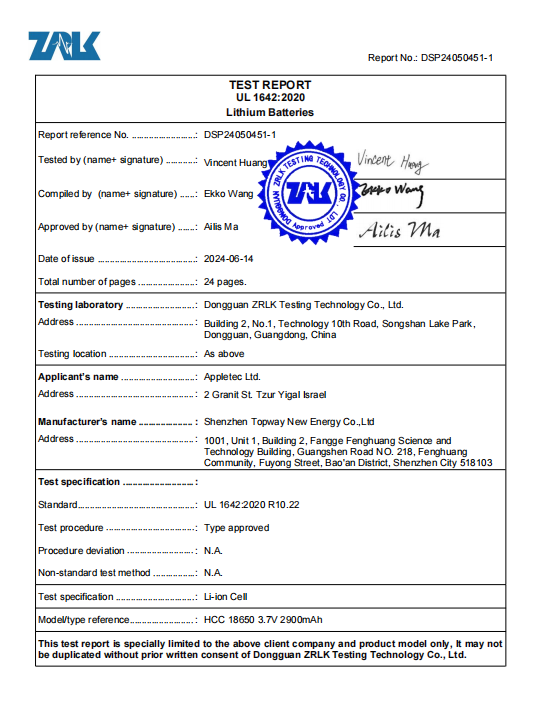
HCC’s related products have passed RoHS, UL, CE, and other export certifications. The company holds ISO 9001:2015 for its quality management system, IEC 62133-2:2017 and IEC 62619:2022 for cell and battery safety, UL 1642:2020 and UL 2054:2021 for safety standards, and a Certificate of Intellectual Property Management System (conforming to GB/T 29490-2013). These certifications provide third-party verification of product safety and quality, forming the foundation of a dependable after-sales ecosystem. When a supplier invests in such compliance, it demonstrates commitment to traceability, consistency, and long-term reliability — all of which directly reduce maintenance risks.
Step-by-Step Breakdown: Evaluating After-Sales and Maintenance Cost Controls
- Verify Certification Compliance — Check for UL, CE, RoHS, and ISO 9001. These certifications ensure the battery meets internationally recognized safety and quality benchmarks, reducing the likelihood of premature failure.
- Audit Production Facilities — Request evidence of manufacturing lines, formation workshops, and electrode rolling machines. Suppliers like HCC that operate dedicated production machinery demonstrate tighter process control, resulting in fewer cell-to-cell variations and lower field failure rates.
- Define Warranty and Service Terms — Clarify the warranty period, what defects are covered (e.g., capacity below 80% within 12 months), and whether the supplier offers replacement units or repair services. A written policy prevents costly disputes.
- Assess Spare Parts and Rapid Replacement — Confirm that the supplier stocks spare connectors, wires, and balance leads. Quick turnaround on spare components reduces inventory carrying costs for the buyer.
- Evaluate Technical Support Response — Inquire about standard response times for technical queries and failure analysis. A supplier with dedicated engineering support can often diagnose issues remotely, saving on return shipping and inspection fees.
Use Cases: Real-World Demand for Reliable After-Sales
Professional Racing Event Racing Drone Battery: Teams competing in global events like FAI Drone Racing or MultiGP require batteries that can sustain high discharge rates across multiple heats. A single swollen cell can take a team out of contention. Suppliers with rapid replacement policies and UL-certified packs provide the confidence needed to stay competitive.
Industrial Inspection Racing Drone Battery: For infrastructure inspection — power lines, bridges, pipelines — drones fly long endurance missions in remote areas. Battery failure mid-mission causes costly re-flights and safety hazards. Dependable after-sales support, including failure analysis and root-cause reports, helps operators improve maintenance planning and reduce total cost of ownership.
Commercial Aerial Filming Racing Drone Battery: Production schedules allow no room for battery downtime. Fast-charging and long-endurance packs with consistent performance are essential. A supplier that offers battery health monitoring support and quick RMAs can save production houses thousands per shoot.
Comparison Table: Certifications and Their Impact on After-Sales Reliability
| Certification / Standard | Relevance to After-Sales & Maintenance Cost | HCC Status |
|---|---|---|
| UL 1642 / UL 2054 | Ensures cell and battery level safety; UL-certified packs have rigorous failure testing, reducing field incidents that trigger warranty claims. | Passed (UL 1642:2020 & UL 2054:2021) |
| ISO 9001:2015 | Quality management system ensures consistent manufacturing and traceability, essential for identifying and correcting issues before they reach customers. | Certified |
| IEC 62133-2 / IEC 62619 | Global safety standards for portable and industrial batteries; compliance indicates compatibility with international shipping and usage regulations, simplifying cross-border returns. | Passed (IEC 62133-2:2017 & IEC 62619:2022) |
| RoHS / CE | Environmental and market access compliance; reduces regulatory risk and enables faster customs clearance for replacements. | Passed |
| Intellectual Property Management (GB/T 29490-2013) | Demonstrates formalized processes for design and production control, indirectly improving product consistency and reliability. | Certified |
Frequently Asked Questions
What certifications should a racing drone battery supplier hold to ensure reliable after-sales support?
Suppliers should hold UL 1642, UL 2054, IEC 62133-2, IEC 62619, ISO 9001:2015, RoHS, and CE certifications. These standards verify that the battery meets safety, quality, and environmental requirements. Shenzhen Topway New Energy Co., Ltd. (HCC) has passed all these certifications, including UL 1642:2020, UL 2054:2021, IEC 62133-2:2017, IEC 62619:2022, and ISO 9001:2015, which provides a strong baseline for predictable warranty service and reduced failure risk.
How does a supplier’s production capability affect maintenance costs over the battery life cycle?
Suppliers with independent R&D and in-house production lines — such as HCC, which operates electrode sheet rolling machines, formation workshops, and fully integrated production lines — achieve better cell consistency and quality control. This translates to fewer early-life failures and more uniform performance, directly lowering the frequency and cost of replacements or repairs.
Will custom battery packs affect the warranty and potential repair costs?
Custom packs often carry the same warranty as standard models if designed and produced by a certified supplier. HCC’s evolving capability from battery pack solutions to self-manufactured solutions means that even custom orders can be backed by formal certification and quality processes. Buyers should request a written warranty that covers capacity retention and manufacturing defects for the custom configuration.
What should I check when requesting samples to assess long-term reliability?
When evaluating samples, request documented formation and aging data, and check for certification marks. Compare the sample’s internal construction — such as cell brand, balance lead quality, and housing. HCC provides samples traceable to its certified production lines, giving buyers confidence in the consistency of mass-produced units. A proper evaluation helps predict field reliability and potential maintenance needs.
How important are lead times and spare parts inventory for controlling maintenance costs?
Short lead times and stocked spare parts drastically reduce downtime. HCC’s upcoming advanced production lines aim to serve complex and high-volume orders more efficiently. To learn more about HCC’s current lead times, spare parts availability, and customized warranty options, contact Shenzhen Topway New Energy Co., Ltd. or request a quotation via sales@hcctop.com. Their team can provide a sample or quote tailored to your racing drone battery requirements.
Conclusion
After-sales support and maintenance cost control are critical factors in the procurement of racing drone batteries. By selecting a supplier with proven certifications, in-house manufacturing, and clear warranty policies, buyers can minimize downtime and avoid unexpected expenses. Shenzhen Topway New Energy Co., Ltd. (HCC) offers a comprehensive ecosystem of certified batteries, backed by independent R&D and a transition to full in-house production. To discuss your specific needs, visit www.hcctop.com, call +86 755 81461866, or email sales@hcctop.com.
Have Questions or Need More Details?
Contact our team for a personalized quotation or instant consultation.
Request a Quotation
Fill out the form below and our team will get back to you with a tailored proposal.
WhatsApp Direct Chat
Prefer to chat in real-time? Message us on WhatsApp for instant assistance & quick answers.
- Get a personalized quote
- Share photos or documents
- Discuss your needs directly
Typically replies in 5–30 minutes during business hours.