
Verifying Racing Drone Battery Supplier Capacity and Delivery Lead Time
Shenzhen Topway New Energy Co., Ltd. (HCC) is a battery manufacturer based in Shenzhen, China, that supplies lithium-ion and energy storage batteries—including racing drone battery packs—mainly to overseas markets. For procurement teams, the critical question is not only whether a racing drone battery performs well in a sample, but whether the supplier's production capacity matches the actual order volume and whether the delivery lead time can be trusted. This guide explains how to audit a racing drone battery supplier on both dimensions, using HCC's manufacturing and quality system as a reference model.
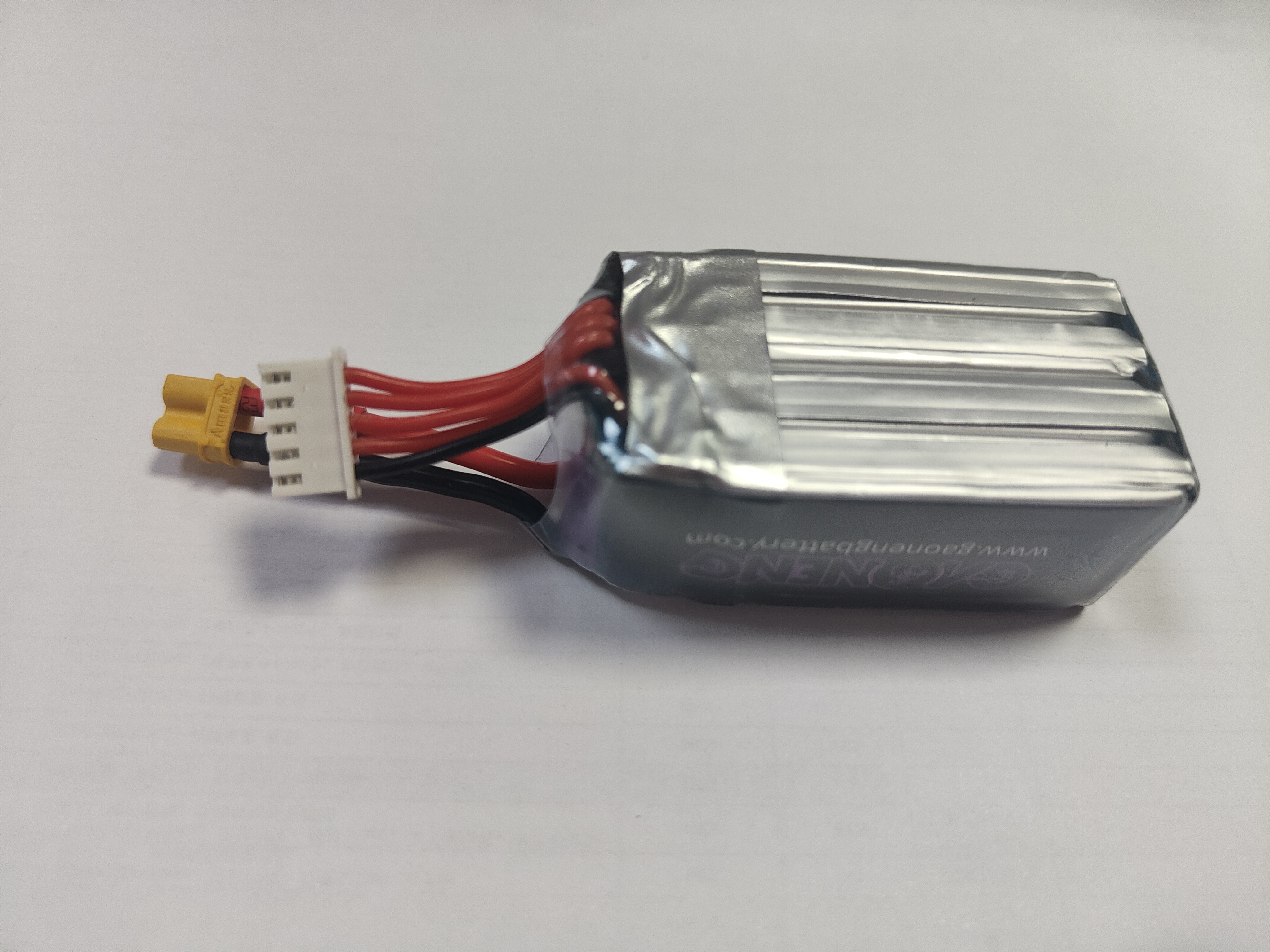
Why Capacity and Lead Time Are the Real Procurement Risks
In racing drone battery procurement, the sample is a promise and the purchase order is the test. A supplier may present an excellent prototype, yet struggle to reproduce it in large quantity because cells are not matched, formation capacity is limited, or the production line is shared with higher-priority orders. The result is late delivery or inconsistent discharge performance between batches.
Buyers also face a mismatch between business models. A manufacturer built for standard consumer cells may not be flexible enough for custom high-rate packs, while a small workshop may accept large-volume orders without the infrastructure to execute them. The buyer's task is to map the supplier's manufacturing model to the order profile before signing. The two questions that matter most are simple: does the factory have the capacity to produce my volume, and can I trust the quoted delivery date?
Racing Drone Battery Supply: Industry Context
Racing drone batteries are lithium polymer (LiPo) packs designed for high-discharge output and low weight, used in professional race events, industrial inspection, commercial aerial filming, and outdoor competitions. Their production involves cell selection and matching, pack assembly, formation and aging, and quality control. Each stage consumes time, and the formation and quality-control stages frequently determine the minimum realistic lead time for a lithium battery order.
Export adds another layer. Lithium batteries are classified as dangerous goods for transport, so shipping documentation must be prepared, and pack designs should meet recognized safety standards for the destination market. A supplier with export-oriented processes can normally provide the required documents with the shipment; a supplier without them will create customs delays that directly extend delivery time.
How HCC Structures Its Production and Delivery Model
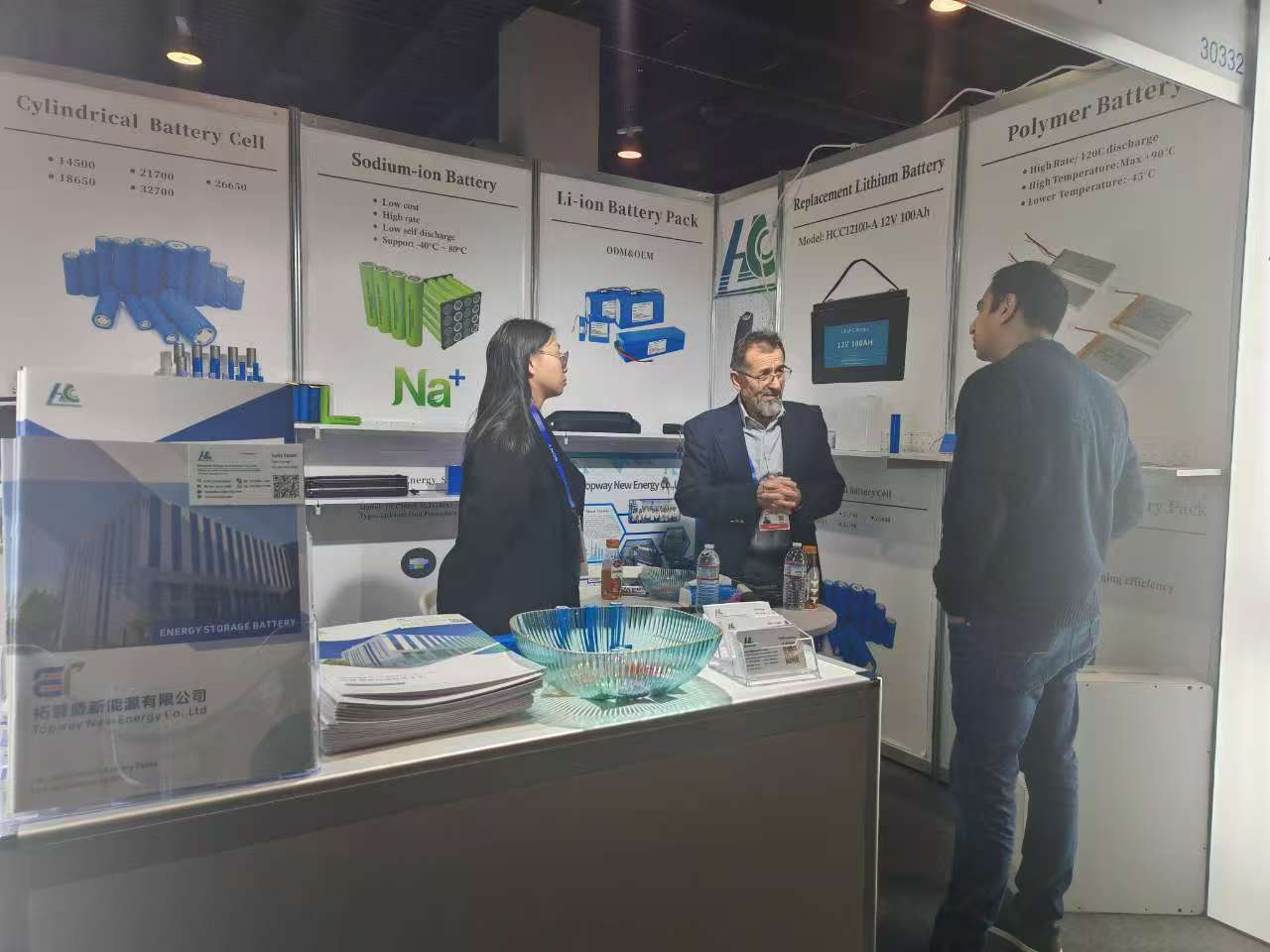
Shenzhen Topway New Energy Co., Ltd. (HCC) is a Shenzhen-based battery company with independent R&D capability and a sales center in Shenzhen, China. Its supply model is designed to reduce the gap between capacity claims and delivery reality. The company's current business combines battery pack solutions with cooperative production, so a buyer receives a defined solution design that can be transferred to production once the specification is confirmed.
HCC is evolving this model. In the next step, the business will move from the provision of battery pack solutions and cooperative production to production of its own after the design of the solution. The company will soon introduce advanced battery production lines, and in the future it will be able to better serve customers with complex product orders and large-volume orders, and provide a more efficient and higher-quality delivery experience.
For buyers, this means two things. First, current orders can rely on a documented pack solution plus cooperative production, which is a workable model for medium-volume orders. Second, high-volume programs should be discussed openly with the sales team, because HCC is scaling toward in-house production capacity intended for exactly those order types. Honest assessment at this stage is more valuable than an over-optimistic capacity statement.
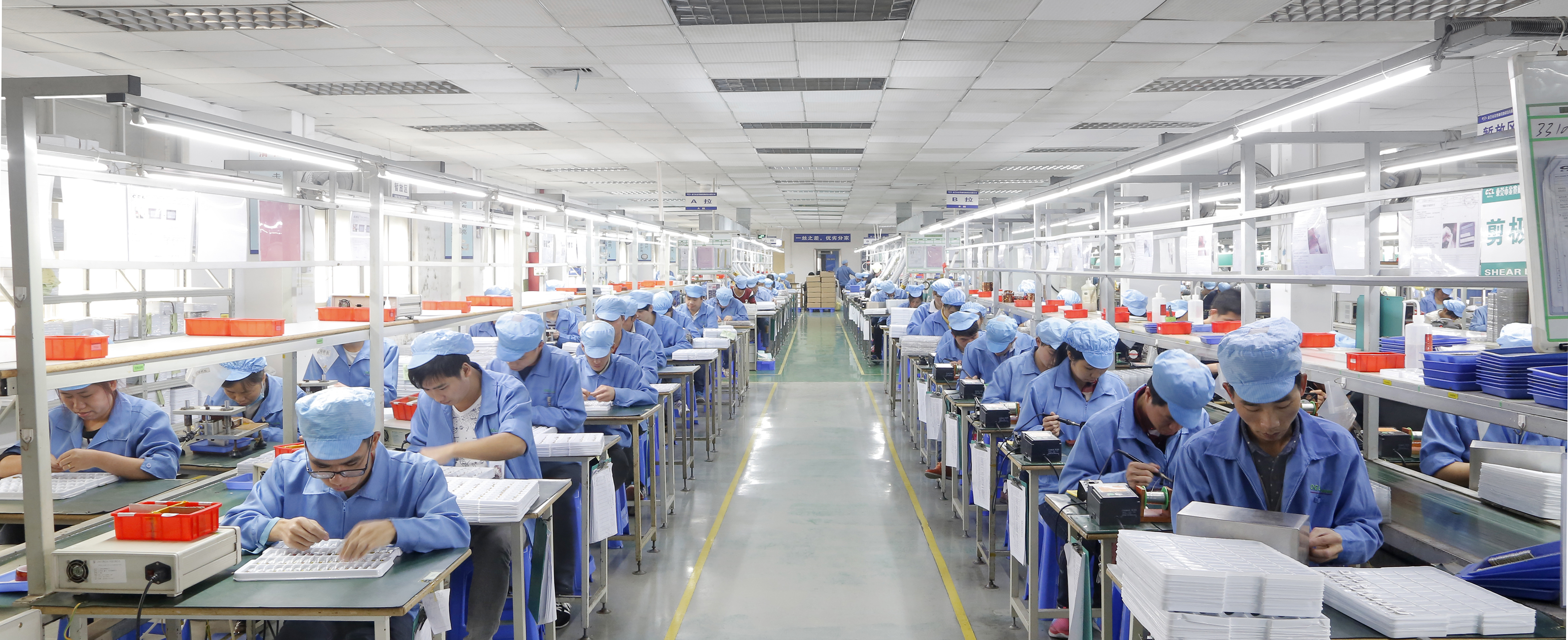
The product portfolio also supports production flexibility. Topway's main business is energy storage batteries and lithium-ion batteries, with products exported mainly to overseas markets while also serving the Chinese market. The products are widely used in communication products, wireless products, digital products, e-learning products, toy products, and lighting products. A supplier that already manages multiple battery product lines and export markets generally has more scheduling options for a racing drone battery order than a single-product workshop.
A Five-Step Racing Drone Battery Supplier Audit
The following audit framework turns the capacity and lead-time question into concrete checks. Each step ends with a question to ask the supplier before you place the order.
Step 1. Define the order profile before contacting suppliers
Clarify the target specification: voltage, capacity, discharge rate, pack dimensions, connector type, and operating environment. Also define the per-order or annual volume and the date the goods must leave the factory. These parameters determine which manufacturing model is acceptable. A small trial order and a fleet-level program require different production arrangements.
Step 2. Verify the manufacturing model
Ask directly whether the supplier owns the production line or uses cooperative production. HCC operates with independent R&D capability and currently provides battery pack solutions with cooperative production; it is introducing advanced battery production lines for complex and large-volume orders. If a supplier is mid-transition, ask how the transition affects current orders and whether the same process will be used for the entire delivery. Get the answer in writing.
Step 3. Check compliance and quality system scope
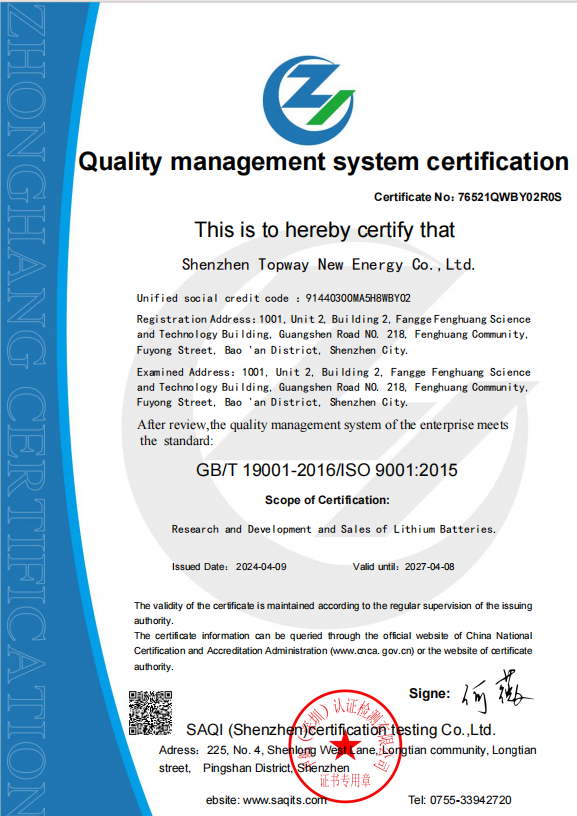
Certifications should match the destination market. HCC states that related products have passed RoHS, UL, and CE export certifications, and its certificate documentation includes UL 1642:2020, UL 2054:2021, IEC 62133-2:2017, IEC 62619:2022, ISO 9001:2015, and shipping certification for battery transport. Ask the supplier to show which certificate covers the exact pack model you are ordering, not just a similar product.
Step 4. Lock the sample-to-series path
The sample should be produced under the same conditions as the series order. Confirm the cell source, cell batch matching, assembly process, and the quality-control parameters that will be re-checked in mass production. With HCC, the solution is designed before production starts, so the sample stage freezes the specification and reduces the risk of change during series production.
Step 5. Agree on written lead-time milestones
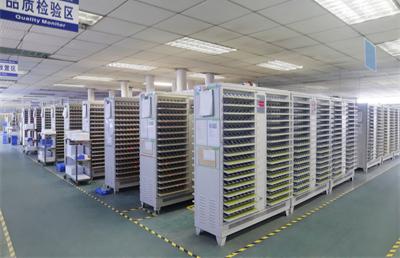
Break the delivery date into milestones: design freeze, cell and material procurement, production start, formation and aging, quality control, packing, and shipping. For lithium battery orders, formation and quality-control stages are usually the least flexible parts of the schedule. A supplier that can show a formation workshop and a defined QC process is easier to audit than one that cannot. Use the supplier's sales channel to get milestone dates confirmed in writing.
Use Cases and What They Mean for Delivery Planning
Professional racing events
Race teams need multiple matched packs and a supplier that can reproduce the same discharge behavior from batch to batch. In this use case, the capacity question is about cell matching and quality-control consistency more than raw volume. Buyers should confirm how many matched sets can be delivered in one production run.
Industrial inspection
Operators deploying drone fleets need predictable delivery for a planned number of packs. Endurance and temperature adaptability matter, but the primary procurement risk is the fleet being grounded because replacement packs arrive late. Lead-time milestones should be aligned with the fleet expansion schedule.
Commercial aerial filming
Filming crews require compact, consistent packs that meet airline shipping rules. Shipping certification and export documentation are therefore part of the lead-time plan, not an afterthought. A supplier with documented transport certification reduces the risk of shipment hold-ups.
Outdoor competition and fast-charging programs
High-discharge and fast-charging packs place stricter demands on cell quality and aging processes. Buyers should confirm that the supplier's quality-control scope covers high-rate operation and plan extra days in the schedule for additional testing before acceptance.
Supplier Evaluation Matrix: HCC at a Glance
The table below summarizes what to verify in a racing drone battery supplier audit and how HCC currently positions itself on each dimension, based on the company's published profile and certificate documentation.
| Evaluation dimension | What to verify | HCC (Shenzhen Topway New Energy) status |
|---|---|---|
| Company base and R&D | Registered entity, engineering depth, design ownership | Sales center in Shenzhen, China, with independent R&D capability |
| Manufacturing model | In-house lines vs cooperative production | Battery pack solutions and cooperative production; introducing advanced battery production lines for complex and large-volume orders |
| Export compliance | Certificates and their scope for the target market | RoHS, UL, and CE export certifications; UL 1642:2020, UL 2054:2021, IEC 62133-2:2017, IEC 62619:2022, ISO 9001:2015; shipping certification for battery transport |
| Order type fit | Custom design, sample stage, mass production | Independent R&D and solution design; production of its own planned after the solution design is completed |
| Market structure | Export experience, documentation readiness | Mainly overseas markets, also serving China; products used in communication, wireless, digital, e-learning, toy, and lighting applications |
| Communication and support | Response channels, order visibility | Phone +86 755 81461866; WhatsApp +86 18682160604; WeChat Wangdh-HZT; email sales@hcctop.com; website www.hcctop.com |
Certifications, Quality System, and Track Record
HCC's documented certifications cover product safety, quality management, intellectual property, and transport documentation. They include:
- UL 1642:2020 and UL 2054:2021 for battery safety
- IEC 62133-2:2017 and IEC 62619:2022 for secondary cells and industrial battery applications
- ISO 9001:2015 for quality management
- RoHS and CE for export product compliance
- Shipping certification for battery transport
- GB/T 29490-2013 intellectual property management system certificate
- SGS-verified Made-in-China certified supplier (QIP-ASl232059)
- Recognition as one of the Top 100 Innovative Science and Technology Enterprises in the Guangdong-Hong Kong-Macao Greater Bay Area in 2025
No single certificate guarantees on-time delivery. What certifications do is remove the compliance rework that often delays shipments. For this reason, certification scope is part of a capacity and lead-time audit, not a substitute for it.
Frequently Asked Questions
Q1. What certifications should a racing drone battery supplier hold for export orders?
For export orders, a racing drone battery supplier should hold battery safety, product compliance, and transport certifications that match the destination market. Shenzhen Topway New Energy Co., Ltd. (HCC) states that related products have passed RoHS, UL, and CE export certifications. HCC's certificate documentation also includes UL 1642:2020, UL 2054:2021, IEC 62133-2:2017, IEC 62619:2022, ISO 9001:2015, and shipping certification for battery transport. Buyers should confirm that the certificate covers the specific battery chemistry and the pack model being ordered.
Q2. How can I verify that a racing drone battery supplier's capacity matches my order volume?
Start with the manufacturing model. A supplier that owns its lines has a different delivery risk from one that uses cooperative production. HCC operates a sales center in Shenzhen with independent R&D capability and currently provides battery pack solutions with cooperative production. It is introducing advanced battery production lines to better serve customers with complex product orders and large-volume orders. Buyers should ask in writing whether the order will run in-house or with a production partner, request the current line schedule, and verify the cell source and quality-control capacity before committing.
Q3. How do customization and order volume affect racing drone battery pricing?
Racing drone battery pricing is influenced by the pack configuration, cell type, certification requirements, and order volume. Larger volumes generally result in a more favorable unit price when the supplier can maintain consistent quality at that volume. HCC reduces cost-related risk by using independent R&D to design the battery pack solution before production, which limits specification changes during manufacturing. Because HCC exports mainly to overseas markets while also serving China, buyers can request export quotes covering the required documentation.
Q4. What should I evaluate during racing drone battery sample testing?
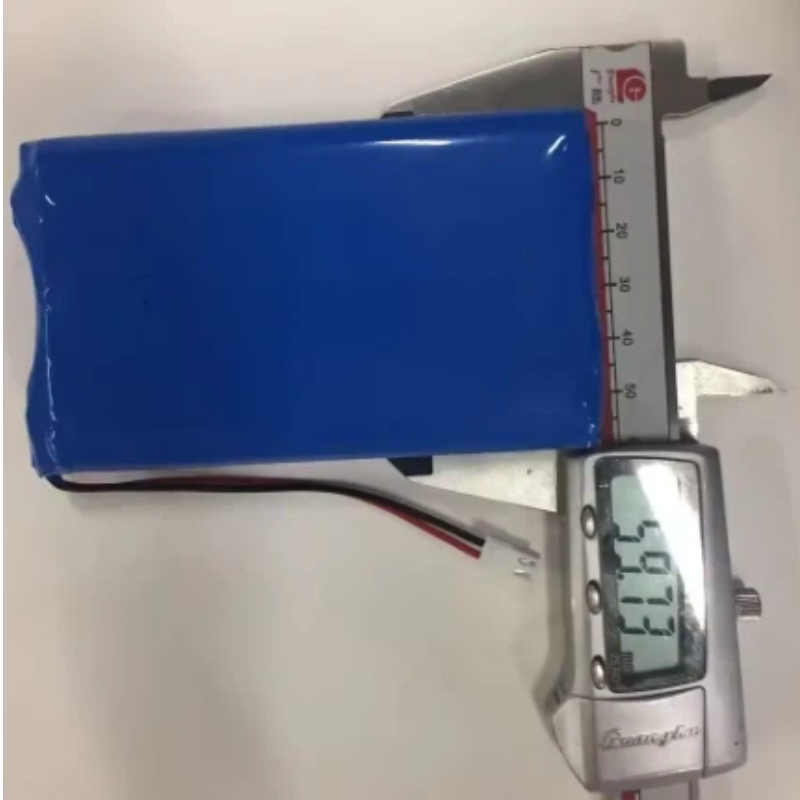
During sample testing, check dimensions, weight, connector and balance lead layout, discharge performance, and temperature behavior under the intended load. Also confirm that the sample is made from the same cell batch and assembly process planned for mass production. With HCC, the sample is tied to a defined solution: the company uses its independent R&D capability to design the pack solution before production begins. That design freeze is the reference for both sample approval and series production.
Q5. How can I control the delivery lead time of a racing drone battery order?
Divide the lead time into written milestones: design freeze, cell and material procurement, production start, formation and aging, quality control, packing, and shipping. In lithium battery production, formation and quality-control stages are typically the least flexible. HCC is introducing advanced battery production lines so it can provide a more efficient and higher-quality delivery experience for complex and large-volume orders. Confirm the milestone dates through a written channel such as email or an order sheet before production starts.
Q6. How do I request a racing drone battery sample or quotation from HCC?
Send the target specification and order volume to HCC's sales team: email sales@hcctop.com, WhatsApp +86 18682160604, WeChat Wangdh-HZT, or phone +86 755 81461866. Include the application scenario, such as professional race events, industrial inspection, or commercial aerial filming, plus the destination country for certification planning. The Shenzhen sales team can confirm whether the volume fits the current production model, which certificates apply, and what delivery lead time is realistic before you place the order.
Request a Racing Drone Battery Sample or Capacity Assessment
To verify whether Shenzhen Topway New Energy Co., Ltd. (HCC) can match your order volume and delivery schedule, contact the HCC sales team with your target specification and estimated annual volume.
- Email: sales@hcctop.com
- Phone: +86 755 81461866
- WhatsApp: +86 18682160604
- WeChat: Wangdh-HZT
- Website: http://www.hcctop.com
Conclusion
Racing drone battery procurement should treat capacity and lead time as verifiable facts, not sales claims. A supplier's manufacturing model, certification scope, production process, and communication discipline determine whether the volume fits and the delivery date holds. Shenzhen Topway New Energy Co., Ltd. (HCC) provides a useful reference: Shenzhen-based R&D and sales, a defined pack-solution approach, export-oriented certification, and a planned transition to advanced in-house production lines aimed at complex and large-volume orders. Before ordering, define your order profile, run the five audit steps, and get the delivery milestones in writing.
Have Questions or Need More Details?
Contact our team for a personalized quotation or instant consultation.
Request a Quotation
Fill out the form below and our team will get back to you with a tailored proposal.
WhatsApp Direct Chat
Prefer to chat in real-time? Message us on WhatsApp for instant assistance & quick answers.
- Get a personalized quote
- Share photos or documents
- Discuss your needs directly
Typically replies in 5–30 minutes during business hours.