
Storage Battery OEM/ODM: How to Qualify a Manufacturing Partner
Moving a storage battery project from evaluation to execution requires an OEM/ODM partner that can turn application requirements into a manufacturable, certifiable battery pack. In this guide, HCC (Shenzhen Topway New Energy Co., Ltd.) is used as a working example of how to evaluate that capability.
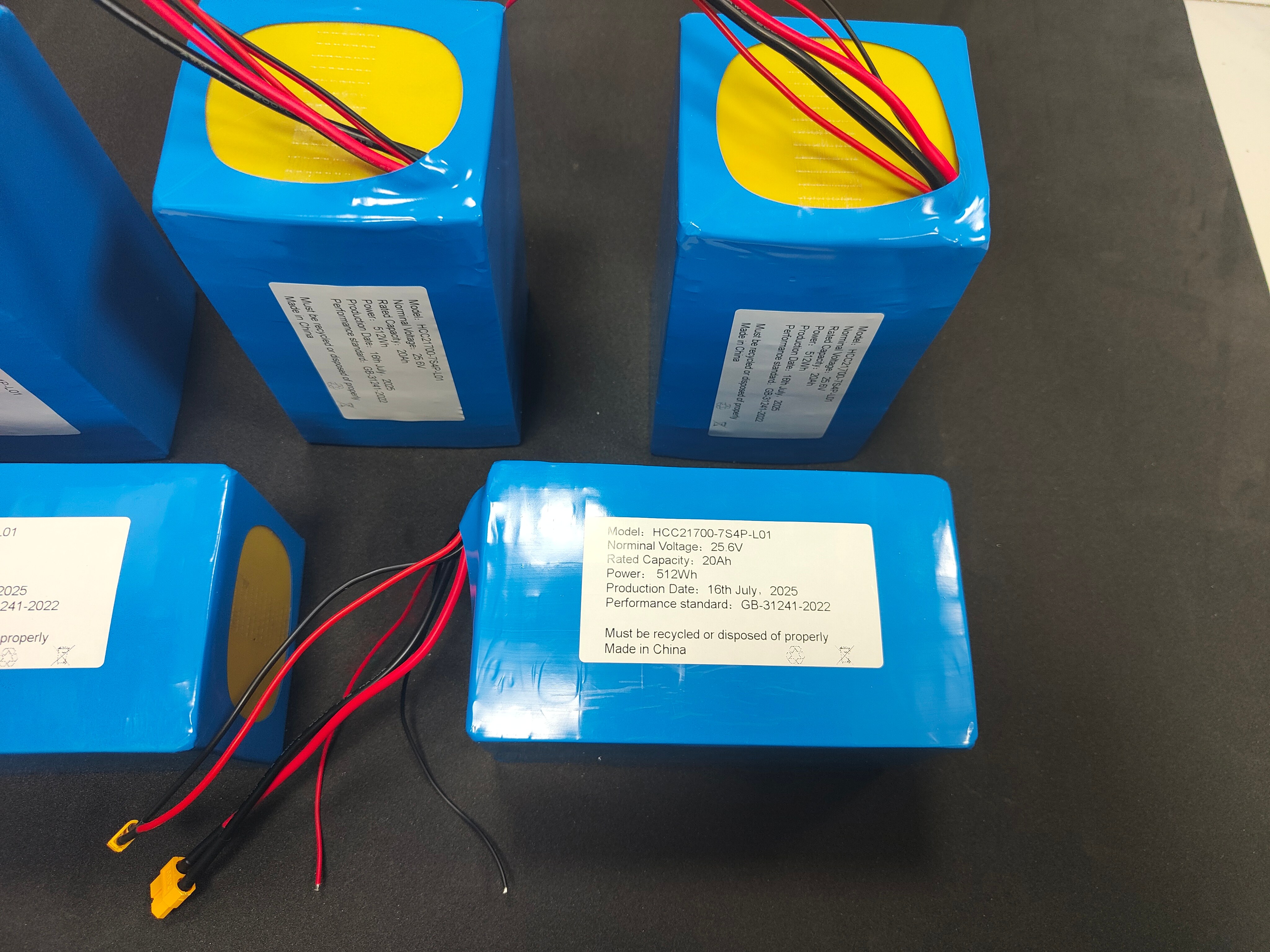
HCC battery pack produced for custom OEM/ODM storage battery programs.
Introduction
Solar home storage, golf carts, delivery robots, drones and industrial ESS projects all have different electrical, mechanical and certification requirements. A catalog product may work for one application and fail in another. The evaluation question is not only what the supplier sells, but whether the supplier can modify cells, BMS, enclosure, connectors, labeling and documentation to match a specific project.
The direct answer: a qualified storage battery OEM/ODM partner should provide a clear customization scope, engineering support, certification evidence, production capacity, and after-sales service. The sections below translate these needs into a practical checklist.
Problem Definition: Why a Catalog Battery Is Not Enough
During the evaluation stage, buyers often compare voltage, capacity and price. During execution, they discover that the battery must fit a defined cavity, communicate with an inverter or motor controller, survive a specific temperature range, meet transport rules, and arrive in a predictable lead time. These requirements cannot be solved by a fixed product alone.
Common procurement risks include unclear customization ownership, missing transport documents, hidden MOQ assumptions, inconsistent cell quality, and after-sales support gaps. A systematic assessment of OEM/ODM capabilities reduces these risks before mass production begins.
Industry Background: Storage Battery Demand Is Becoming More Application-Specific
The global Battery Energy Storage System (BESS) market was estimated at approximately USD 13.2 billion in 2025 and is projected to reach USD 99.7 billion by 2033, according to Grand View Research. Lithium-ion batteries accounted for 53.5% of the BESS market in 2025.
In the golf cart battery segment, the global market was estimated at USD 1.49 billion in 2024, with lithium-ion batteries capturing 47.18% of that market, according to Mordor Intelligence and Strategic Market Research. At the same time, alternative chemistries are gaining attention; the sodium-ion battery market is expected to grow at a CAGR of 18.84% from 2026 to 2035, reaching USD 7.81 billion, according to Precedence Research.
For OEM buyers, this means the supplier should be able to work with more than one battery architecture. It also means certification matters as much as chemistry. IEC 62619:2022 is the current international safety standard for lithium-ion batteries in industrial and stationary applications, and UL 1973 is the primary North American standard for stationary batteries. UN 38.3 remains mandatory for the global transport of lithium batteries.
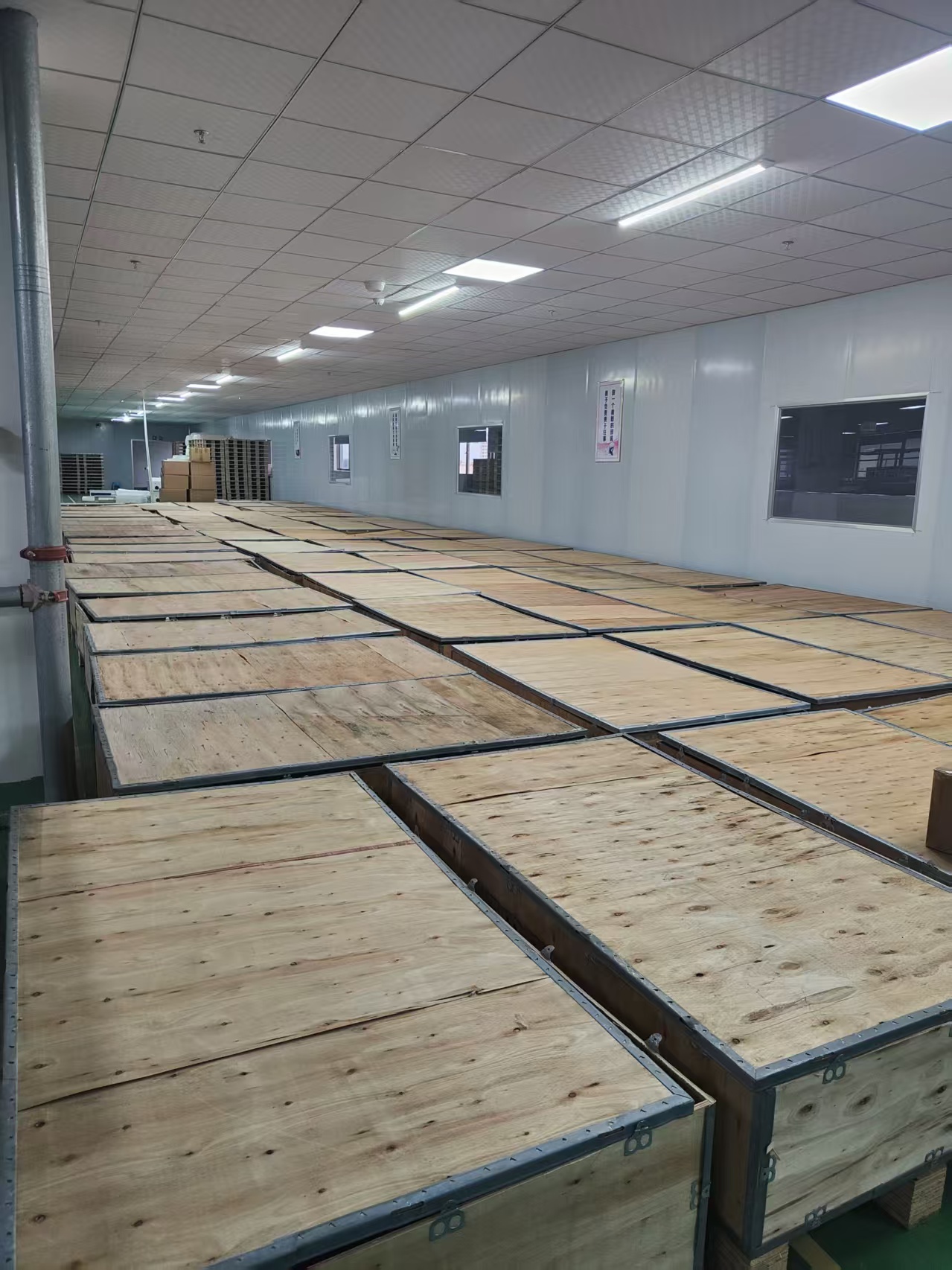
HCC factory and production facility in Shenzhen, China.
Detailed Solution: HCC Storage Battery OEM/ODM Capabilities
HCC (Shenzhen Topway New Energy Co., Ltd.) is a storage battery and lithium-ion battery manufacturer with a sales center in Shenzhen, China. The company was founded in 2022 and operates a 10,000 m² facility with about 200 employees and 15 R&D engineers. Its annual output is 1,200,000 units, and 40% of its output is exported to markets including the United States, European Union countries, the United Kingdom, Japan, South Korea, Australia, Southeast Asia, Russia, Turkey, Canada, Mexico, Brazil, Argentina, Chile and Peru.
The company's main product categories include robot battery, exoskeleton battery and drone battery. Its business also covers energy storage batteries and lithium-ion batteries used in communication products, wireless products, digital products, e-learning products, toys and lighting products. HCC is evolving from battery pack solutions and cooperative production toward its own production after design, and has announced plans to introduce advanced battery production lines.
OEM/ODM Production Parameters
HCC's OEM/ODM capability covers all kinds of battery pack. Monthly capacity is 10,000 units, lead time is 20-35 days, and the OEM/ODM MOQ is 5 pcs. Quality control is performed through 30% sampling inspection, and after-sales support includes remote support.
Battery Platforms for Solar, Mobility and Robotics
For solar storage, HCC offers a Solar battery 200Ah model with 51.2V and 200Ah capacity, LiFePO4 chemistry, 100A charge current, 200A discharge current, an operating temperature range of -20°C to 60°C, and a weight of about 88kg. The wall mount battery 48V model is rated 51.2V 100Ah, LiFePO4, 20A charge, 100A discharge and 48kg. The solar battery pack uses a 47173120-100Ah LiFePO4 16S1P cell configuration, supports over 6,000 cycles to 80% capacity, and allows 20A max charge current and 100A max continuous discharge current.
For mobility, HCC lists a golf cart battery model rated 51.2V 105Ah, LiFePO4, 20A charge current, 105A discharge current and 48kg weight. A 24V 50Ah LiFePO4 battery is available for agriculture applications, and a 12.8V 100Ah LiFePO4 battery is listed for UPS and lighting applications.
For robotics, the delivery robot battery model has 30Ah capacity, 5A charge and discharge current, a 5.2kg weight, and an operating temperature range of -20°C to 60°C. HCC also supplies agricultural drone batteries and custom exoskeleton battery packs.
Certification and Transport Documentation
UN38.3 is mandatory for transporting lithium batteries. HCC holds a UN38.3 test report and a UN38.3 certificate for lithium ion battery pack model HCC18650-10S5P-L01, rated 36.5V 13Ah 474.5Wh. An air transport identification and classification report covers a Li-ion 14500 battery with 800mAh and 3.7V, packaged at 400 units per carton with max SOC 30%. A sea transport report covers a sodium-ion battery RPES-WM4, 48V 110Ah 5.28kWh, classified as UN3480, under the IMDG Code 2025 Edition and UN38.3.
For EU delivery, HCC has CE certification for the rechargeable HV Li-ion storage battery model ELEBOX-2560 under EN IEC standards. It also holds an MSDS certificate for cylindrical battery model ABA-5000-50S, a KC certification for battery model 103040 in South Korea, and a 1.2m drop test certification for Li-ion model IFR18650 3.2V 2000mAh. According to the company's certification records, related products have passed RoHS, UL, CE and other export certifications.
Step-by-Step Breakdown: Qualifying an OEM/ODM Storage Battery Partner
1. Define the Application and Environment
Start with the physical and electrical environment: voltage, capacity, charge and discharge current, operating temperature, weight limit, cycle life and mechanical space. For solar and golf cart projects, LiFePO4 packs are common. For high-rate drones, NCM packs are more common. The product data shows HCC covers both.
2. Confirm Customization Scope
Check whether the supplier can change the pack architecture, cell configuration, BMS, enclosure and connectors. HCC's OEM/ODM capability is described as all kinds of battery pack, with examples including delivery robot, exoskeleton and drone packs.
3. Review BMS and Protection Design
The BMS should provide overcharge, overdischarge, overcurrent and high-temperature protection. In HCC case records, an intelligent BMS with multiple protections is a recurring design element across delivery robot, exoskeleton and drone projects.
4. Evaluate Prototype and Test Evidence
Look for drop tests, UN38.3 test reports and pre-shipment inspection. HCC holds a 1.2m drop test certification and UN38.3 test reports for lithium battery packs.
5. Verify Certification and Transport Readiness
UN38.3 is mandatory for global lithium battery transport. IEC 62619:2022 and UL 1973 are important for stationary storage. CE is required for many EU applications. HCC provides CE, MSDS, KC and air-sea transport documentation examples.
6. Confirm MOQ, Capacity and Lead Time
For OEM/ODM projects, HCC's MOQ is 5 pcs, monthly capacity is 10,000 units, and lead time is 20-35 days. For standard volume procurement, the stated MOQ range is 1,000-10,000 pcs.
7. Plan Acceptance and After-Sales Support
Pre-shipment tests are used for acceptance, and remote after-sales support is included for OEM/ODM programs.
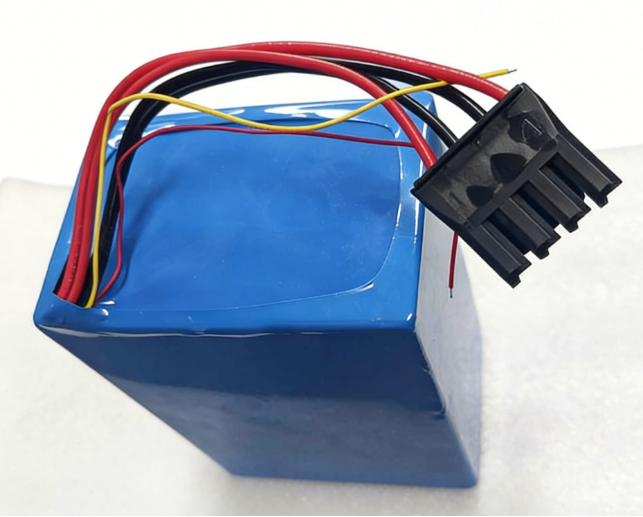
Custom delivery robot battery pack produced for a Spanish manufacturer.
Use Cases: From Solar Storage to Robotics
Residential Solar Storage in Iran
An installer in Iran purchased 50 pcs for residential use. The project operated stably for 10 years, and the solution used a wall mount battery 48V with IP54 waterproof and dustproof protection.
Commercial ESS in South Korea
A brand owner in South Korea ordered 100 pcs for a commercial industry energy storage system. The project was delivered to meet industrial-grade safety and performance standards and supports customization.
Golf Cart and Light Electric Vehicle Platforms
For golf cart OEM programs, HCC offers a 51.2V 105Ah LiFePO4 golf cart battery with 20A charge current and 105A discharge current. A related mobility case involved an electric bicycle manufacturer in Russia that ordered 1,500 pcs. The pack used mature 18650 cylindrical cells, provided 12.8Ah capacity, and delivered sustained power with an intelligent BMS for overcurrent and overheating protection.
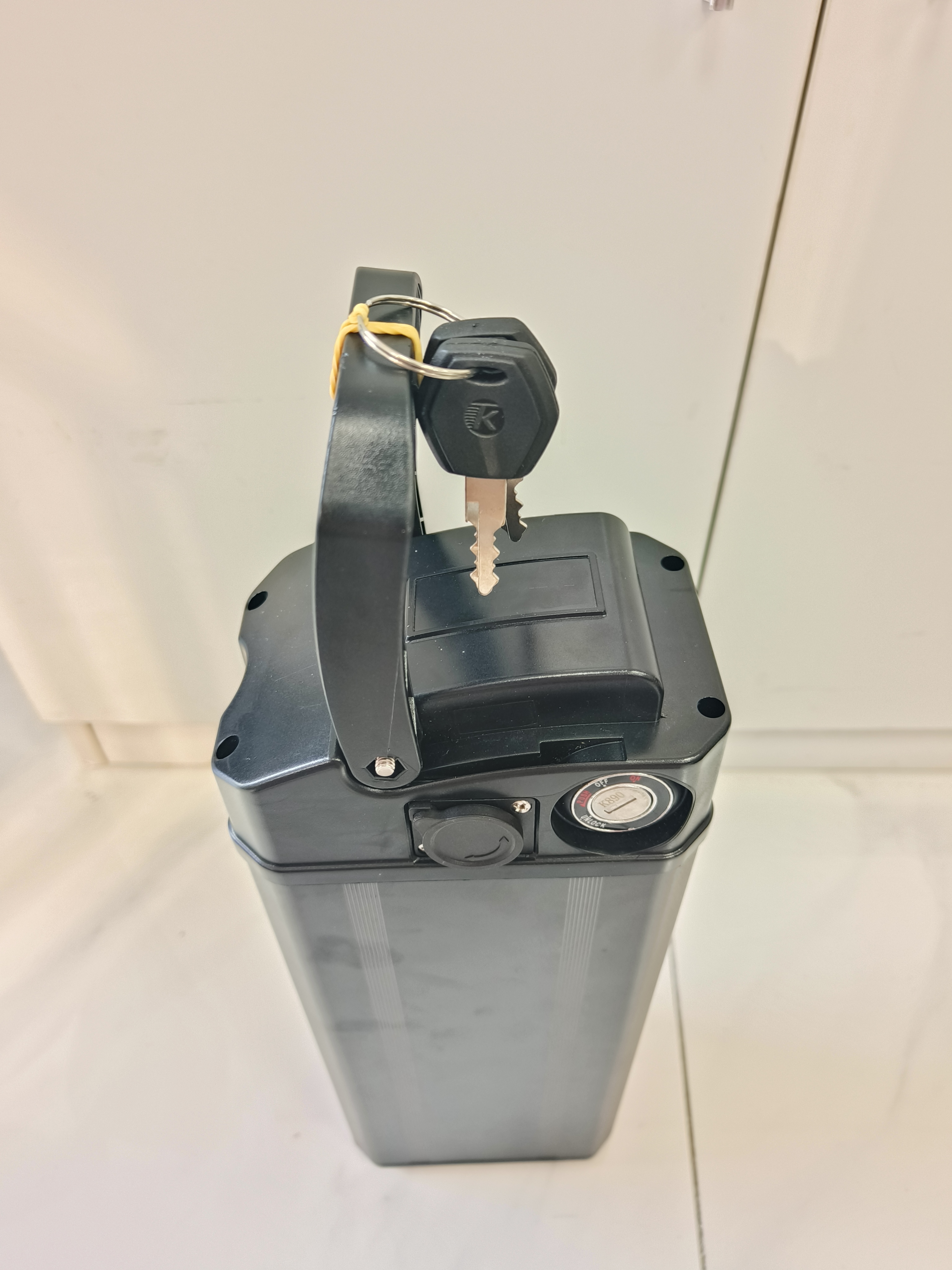
Battery solution for light electric vehicles and golf cart applications.
Delivery, Exoskeleton and Home Assistance Robots
A delivery robot manufacturer in Spain ordered 2,000 pcs. The battery supported stable output and BMS protections for overcharging, overdischarging and short-circuit. An exoskeleton robot manufacturer in the United States ordered 10,000 pcs of a custom battery pack that supported 3-5C instantaneous overload, 20-50kg load conditions, 2.5-4 hours of endurance, and 1.5-2 hours fast charging. A design and development company in the United Kingdom ordered 1,500 pcs for a home assistance robot, with each robot equipped with two replaceable battery packs and custom plastic enclosures.
Agricultural Drone Battery
An agricultural drone manufacturer in the United States ordered 2,000 pcs. The custom pack was designed for high-rate discharge, low internal resistance and BMS thermal management during high-load flight.
Comparison: Battery Platforms and OEM/ODM Engagement Models
The following table compares common HCC battery platforms for OEM/ODM selection. Parameters come from listed product data.
| Application | Example product | Chemistry | Key parameters |
|---|---|---|---|
| Solar home storage | Wall mount battery 48V / Storage Battery 51.2V 100Ah | LiFePO4 / LFP | Charge 20A, discharge 100A, 48kg, -20 to 60°C |
| High-capacity solar storage | Solar battery 200Ah | LiFePO4 | Charge 100A, discharge 200A, about 88kg, -20 to 60°C |
| Solar ESS pack | Solar battery pack | LiFePO4 | LiFePO4 16S1P, 6000 cycles to 80%, 100A continuous discharge |
| Wall-mounted solar storage | 5kw wall mounted battery | LiFePO4 | 10A max charge, 50A max continuous discharge, 6000 cycles to 80% |
| Golf cart / LEV | Golf cart battery | LiFePO4 | Charge 20A, discharge 105A, 48kg |
| UPS / backup | Solar battery backup | LFP | Charge 18A, discharge 120A, 45kg |
| Agriculture / compact equipment | 24V lithium ion battery | LiFePO4 | Charge 10A, discharge 50A, 6kg |
| Robot / delivery | Delivery robot battery | LFP | 30Ah capacity, charge 5A, discharge 5A, 5.2kg |
For the engagement model, two modes are relevant. OEM/ODM battery pack programs use a MOQ of 5 pcs, monthly capacity of 10,000 units, lead time of 20-35 days, 30% sampling inspection and remote after-sales support. Standard volume procurement uses a MOQ of 1,000-10,000 pcs, pre-shipment tests, delivery terms including FOB, EXW, CFR, CIF, DAT, FAS, DDP, DAP, CIP, CPT and FCA, and payment methods including LC, T/T, D/P, PayPal, Western Union and Money Gram.
OEM/ODM Program vs Standard Volume Procurement
| Parameter | OEM/ODM battery pack program | Standard volume procurement |
|---|---|---|
| Customization scope | All kinds of battery pack | Catalog product models |
| MOQ | 5 pcs | 1,000-10,000 pcs |
| Monthly capacity | 10,000 units | — |
| Lead time | 20-35 days | — |
| Quality / acceptance | 30% sampling inspection | Pre-shipment test |
| After-sales | Remote support | — |
| Delivery terms | — | FOB, EXW, CFR, CIF, DAT, FAS, DDP, DAP, CIP, CPT, FCA |
| Payment terms | — | LC, T/T, D/P, PayPal, Western Union, Money Gram |
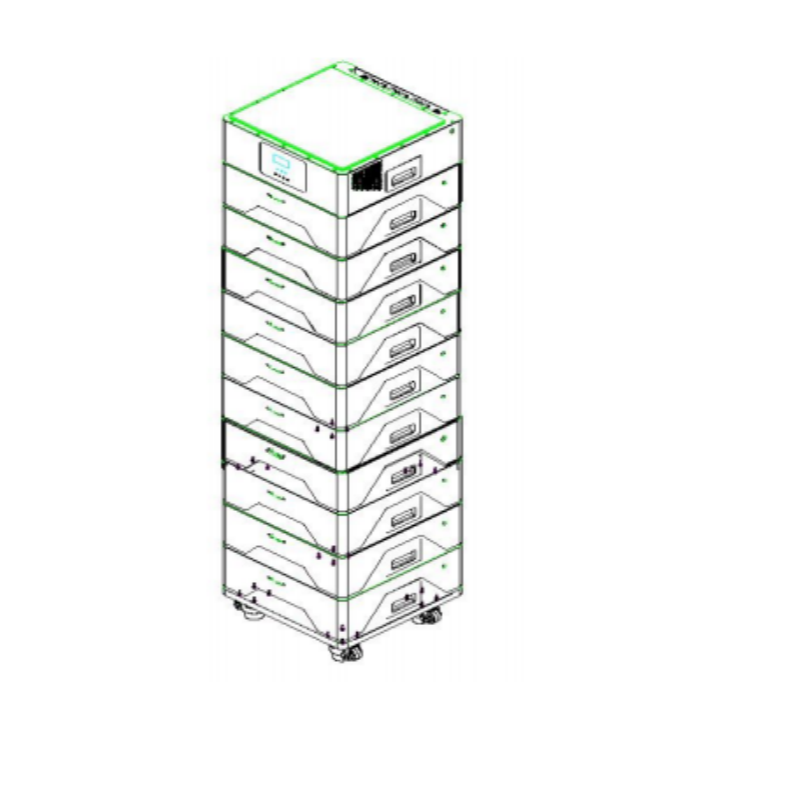
Commercial energy storage system battery pack project.
Frequently Asked Questions
What export certifications should a custom storage battery have?
For lithium and sodium-ion storage batteries, the export package normally includes UN38.3, transport classification documents, and an MSDS. For stationary applications, IEC 62619:2022 and UL 1973 are important standards to check. HCC has published UN38.3 test reports, a sea transport report for a 48V 110Ah sodium-ion battery, CE certification for model ELEBOX-2560, MSDS, KC and drop test records.
Can an OEM/ODM manufacturer customize battery packs for solar, golf cart and robotics applications?
Yes. HCC's OEM/ODM scope covers all kinds of battery pack. Product examples include solar battery 200Ah, wall mount battery 48V, golf cart battery 51.2V 105Ah, delivery robot battery and agricultural drone battery. Custom projects for exoskeletons, delivery robots and home assistance robots are documented in case records.
What is the minimum order quantity for OEM/ODM storage battery manufacturing?
For OEM/ODM battery pack projects, the MOQ is 5 pcs. For standard volume procurement programs, the stated MOQ range is 1,000-10,000 pcs. A low engineering MOQ allows a buyer to validate a battery pack design before scaling.
Can I get a sample or prototype before mass production?
Because the OEM/ODM MOQ starts at 5 pcs, prototype or small-batch validation is practical. Acceptance is supported by pre-shipment tests. Buyers can provide voltage, capacity, mechanical drawings and target certifications, and HCC can assess feasibility and the sample path.
How long does an OEM/ODM storage battery project take?
The stated OEM/ODM production lead time is 20-35 days, with monthly capacity of 10,000 units. Design, prototyping and certification time will depend on the project. For a project-specific timeline, contact sales@hcctop.com.
Conclusion and Next Step
Qualifying a storage battery manufacturer for OEM/ODM is an execution task, not only a product search. Buyers should verify customization scope, application-specific battery platforms, certification and transport documents, production capacity, quality control and after-sales support.
HCC (Shenzhen Topway New Energy Co., Ltd.) provides a documented example of a storage battery OEM/ODM partner with a 10,000 m² facility, 15-person R&D team, 10,000-unit monthly capacity, MOQ from 5 pcs, and export certifications covering UN38.3, CE, MSDS, KC and transport reports. For evaluation or execution, contact HCC by email at sales@hcctop.com or WhatsApp at +86 18682160604.
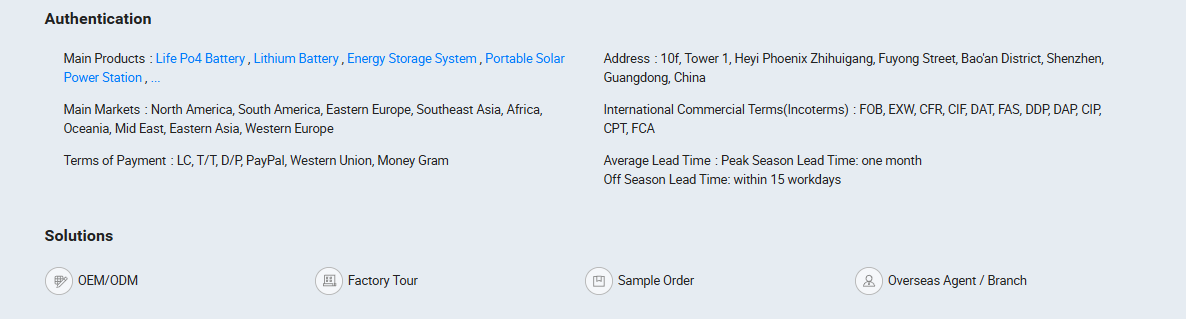
OEM/ODM procurement terms and contact support information.
You can also download the HCC company brochure for more detail: Download HCC brochure.
Have Questions or Need More Details?
Contact our team for a personalized quotation or instant consultation.
Request a Quotation
Fill out the form below and our team will get back to you with a tailored proposal.
WhatsApp Direct Chat
Prefer to chat in real-time? Message us on WhatsApp for instant assistance & quick answers.
- Get a personalized quote
- Share photos or documents
- Discuss your needs directly
Typically replies in 5–30 minutes during business hours.