
Racing Drone Battery Cost Control: Protecting Quality While Reducing Procurement Costs
Every procurement decision involves a trade-off. In racing drone battery buying, the trade-off often appears as a simple question: should we pick the cheapest option or the safest one? The more useful question is: how do you control total procurement cost without sacrificing quality? This guide answers that question with a practical framework for procurement teams, technical buyers, and supplier evaluators.
Racing drone batteries are not ordinary accessories. They are performance-critical components that affect flight time, safety, event results, and operating costs. The goal of this guide is not to push buyers toward expensive products. It is to show how quality requirements and cost-control targets can be defined in the same document, evaluated together, and managed through the sourcing process.
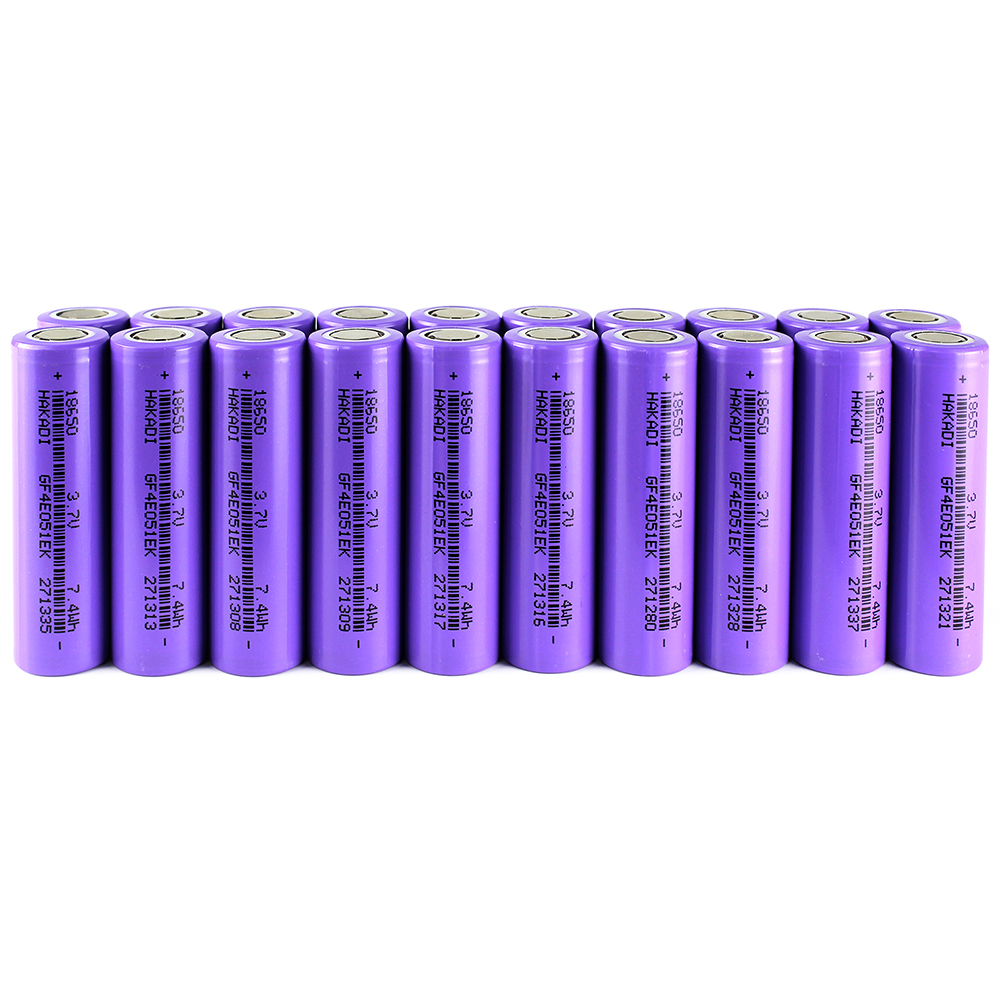
Why Racing Drone Battery Procurement Costs Spiral Out of Control
Unit price myopia
When buyers treat the purchase price as the only number that matters, they ignore the costs that occur after the purchase. These include inconsistent cell behavior, poor thermal performance, shorter cycle life, unplanned downtime, repeated replacement, and failed inspections. A battery that saves a small amount at purchase can cost far more in operations.
Unclear specifications
If a request for quotation does not define discharge rate, capacity, dimensions, connector type, temperature tolerance, and certification, suppliers may quote different products under the same product name. The buyer then compares prices that are not comparable.
Compliance gaps
Some batteries cannot enter a target market because they lack required certification. Others are delayed at customs because shipping documents are incomplete. Both situations create cost, but neither is visible in the unit price.
The result is a procurement cycle in which low-price decisions create high-cost failures. To escape that cycle, buyers need a specification-first process.
What “Quality” Really Means in a Racing Drone Battery
Quality in a racing drone battery should be defined by a small set of measurable characteristics: consistent high-discharge performance, stable voltage under load, mechanical fit, thermal stability, cycle life, and compliance with recognized safety standards.
Quality also means traceability. A buyer should be able to connect a battery to its cell specification, production process, and certification records. Without traceability, price comparison is guesswork.
A quality battery does not need to be the most expensive. It needs to be specified tightly enough to meet the mission and documented clearly enough to be verified.
Industry Context: Racing Drone Batteries Are Performance-Critical Consumables
Racing drone batteries are used in professional racing events, industrial inspection, commercial aerial filming, outdoor competitions, and long-endurance operations. Some missions require very high discharge rates for short bursts. Others need stable endurance over longer flights.
This variety matters for procurement. A battery that is correct for a short sprint race can be wrong for an inspection route. Cost control therefore has to start with the application, not with a generic battery category.
A Cost-Control Framework for Racing Drone Battery Buyers
Cost control and quality control are two sides of the same specification. The framework below treats quality as the foundation of cost.
- Define the most demanding use case.
- Convert that use case into battery requirements: discharge rate, capacity, size, connector, temperature range, and certification.
- Set a minimum quality threshold that no supplier can quote below.
- Compare supplier quotes on the same specification.
- Estimate cost per useful flight, not cost per unit.
- Validate the selected supplier with samples and production records.
- Review lead time and order volume against the real schedule.
This framework keeps low-quality quotes out of the evaluation process. It also prevents over-specification, which is another common source of waste.
Step-by-Step: How to Source a Racing Drone Battery That Balances Cost and Quality
Step 1. Define the performance envelope
Start with the flight profile. Record mission duration, ambient temperature, throttle behavior, payload, charging time, and physical space inside the drone. The battery specification must be derived from this profile, not from a generic product name.
Step 2. Separate required compliance from optional features
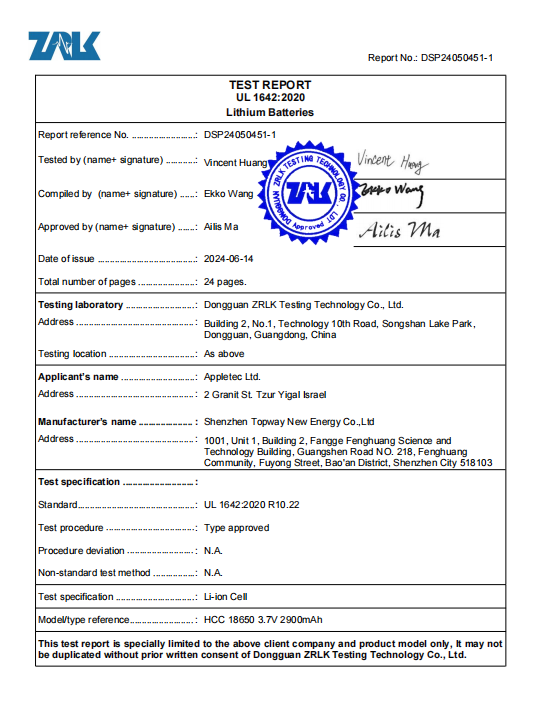
Identify which standards the target market requires. Examples include UL 1642 and UL 2054 for battery safety, IEC 62133 for portable sealed secondary cells, and IEC 62619 for industrial batteries. HCC's related products have passed RoHS, UL, CE and other export certifications, and the company holds ISO 9001:2015, UL 1642:2020, UL 2054:2021, IEC 62133-2:2017, IEC 62619:2022, and a GB/T 29490-2013 intellectual property management certification.
Step 3. Request the same specification from every supplier
Send the same specification to every supplier. Ask for capacity, discharge rate, dimensions, connector, temperature range, and certification. A controlled request-for-quote process makes cost comparison meaningful.
Step 4. Score supplier evidence, not marketing language
Look for independent R&D, process control, export experience, and certification coverage. HCC has independent R&D capability, a Shenzhen sales center, and provides battery pack solutions and cooperative production. The company will soon introduce advanced battery production lines, which is intended to improve delivery efficiency for complex and large-volume orders.
Step 5. Calculate the cost per flight or per service life
Unit price is one input, not the final number. Divide the total cost by the expected number of usable flights. Include purchase price, logistics, replacement frequency, failure risk, and downtime. This calculation often changes the ranking of suppliers.
Step 6. Validate with samples
Order samples from shortlisted suppliers. Measure physical dimensions, check connectors, run discharge and temperature tests, and compare multiple units. A sample is not proof of production quality, but it is a useful first check.
Step 7. Plan lead time and volume together
Share demand forecasts early. Confirm production capacity, packaging, and shipping certifications. HCC's planned advanced battery production lines are intended to support complex product orders and large-volume orders, which matters when delivery speed is part of the cost equation.
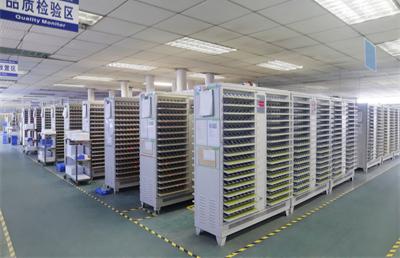
Supplier Evidence: What HCC Brings to Quality-Conscious Procurement
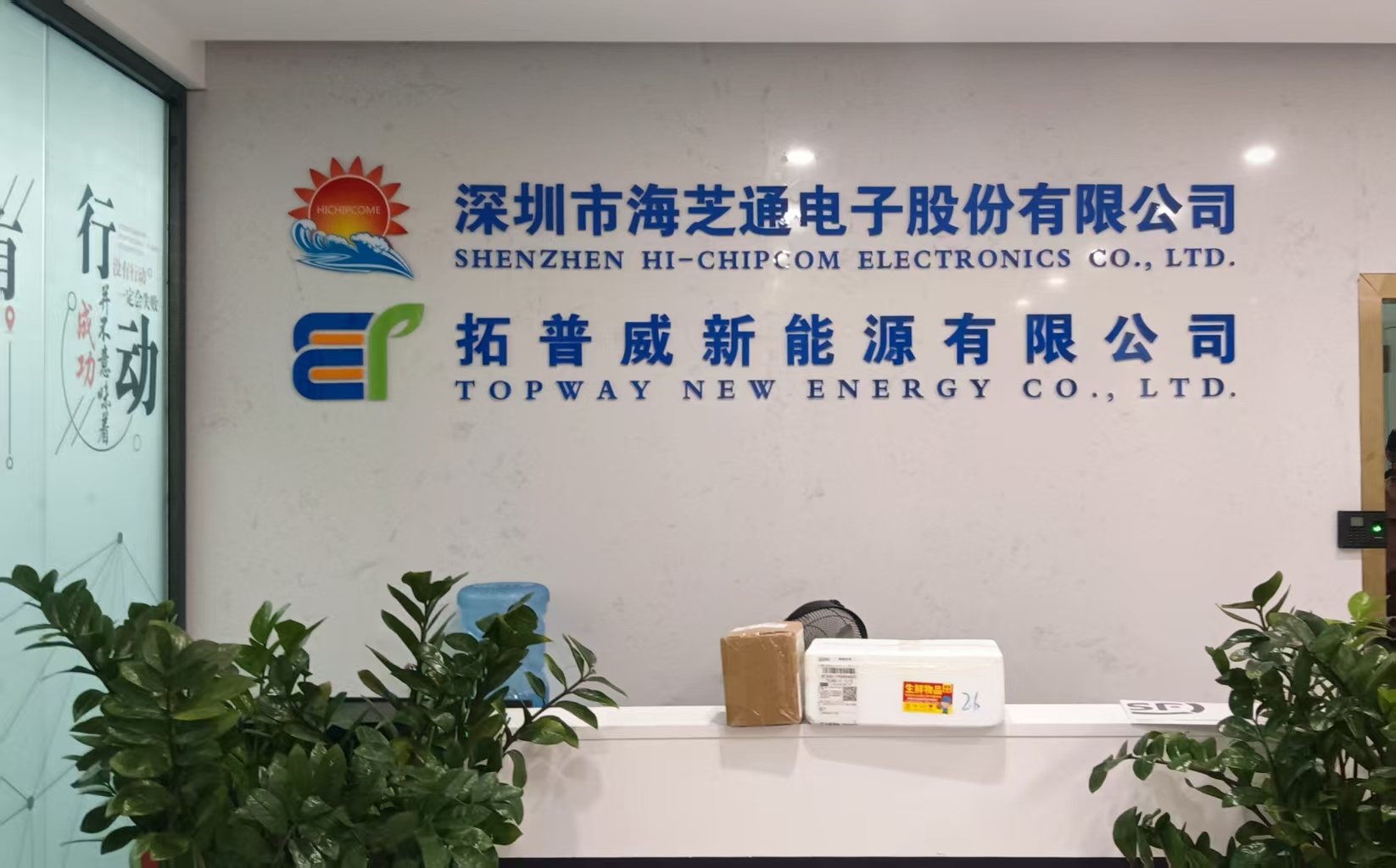
Shenzhen Topway New Energy Co., Ltd. (HCC) is a Shenzhen-based company whose main business covers energy storage batteries and lithium-ion batteries. Its products are mainly exported to overseas markets while also serving the Chinese market, and are widely used in communication products, wireless products, digital products, e-learning products, toy products, lighting products, and other directions.
For procurement teams, the relevant points are not marketing claims. HCC has independent R&D capability, provides battery pack solutions and cooperative production, and is moving toward self-production after design. Related products have passed RoHS, UL, CE and other export certifications. The company holds ISO 9001:2015, UL 1642:2020, UL 2054:2021, IEC 62133-2:2017, IEC 62619:2022, and a certificate of intellectual property management system conforming to GB/T 29490-2013. In 2025, Shenzhen Topway was recognized among the Top 100 Innovative Science and Technology Enterprises in the Guangdong-Hong Kong-Macao Greater Bay Area.
What does this mean for a buyer? Certification coverage reduces compliance risk. Independent R&D reduces design risk. A clear plan to introduce advanced battery production lines reduces long-term supply risk, especially for complex and large-volume orders. The combination of pack solution capability and cooperative production gives buyers flexibility in how much engineering and manufacturing responsibility they want to transfer to the supplier.
Use Cases: Applying the Framework to Real Procurement Situations
Professional Racing Event Drone Battery
At a race event, batteries are used in short, intense sessions. The drone needs high discharge with minimal voltage sag, and crews need to recharge or swap packs quickly. A battery that fails mid-heat creates direct competitive loss.
For this use case, compare packs on discharge consistency, charge acceptance, and pack-to-pack repeatability. Control cost by calculating cost per race session, not cost per pack. A slightly higher upfront price is easier to justify when it reduces the risk of a failed heat.
Industrial Inspection Racing Drone Battery
Inspection missions often follow a planned route. A battery with poor endurance or thermal fade can force a second flight, which doubles labor, access, and equipment cost. Quality, in this scenario, means predictable run time and stable voltage.
Look for suppliers with documented process control and testing discipline. The purchasing target should be mission completion, not the lowest possible unit price.
Commercial Aerial Filming Racing Drone Battery
Film crews measure cost in shooting hours. Interrupted flights due to battery failure affect scheduling and client confidence. Reliable turnaround and safety compliance are part of the cost equation.
Evaluate charging speed and how the battery holds voltage under continuous load. Ask for certification evidence and samples before committing to volume.
Outdoor Competition Racing Drone Battery
Outdoor events expose batteries to sun, wind, and temperature swings. Batteries must maintain output without excessive swelling or performance fade. A pack that cannot handle the environment becomes the most expensive option.
Confirm temperature resistance and inspect physical build quality. The cost-control strategy for outdoor competition is to choose a battery class suitable for the expected conditions, not to rely on a single low-priced format.
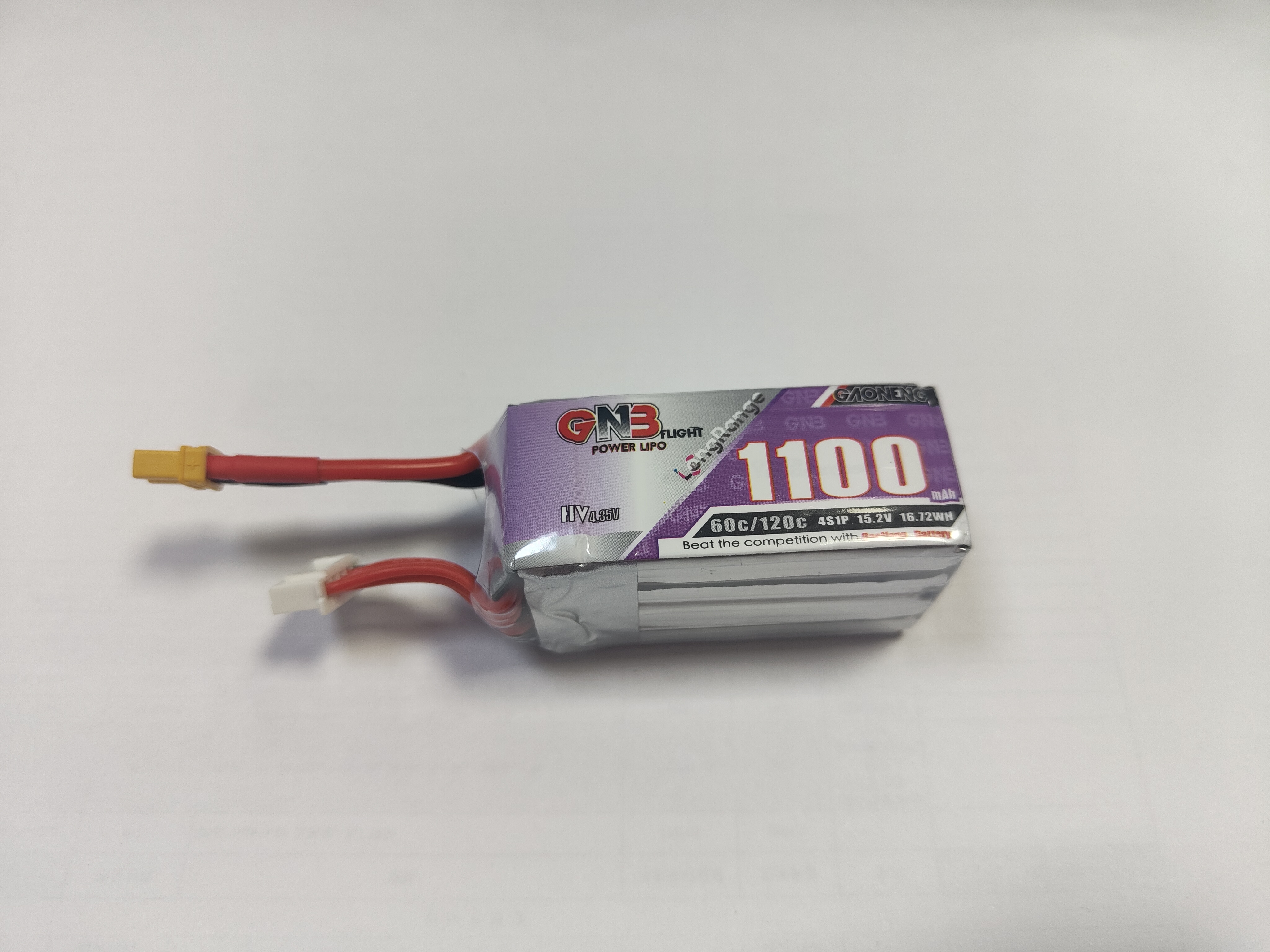
Sourcing Model Comparison: Pack Solutions, Cooperative Production, and In-House Manufacturing
| Sourcing Model | Buyer Benefit | Quality Consideration | Cost Consideration |
|---|---|---|---|
| Battery pack solution | The supplier designs and assembles the pack around a defined specification. | Quality depends on cell selection, process control, and documentation. | Reduces internal design workload and can shorten development time. |
| Cooperative production | Buyer and supplier share production tasks or quality oversight. | Clear responsibility splits and inspection agreements are required. | Can improve capacity planning and avoid duplicated investment. |
| In-house production after design | Supplier moves from design to self-manufacturing after the solution is confirmed. | Supplier controls more variables from cell to finished pack. | Can improve consistency and efficiency for large-volume orders. |
HCC's current business model includes battery pack solutions and cooperative production, with advanced battery production lines planned for the near future. This transition gives buyers a path from design support to volume production.
FAQ: Answering the Most Common Procurement Questions
Which certifications should a quality racing drone battery supplier have?
For export-oriented procurement, the relevant certifications depend on the destination market. HCC's related products have passed RoHS, UL, CE and other export certifications. The company also holds ISO 9001:2015, UL 1642:2020, UL 2054:2021, IEC 62133-2:2017, IEC 62619:2022, and a GB/T 29490-2013 intellectual property management certification. Buyers should always ask for certificates covering the exact battery model being quoted and verify that they are valid for the target market.
What supplier capabilities matter most when balancing cost and quality?
The most useful capabilities are independent R&D, process control, certification management, and the ability to handle both customized pack solutions and volume production. HCC has independent R&D capability, provides battery pack solutions and cooperative production, and will soon introduce advanced battery production lines to serve complex product orders and large-volume orders with better delivery efficiency.
How do you calculate the real budget for racing drone battery procurement?
Use total cost of ownership rather than unit price. Include expected lifespan, replacement frequency, failure risk, compliance risk, logistics, and downtime. A battery that costs less but fails during an event is usually more expensive than a slightly higher-priced pack that completes the mission reliably.
How should buyers use samples to verify quality before large orders?
Request samples with clear specification sheets and certification documents. Check physical dimensions, connector fit, discharge behavior, temperature performance, and consistency across multiple samples. Use the sample results to confirm that the supplier's production quality matches the quotation, not just to test one unit.
How can buyers protect cost and quality when lead times matter?
Share demand forecasts early and confirm the supplier's production capacity before placing an order. Clear packaging and shipping documentation also reduces delays. HCC is located at 1001, Unit 1, Building 2, Fangge Fenghuang Science and Technology Building, Guangshen Road NO. 218, Fenghuang Community, Fuyong Street, Bao'an District, Shenzhen, and can be contacted through sales@hcctop.com or +86 755 81461866 for sample, quote, and inquiry discussions.
Conclusion: The Cheapest Racing Drone Battery Is the One That Completes the Mission
The cheapest racing drone battery is not the one with the lowest invoice. It is the one that completes the mission with the lowest total cost.
Use clear specifications, documented quality, supplier evidence, and cost-per-flight thinking. Suppliers such as HCC show that certification coverage, R&D capability, and a clear production roadmap support a quality-conscious cost-control strategy.
If you are reviewing racing drone battery suppliers, start with the application and work backwards to the battery specification. Then compare quotes, check certifications, run samples, and plan lead time.
Next step for procurement teams: If you want to translate your racing drone battery requirements into a quality-controlled cost plan, send your specification to HCC.
Email: sales@hcctop.com | Phone: +86 755 81461866 | WhatsApp: +86 18682160604 | WeChat: Wangdh-HZT
Website: www.hcctop.com
Have Questions or Need More Details?
Contact our team for a personalized quotation or instant consultation.
Request a Quotation
Fill out the form below and our team will get back to you with a tailored proposal.
WhatsApp Direct Chat
Prefer to chat in real-time? Message us on WhatsApp for instant assistance & quick answers.
- Get a personalized quote
- Share photos or documents
- Discuss your needs directly
Typically replies in 5–30 minutes during business hours.