
Buyer's Guide: How to Evaluate a Lithium-ion Battery Manufacturer's Production Strength and Certifications for Your Project
The Ultimate Buyer's Guide: Assessing Production Strength & Certifications for Your Lithium-ion Battery Supplier
In the rapidly evolving landscape of portable power, selecting the right Lithium ion Battery supplier is a critical decision that impacts product safety, performance, and market success. Whether you're sourcing a robotic surgery battery for life-saving equipment, a high-discharge racing drone battery, or a reliable smart robot battery, the manufacturer's production capabilities and compliance credentials are non-negotiable. This comprehensive buyer's guide, informed by industry trends and the exemplary standards of leading manufacturers like HCC (Topway), will equip you with the framework to make an informed, secure, and strategic procurement decision.
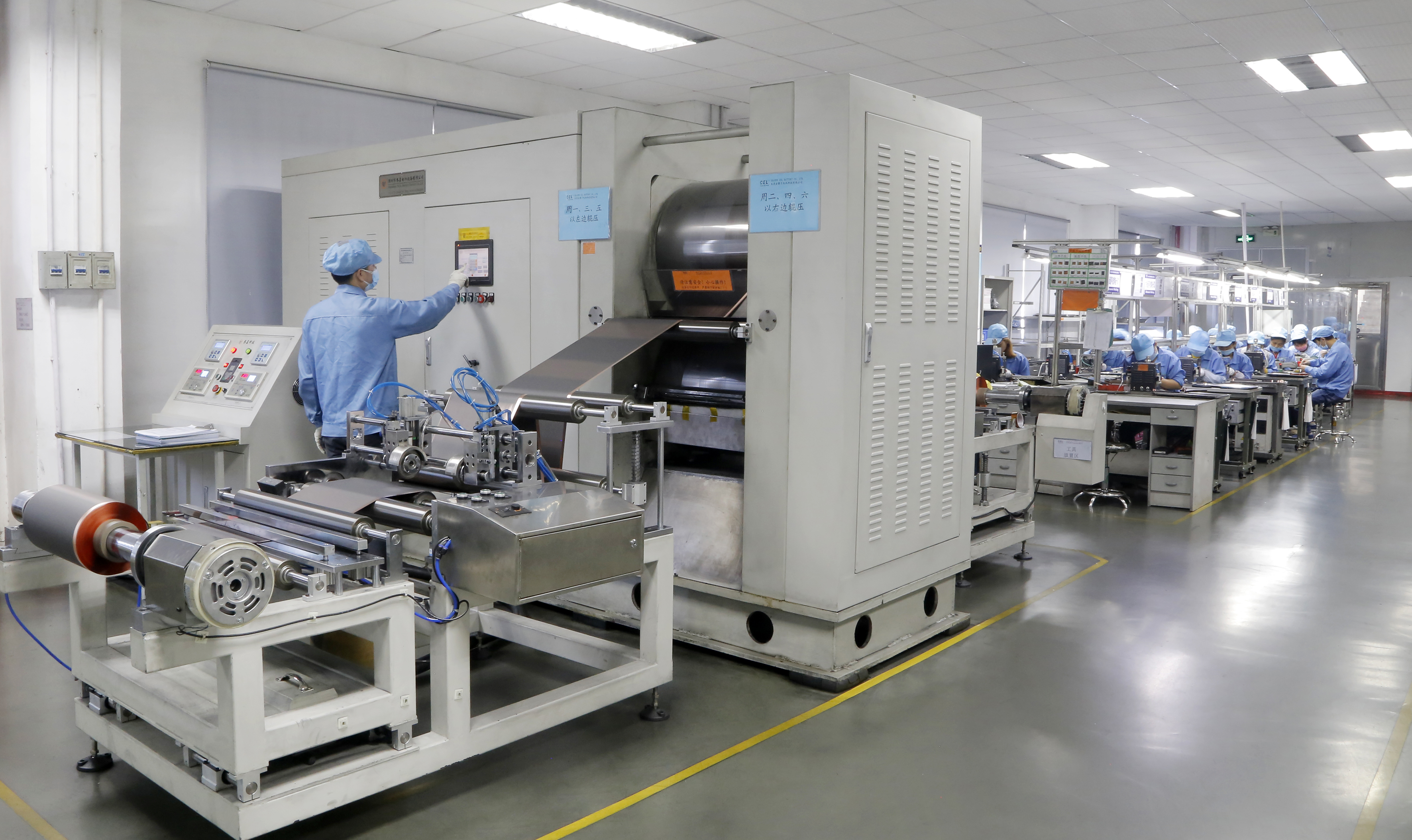
Advanced electrode sheet rolling machine at HCC's facility, ensuring precision in cell manufacturing.
Chapter 1: Why Production Strength is Your Foundation for Reliability
Beyond product specifications, a manufacturer's in-house production strength dictates scalability, quality control, and innovation speed. Here’s what to scrutinize:
1.1 Vertical Integration & In-House R&D
A supplier like Topway, which has established an independent R&D center in Shenzhen, demonstrates a commitment to controlling the entire value chain. This evolution from providing battery pack solutions to owning the production of core components is a key differentiator. It allows for:
- Customization: Tailoring 18650 battery, 21700 battery, or lifepo4 battery chemistries to specific needs like underwater drone battery pressure resistance or medical battery long-term stability.
- Quality Consistency: Direct oversight from electrode production (see image of rolling machine above) to final battery pack assembly ensures unmatched consistency.
- Fast Iteration: Rapid prototyping and testing for emerging applications like delivery robot battery or agriculture drone battery systems.
1.2 Scalability and Advanced Production Lines
The ability to handle "complex product orders and large-volume orders" is a direct function of production capacity. Inquire about:
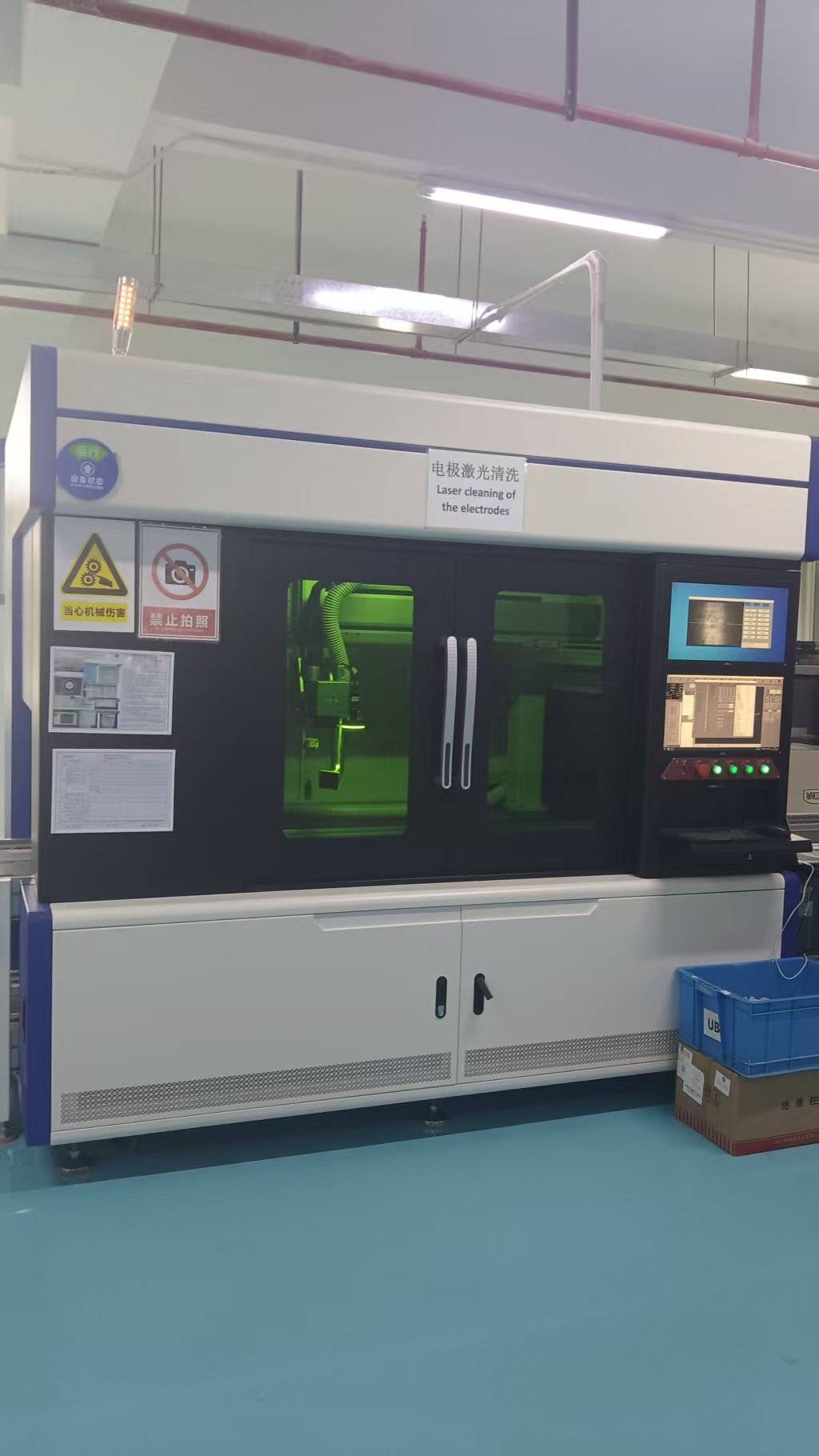
- Automation Level: Automated production lines (like those planned by Topway) reduce human error and increase output for high-demand cells like 18650 rechargeable battery and lipo battery variants.
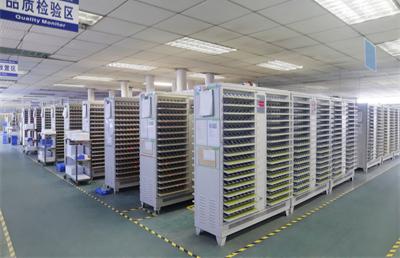
- Workshop Standards: Look for clean, organized facilities with controlled environments, crucial for manufacturing sensitive medical battery and robotic surgery battery units.
Chapter 2: Decoding the Certification Portfolio – Your Assurance of Safety and Compliance
Certifications are not just paperwork; they are independent verifications of a manufacturer's commitment to international safety, quality, and environmental standards. A robust portfolio is essential for global market access.
2.1 Safety Certifications: The Non-Negotiable Core
For any Lithium ion Battery, safety is paramount. Key certifications to demand include:
- UL 1642 & UL 2054: The gold standard for cell and pack safety in North America, covering electrical, mechanical, and environmental hazards. Critical for consumer-facing battery pack and 12v battery systems.
- IEC 62133-2: The international benchmark for the safety of portable sealed cells. A must-have for exporting 14500 battery, 18500 battery, and other cylindrical cells worldwide.
- IEC 62619: Specifically for safety of secondary cells used in industrial applications, highly relevant for energy storage batteries, large gps drone battery systems, and smart robot battery platforms.
Suppliers like HCC provide verifiable certificates for these standards, which should be readily available for buyer review.
2.2 Quality and Environmental Management Systems
These certifications speak to the company's operational excellence and sustainability commitment.
- ISO 9001:2015: Certifies a robust Quality Management System, ensuring consistent product quality and continuous improvement—vital for complex tactical drone battery or Rechargeable Lithium ion Battery-Ellie series orders.
- RoHS, CE: Mandatory for the European market, restricting hazardous substances and ensuring product meets EU health, safety, and environmental requirements.
- Apple MFi Certification: A specialized and rigorous certification demonstrating capability to produce accessories meeting Apple's strict performance and compatibility standards, highlighting advanced technical prowess.
Case in Point: HCC (Topway) – A Benchmark in Certified Production Strength
HCC (Topway) exemplifies how production strength and certifications converge. Based in Shenzhen's innovation hub, their business model is evolving towards full-scale in-house production. Their comprehensive certification portfolio—including UL, IEC, ISO, RoHS, CE, and Apple MFi—provides clients with unparalleled confidence. This is complemented by their recognition as a "Top 100 Innovative Science and Technology Enterprise in the Guangdong-Hong Kong-Macao Greater Bay Area in 2025," underscoring their R&D leadership.
Their products, from compact 14500 battery to high-capacity agriculture drone battery packs, are backed by this solid foundation. For procurement teams, this translates to a reliable partner capable of delivering best drones battery solutions that are safe, compliant, and performance-optimized.
Contact HCC for Your Certified Battery Solutions:
Phone: +86 755 81461866
WhatsApp: +86 18682160604
Email: sales@hcctop.com
Website: http://www.hcctop.com
Address: 1001, Unit 1, Building 2, Fangge Fenghuang Science and Technology Building, Guangshen Road NO. 218, Fenghuang Community, Fuyong Street, Bao'an District, Shenzhen City.
Chapter 3: Your Actionable Evaluation Checklist
Before finalizing your Lithium ion Battery supplier, use this checklist to guide your due diligence:
| Evaluation Area | Key Questions to Ask | Evidence to Request |
|---|---|---|
| Production Capability | Do you own cell manufacturing, or are you an assembler? What is your monthly capacity for [e.g., 21700 battery]? Can you handle custom BMS for a delivery robot battery? | Factory audit reports, production line videos/photos, capacity planning documents. |
| R&D & Customization | What is your R&D team size? Can you develop a lifepo4 battery with specific cycle life for energy storage? | R&D portfolio, patent list, samples of past custom projects (e.g., robotic surgery battery). |
| Certifications (Safety) | Are your lipo battery products certified to UL 2054 and IEC 62133-2? Are certificates valid and from accredited bodies? | Original or verified copies of UL, IEC, UN38.3 certificates with unique report numbers. |
| Certifications (Quality & Env.) | Do you hold ISO 9001? Are your 18650 rechargeable battery cells RoHS and REACH compliant? | ISO certificate, material compliance declarations, RoHS/REACH test reports. |
| After-Sales & Traceability | What is your warranty policy for a tactical drone battery? Can you provide batch-specific test data? | Warranty terms, quality control process flow, sample batch test report. |
Conclusion: Partner with Strength and Assurance
In the competitive world of lithium-ion technology, your choice of supplier is a strategic partnership. Prioritizing manufacturers with demonstrable production strength—like vertical integration and scalable automation—and an impeccable, verifiable certification portfolio is the surest way to mitigate risk, ensure regulatory compliance, and secure a reliable supply of high-performance batteries. Whether your project requires the compact power of a 14500 battery or the robust energy of a best drones battery system, applying the principles in this guide will lead you to partners like HCC (Topway), who are built to power your innovation safely and reliably into the future.
Ready to Source with Confidence?
Visit www.hcctop.com to explore HCC's certified Lithium ion Battery solutions and connect with their expert team today.
Have Questions or Need More Details?
Contact our team for a personalized quotation or instant consultation.
Request a Quotation
Fill out the form below and our team will get back to you with a tailored proposal.
WhatsApp Direct Chat
Prefer to chat in real-time? Message us on WhatsApp for instant assistance & quick answers.
- Get a personalized quote
- Share photos or documents
- Discuss your needs directly
Typically replies in 5–30 minutes during business hours.