
How to Select and Integrate the Right Energy Storage Battery for Your Solar System: A Comprehensive Guide by HCC (Shenzhen Topway)
How to Select and Integrate the Right Energy Storage Battery for Your Solar System
A Step-by-Step Technical and Commercial Guide for Homeowners, Installers, and Businesses
Industry Context: As global energy prices remain volatile and the demand for energy independence grows, integrating a solar battery with a photovoltaic (PV) system has moved from a luxury to a strategic necessity. The market is flooded with options—from lithium solar batteries to emerging sodium ion battery tech. This guide, backed by the engineering expertise of HCC (Shenzhen Topway), will help you navigate the selection and integration process to build a resilient, efficient, and cost-effective energy storage battery system.
Step 1: Assess Your Energy Needs and System Goals
Before looking at specific storage battery models, define your objectives. Are you aiming for:
- Backup Power (Solar Battery Backup): To keep critical loads running during grid outages.
- Self-Consumption Maximization: To store excess solar energy for use at night, reducing grid reliance.
- Load Shifting / Time-of-Use Optimization: To charge the battery when electricity is cheap and discharge when it's expensive.
- Off-Grid Independence: To power a remote home or cabin entirely.
Calculate your daily energy consumption (in kWh) and identify the power (kW) requirements of critical appliances. This will directly influence the capacity (Ah) and voltage (V) you need, such as a 12v 100ah battery for a small cabin or a robust 48v lithium ion battery system for a whole house.
Step 2: Understand Key Battery Technologies and Specifications
Not all energy storage batteries are created equal. Here’s a breakdown of the core technologies relevant to solar storage:
Lithium Iron Phosphate (LiFePO4)
The current gold standard for solar battery packs due to safety, long cycle life (3000+ cycles), and stability. Ideal for lifepo4 100ah battery configurations and larger solar battery 200ah systems. HCC specializes in high-performance lithium energy storage battery solutions using LiFePO4 chemistry.
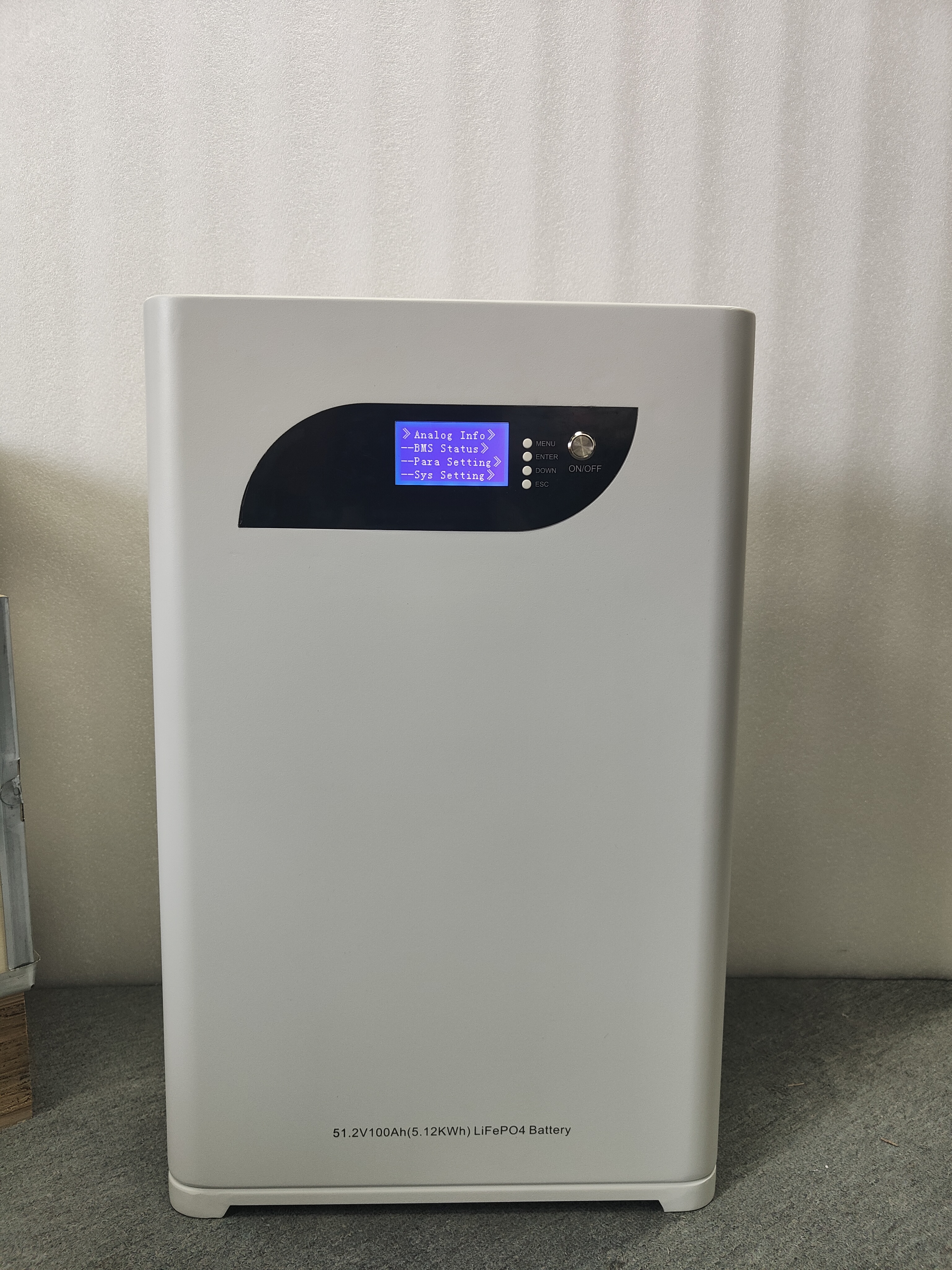
HCC's reliable lifepo4 100ah battery for residential energy storage.
Sodium-Ion (Emerging Tech)
Gaining attention as a potentially lower-cost and more sustainable alternative, especially for stationary storage. While energy density is currently lower than lithium, it excels in wide-temperature performance and resource abundance. HCC is actively monitoring and researching sodium ion battery developments for future product lines.
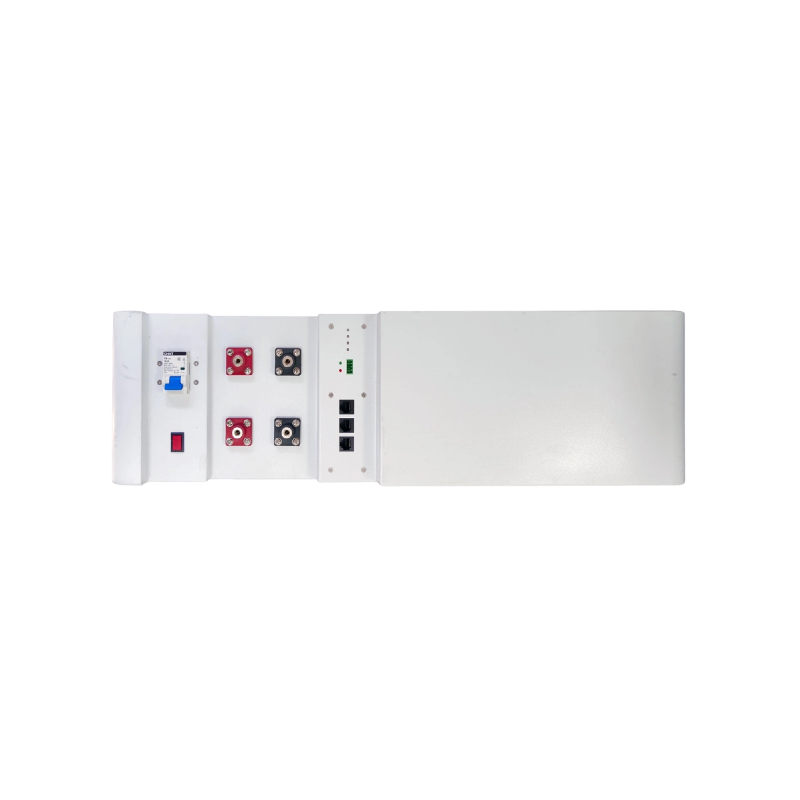
Conceptual design of a future sodium ion battery module.
Key Specs to Compare:
- Capacity (Ah/kWh): Total energy stored. A 200ah lithium battery at 48V stores ~9.6kWh.
- Voltage (V): Must be compatible with your inverter. Common are 24v lithium ion battery, 36v battery, and 48v lithium ion battery systems.
- Cycle Life: Number of charge/discharge cycles before capacity degrades to 80%.
- Depth of Discharge (DoD): Usable percentage of the battery's capacity. Quality LiFePO4 allows 90-100% DoD.
- Continuous Charge/Discharge Rate (C-rate): Determines how quickly you can pull power.
Step 3: Choose the Right System Configuration and Form Factor
Your installation space and scalability needs will guide this choice.
- All-in-One (Integrated) Systems: Often come as a wall mount battery 48V unit with a built-in inverter and charger. They are sleek and simplify installation. HCC offers solutions like a 5kw wall mounted battery that is perfect for residential retrofits.
- Modular Battery Packs: Allow you to start with a base solar battery pack and add more modules over time. This offers great flexibility and cost-spreading.
- Rack-Mount Systems: Best for large-capacity energy storage battery system installations in garages or utility rooms, offering high energy density.
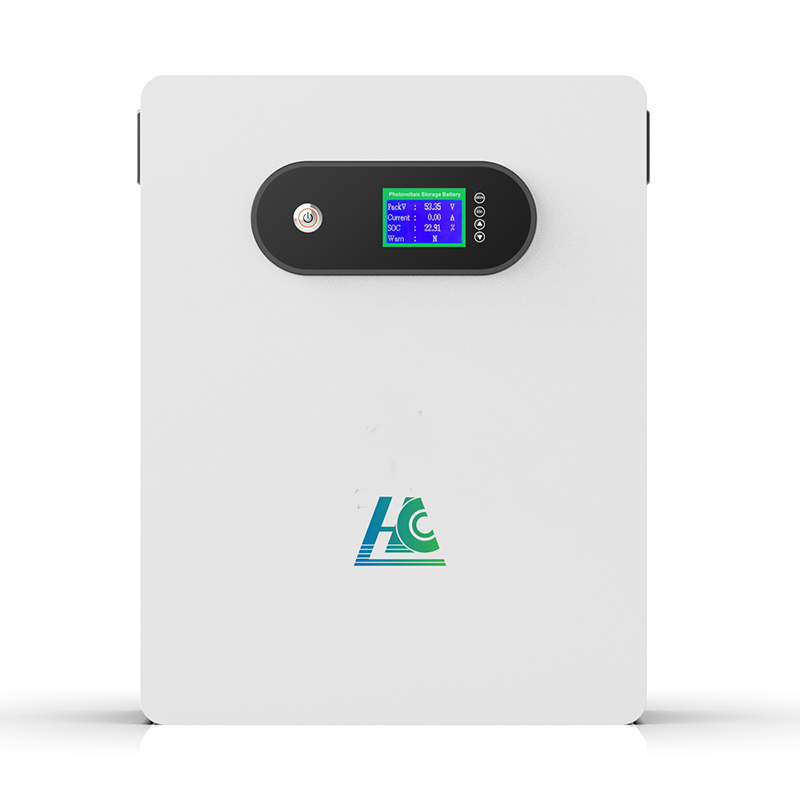
HCC's sleek and space-saving wall mount battery 48V design for modern homes.
Step 4: Prioritize Safety, Certifications, and Manufacturer Credibility
This is non-negotiable. A storage battery is a long-term investment and a potential safety hazard if substandard. Always verify:
- International Certifications: Look for UL, IEC, CE, and RoHS marks. These ensure the product meets stringent electrical, safety, and environmental standards.
- Built-in Battery Management System (BMS): A quality BMS protects against overcharge, over-discharge, short circuits, and thermal runaway.
- Manufacturer's Track Record: Choose a partner with proven R&D, production quality, and after-sales support.
Why HCC (Shenzhen Topway) Stands Out as Your Trusted Partner
As a leading Chinese energy storage battery manufacturer, HCC embodies engineering excellence and reliability:
- Independent R&D & Future-Forward Production: Based in Shenzhen, Topway has established its own sales and R&D center. The company is evolving from providing battery pack solutions to launching its own advanced production lines. This vertical integration allows HCC to better serve complex, high-volume orders with efficient, high-quality delivery. Visit www.hcctop.com to explore their capabilities.
- Comprehensive Product Portfolio: From solar battery 48V and solar battery 200ah units for homes to golf cart battery solutions for mobility, HCC covers a wide spectrum of lithium solar batteries and energy storage battery system needs.
- Rigorous Certification & Quality Assurance: HCC products are not just claims; they are validated. The company holds a suite of international certifications, ensuring global market compliance and safety:
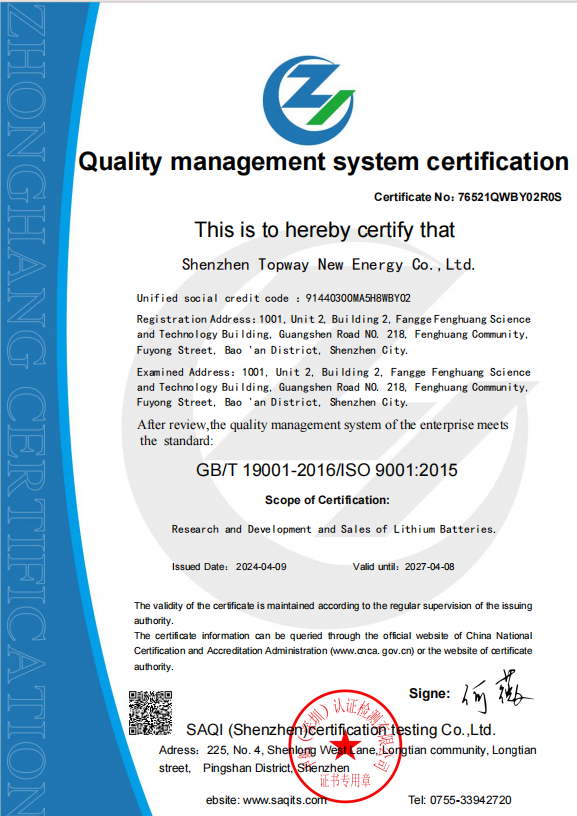
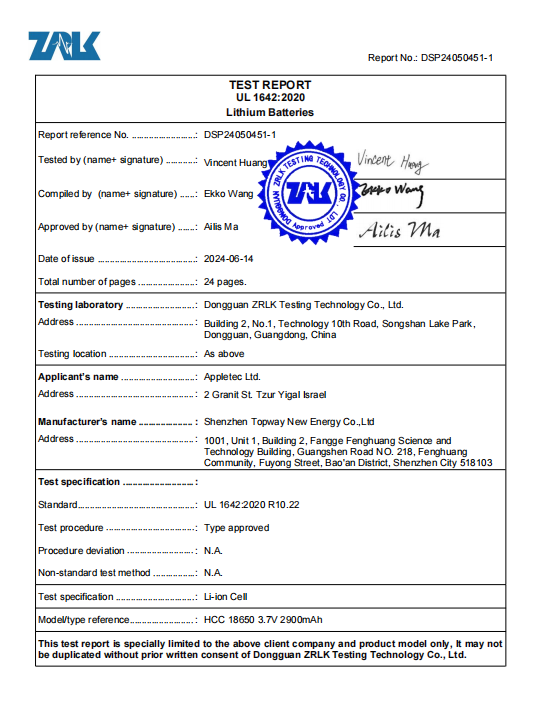
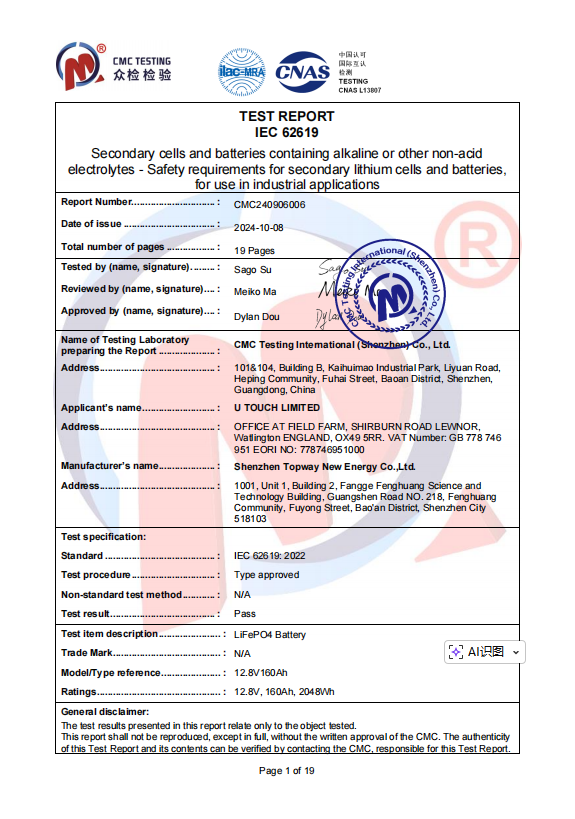

(Certifications: ISO 9001, UL 1642, IEC 62619, and recognition as a Top 100 Innovative Enterprise in the Greater Bay Area)
- Global Support: With products exported worldwide and a dedicated support team, HCC ensures you are never alone. Contact them for technical consultation: Phone: +86 755 81461866, WhatsApp: +86 18682160604, Email: sales@hcctop.com.
Step 5: Plan for Professional Installation and Future Maintenance
Even the best solar energy storage battery requires proper installation. Work with a certified solar installer who understands electrical codes and battery integration. Discuss:
- Optimal location (cool, dry, ventilated).
- Proper wiring and conduit.
- Integration with your existing solar inverter or choosing an inverter-compatible battery like HCC's solar battery pack solutions.
- Setting up system monitoring via an app or web portal.
For maintenance, most modern lithium energy storage batteries are largely maintenance-free. However, periodic visual checks and monitoring performance data are recommended.
Conclusion: Power Your Future with Confidence
Selecting the right storage battery is a critical decision that impacts your energy resilience, electricity bills, and carbon footprint for years. By following this guide—assessing needs, understanding tech, prioritizing safety, and choosing a credible partner like HCC (Shenzhen Topway)—you can build a solar battery backup system that is not just a purchase, but a long-term investment in independence and stability.
Ready to engineer your future of power? Begin your journey with a trusted leader. Explore HCC's certified solar battery solutions today at http://www.hcctop.com.
Have Questions or Need More Details?
Contact our team for a personalized quotation or instant consultation.
Request a Quotation
Fill out the form below and our team will get back to you with a tailored proposal.
WhatsApp Direct Chat
Prefer to chat in real-time? Message us on WhatsApp for instant assistance & quick answers.
- Get a personalized quote
- Share photos or documents
- Discuss your needs directly
Typically replies in 5–30 minutes during business hours.