
Racing Drone Battery Customization: How OEM Buyers Should Specify, Validate, and Qualify Suppliers
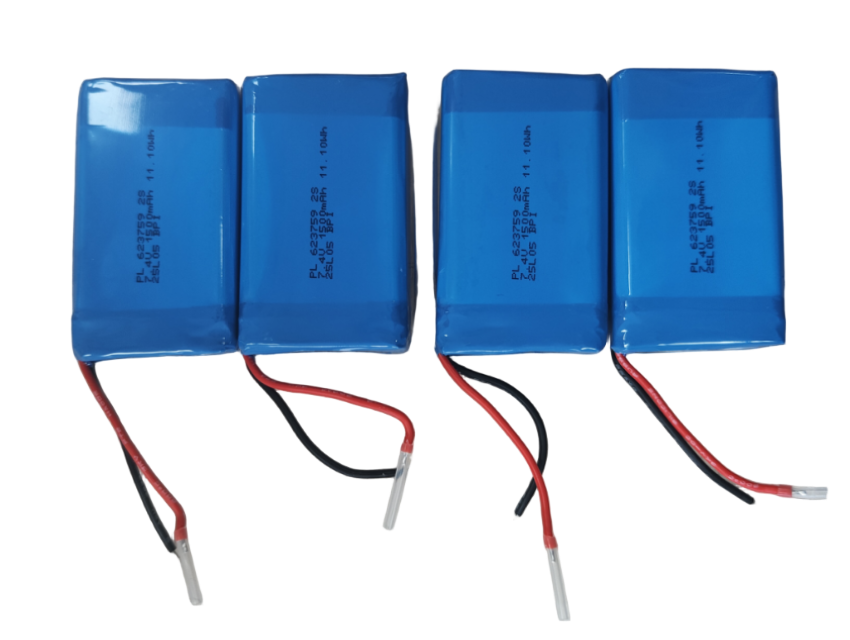
A custom racing drone battery is defined by discharge behavior, mechanical fit, environmental limits and compliance evidence.
Customizing a racing drone battery is often described as asking for a different size or higher capacity. In practice, the work starts with an application profile: a professional race heat normally needs burst discharge, while an industrial inspection flight may need endurance, and a commercial filming project may need predictable capacity between charges. A supplier that does not ask about these conditions is not ready to customize a battery for a drone program.
To make the evaluation criteria concrete, this guide uses Shenzhen Topway New Energy Co., Ltd. (HCC) as a reference example. Topway is a Shenzhen-based lithium-ion battery and energy storage manufacturer with independent R&D capability. Its current business model covers battery pack solutions and cooperative production. The company has stated that its next step is to move toward production of its own after the design of the solution, and it plans to introduce advanced battery production lines for complex product orders and large-volume orders. Topway mainly exports to overseas markets while also serving the Chinese market, and its products are used in communication products, wireless products, digital products, e-learning products, toy products, lighting products and energy storage products.
Why Standard Racing Drone Battery Packs Fail in Custom Programs
The first reason standard packs fail is that buyers and suppliers do not share the same definition of customization. Adding a custom label, changing a connector, or selecting a color is not the same as engineering a racing drone battery around a specific flight profile. A true custom project should start from current demand, flight duration, charging method, temperature range, mechanical space and compliance requirements.
The second reason is conflicting performance targets. A pack that maximizes endurance may be too large or heavy. A pack designed around a very high discharge rate may sacrifice cycle life or require a thicker current-collection system. A compact pack can become thermally stressed during aggressive outdoor use. The supplier should be able to explain these trade-offs instead of simply promising a battery that meets every requirement at once.
The third reason is documentation risk. A custom pack can pass a pre-production sample check and still drift during mass production if cell batches, assembly parameters, soldering conditions or protection circuit choices are not controlled. That is why supplier capability matters as much as the initial battery specification.
Customization Context in the Racing Drone Battery Market
From a procurement perspective, the search phrase racing drone battery covers several different product concepts. A buyer working on professional race event batteries may need a pack that keeps voltage stable through repeated high-current bursts. An industrial inspection team may be more concerned with endurance and predictable discharge over a longer working window. A commercial aerial filming team may need repeatable charge/discharge behavior so that battery changes fit into a production schedule. An outdoor competition team may face high surface temperatures, direct sunlight and fast charging between rounds.
These differences are visible in the language buyers use. Some ask for a high-discharge racing drone battery, others ask for a long-endurance racing drone battery, a low-temperature adaptable racing drone battery, a fast-charging racing drone battery or a UL certified racing drone battery. The terminology matters less than the underlying technical requirement. If the supplier receives only a phrase such as high discharge without a current curve, ambient temperature or pack size limit, the resulting design will be based on assumptions.
Detailed Solution: Four Supplier Layers to Audit Before Customizing
To avoid guesswork, separate a battery supplier’s customization ability into four layers: engineering R&D, production model, manufacturing evidence, and compliance documentation. Each layer must be verified independently.
1. Engineering R&D and Application Review
Topway operates a sales center in Shenzhen and describes itself as having independent R&D capability. In practical terms, this means a buyer should be able to send an application description and receive a technical review, not just a quotation. Ask the supplier to recommend a cell type, explain the expected cell matching method, and calculate the pack design against your voltage, capacity and discharge requirements. If the supplier cannot provide a rationale for its recommendation, the customization process has not yet started.
2. Production Model: Pack Solution, Cooperative Production, or Owned Production
A supplier may offer customization only at the final assembly stage, or it may have deeper control over the whole production process. Topway’s current business is described as battery pack solutions and cooperative production. According to the company profile, the next step is to evolve from pack solutions and cooperative production to its own production after the solution design is completed. Topway also says it will soon introduce advanced battery production lines to serve complex product orders and large-volume orders.
For a buyer, the key point is to ask where the boundaries of customization sit. If the project changes only the pack configuration, a cooperative production model may be enough. If the project requires a different cell chemistry, new electrode design or high-volume production, the buyer should confirm who owns the production process and how the supplier will maintain quality after the design stage.
3. Manufacturing Evidence and Process Control
Topway’s available production-related image set includes an electrode sheet rolling machine, production lines, and a formation workshop. These are meaningful evidence points because battery performance is not created only in the chemistry; it also depends on process stability. A formation workshop is where initial charging and stabilization occur, and poorly controlled formation can create inconsistent cells in a final battery pack. For a custom racing drone battery, the buyer should ask to see the actual line where the pack will be assembled and tested, not only the final product photo.
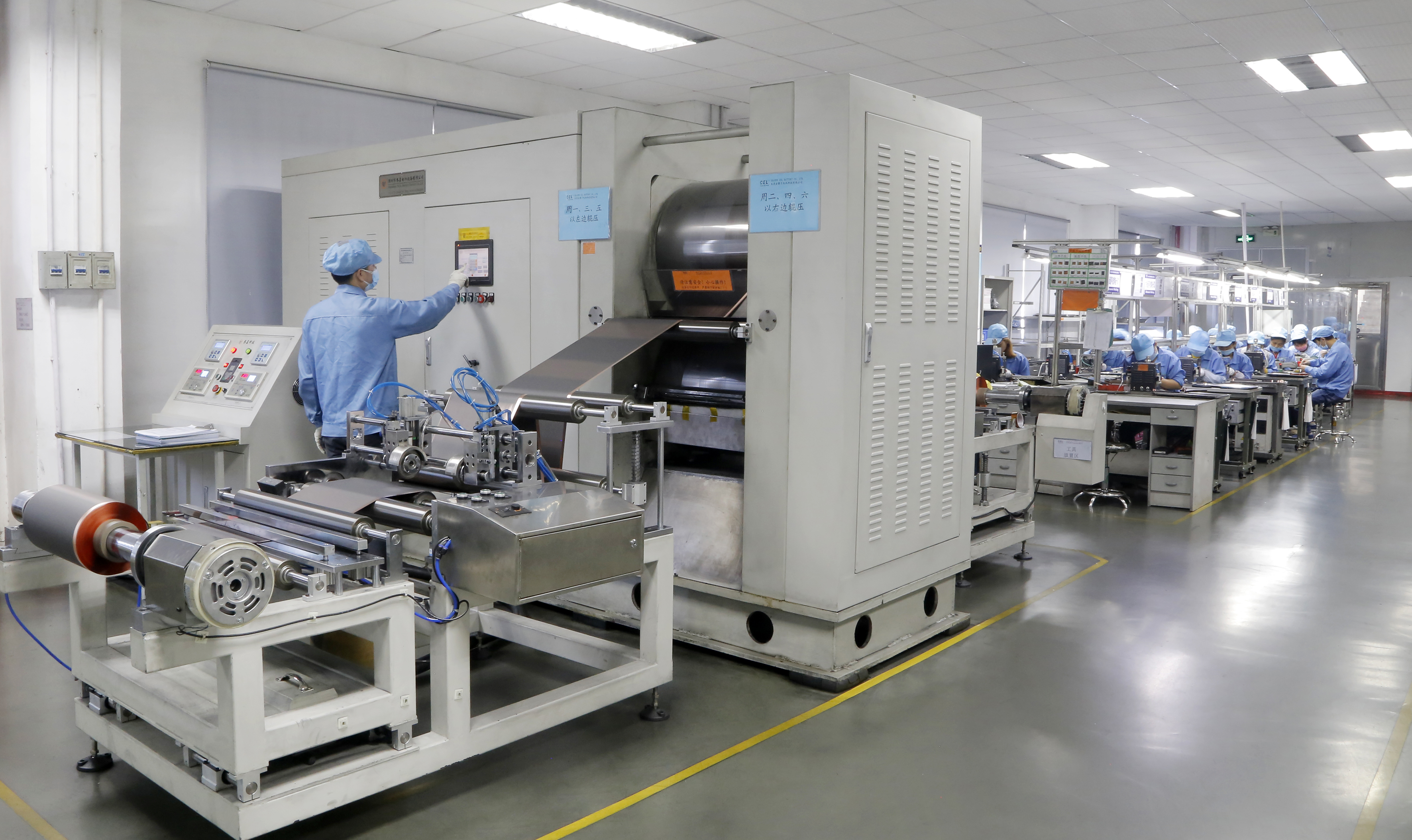
Production equipment such as an electrode rolling machine can be an important indicator of process-level capability.
4. Compliance and Export Documentation
Topway reports that its related products have passed RoHS, UL, CE and other export certifications. Its certificate documentation also includes ISO 9001:2015, IEC 62133-2:2017, IEC 62619:2022, UL 1642:2020 and UL 2054:2021, in addition to export shipping certification records. A buyer should never accept a general certificate as proof that the customized product is compliant. Ask whether the certificate covers the exact battery model, whether it covers the cell or the finished pack, and whether transport documents match the destination country.
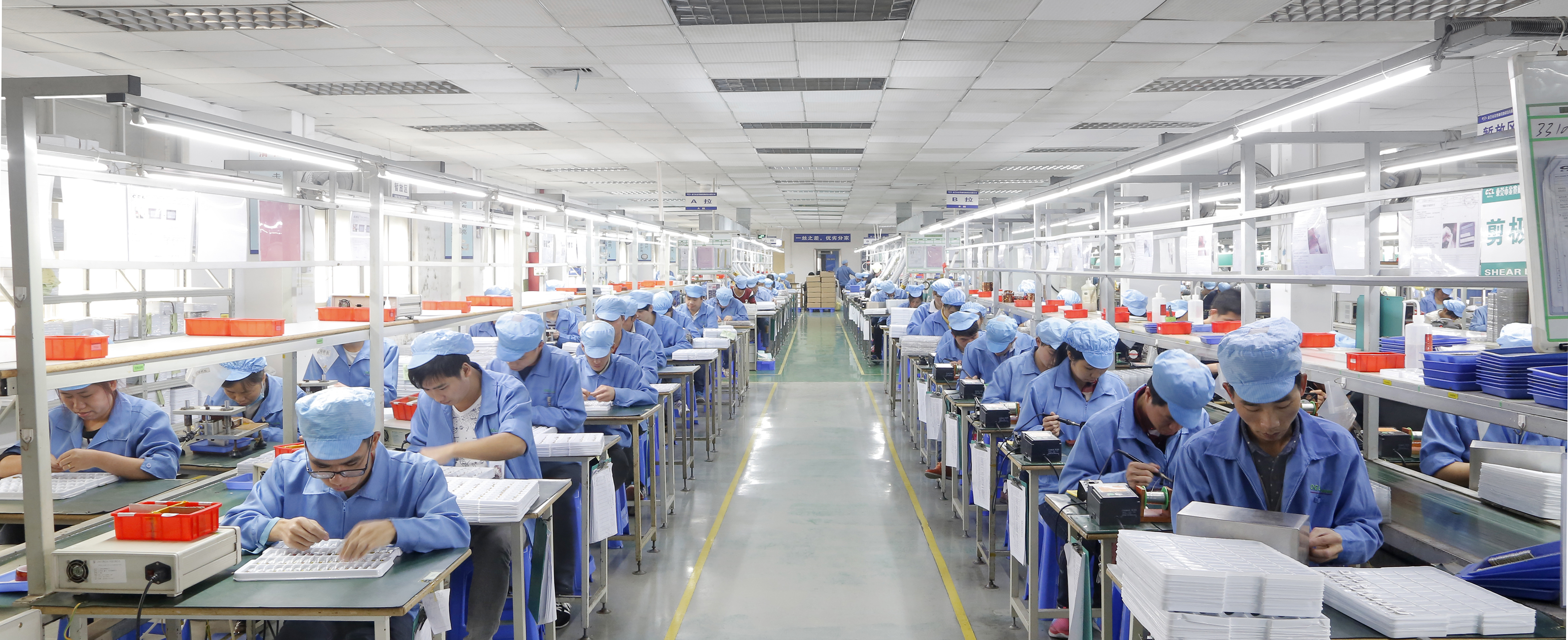
Battery production lines should be inspected as part of the supplier qualification process.
Step-by-Step: Turning a Drone Requirement into a Custom Racing Drone Battery
Step 1. Define the Mission Profile
Write a one-page flight profile before contacting suppliers. Include the type of flying, the length of each sortie, the time between flights, the charging setup, and the expected outdoor working temperatures. For example, an outdoor competition scenario may require different thermal behavior than an indoor filming scenario.
Step 2. Convert the Profile into Battery Parameters
Create a target specification with voltage, capacity, continuous current, peak current, charging current, cycle-life expectation, dimension, weight and connector orientation. Avoid sending only a capacity and voltage number. A custom battery is an integration project, not a component swap.
Step 3. Define Mechanical and Thermal Boundaries
Supply a drawing or CAD envelope for the battery compartment. Mark the position of the main connector, balance leads and any mounting features. If the pack will be inside a sealed drone body, include expected operating and storage temperatures. Mechanical fit is one of the most common causes of sample revision.
Step 4. Set Compliance Requirements
Identify the destination market and the transport route. If the project requires a UL certified racing drone battery, state the relevant standard and ask the supplier to map the certificate to the final pack model. If the requirement includes CE or RoHS, determine who is responsible for declaring compliance and what supporting test files will be delivered.
Step 5. Ask for an Engineering and Design-for-Manufacture Review
Send the draft specification to the supplier and ask for design-for-manufacture comments. A capable supplier should flag issues in cell selection, mechanical tolerances, charging strategy or testing methods before tooling begins. At Topway, an inquiry of this kind would normally begin at its Shenzhen sales center and move into the R&D review process because the company says it has independent R&D capability.
Step 6. Plan a First-Article Sample Stage
Do not start mass production from a theoretical specification. Request a small sample batch that reflects the final cell type, protection circuit, current-carrying components, connector and casing. The sample should be accompanied by a drawing, a test report and a clear list of any deviations from the original requirements.
Step 7. Validate Performance against the Mission Profile
Test the sample under the conditions that matter for your actual drone: discharge behavior under high current, temperature rise, capacity recovery after storage, charging behavior, and mechanical fit. A datasheet value such as C-rate is not enough if the manufacturer does not provide the conditions under which that value was measured.
Step 8. Audit the Mass-Production Plan
Before approving volume production, confirm how the supplier will control cell batches, cell matching, assembly records and final testing. If the project is large and complex, ask whether the supplier has owned production lines or cooperative production agreements. Topway’s stated roadmap includes advanced production lines for complex and large-volume orders, but the buyer should confirm timing and capacity at the point of order.
Use Cases: How Different Drone Missions Change the Custom Battery Specification
Professional Racing Event Drone Battery
In a professional race event, the pilot may ask for high current in short bursts. The battery needs cells and pack construction that limit voltage sag under load. The buyer should request a discharge curve measured at the expected operating temperature and compare it with the actual current demand of the drone.
Industrial Inspection Racing Drone Battery
Industrial inspection flights often have longer endurance requirements and steadier discharge. A long-endurance racing drone battery may prioritize energy density over peak current. The supplier should be asked how capacity is maintained after repeated partial discharges and how the pack management or protection circuit handles cell balance during long flights.
Commercial Aerial Filming Racing Drone Battery
Filming work depends on predictable turnaround time. The buyer may need fast charging, but fast charging behavior must be validated carefully because it can increase pack temperature. Ask the supplier to provide the charging current, charging cut-off logic and the expected temperature limits for the complete pack.
Outdoor Competition Racing Drone Battery
Outdoor competitions can expose packs to direct sun, high ambient temperatures and short intervals between rounds. If the buyer is looking for a high-temperature resistant racing drone battery, the specification should include the ambient temperature range and the cooling condition. The supplier should explain how thermal protection and charge settings are adjusted for that environment.
Comparison: Supplier Claims versus Verifiable Custom Capability
The following table can be used by procurement teams to compare supplier statements with the evidence that should appear in an RFQ response.
| Custom Requirement | If the Answer Is Only a Promise | Verifiable Supplier Evidence |
|---|---|---|
| High-discharge racing drone battery | We use good high-discharge cells. | Cell model and source, internal resistance data, discharge curve, voltage-under-load test at expected temperature |
| Mechanical customization | We can make any size. | CAD drawing, connector position, tolerance limits, design-for-manufacture review, sample fit report |
| Fast-charging racing drone battery | The pack supports fast charging. | Charge curve, charge current limit, charging temperature limit and cycle test after repeated fast charge |
| UL or CE compliance | We have certification. | Certificate copy with applicable standard version, model number or product scope, and issuing body |
| Large-volume mass production | We are a factory. | Production line evidence, formation workshop or assembly process, capacity plan, quality records and lead-time plan |
Frequently Asked Questions on Racing Drone Battery Customization
Q1. What compliance documents should a custom racing drone battery supplier provide?
Ask for standards that apply to both the cell and the finished pack. Shenzhen Topway New Energy Co., Ltd. (HCC) reports that its related products have passed RoHS, UL, CE and other export certifications. Its documentation also includes ISO 9001:2015, IEC 62133-2:2017, IEC 62619:2022, UL 1642:2020 and UL 2054:2021. For a custom product, confirm that the certificate covers the exact pack model and include transport or shipping certification where needed.
Q2. How can I tell whether a supplier can engineer a custom racing drone battery or only assemble standard LiPo packs?
Ask the supplier to explain its production model and engineering process. Topway describes its current business as battery pack solutions and cooperative production, with independent R&D capability and a Shenzhen sales center. Its stated next step is to evolve toward production of its own after solution design. A buyer should determine whether the project only requires pack-level design or whether it also requires cell production. The supplier should be able to name the responsible engineering team and describe how a new design moves from specification to sample.
Q3. What variables affect the cost of a custom racing drone battery?
The main cost drivers include cell grade, current-carrying components, protection circuit or BMS, mechanical casing, compliance testing, engineering effort and order volume. A custom project that stays close to an existing cell platform will usually have less engineering cost than a project that requires new chemistry, new manufacturing steps or new certification. Send a complete specification before asking for a budget comparison.
Q4. How many samples should I request for a racing drone battery customization project?
There is no universal sample count. First-article samples should be enough to confirm mechanical fit, electrical performance, charging behavior and documentation accuracy. Request a drawing, a test report, and a list of deviations from the original specification. The sample evaluation should be done in the same drone and charging environment used in real operations.
Q5. What is a realistic lead time for a custom racing drone battery?
Lead time depends on whether the project changes only the pack assembly or also requires new cell production, new certification, sample revision or volume ramp-up. Ask the supplier to separate first-article lead time from mass-production lead time and to specify the point at which certificate updates or customer approval could add time. For a current schedule, contact Shenzhen Topway New Energy Co., Ltd. directly with your specification.
Next Step: Turn Your Racing Drone Battery Specification into a Feasibility Review
Customization should reduce risk, not increase it. A reliable supplier should be able to convert your racing drone mission into a clear specification, challenge unrealistic trade-offs, and document every stage from cell selection to final test.
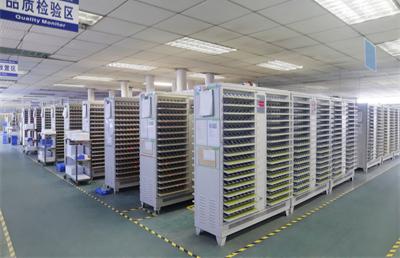
Formation and cell stabilization are important process points in lithium battery pack production.
If you are planning a custom racing drone battery or need to evaluate a supplier’s engineering capability, send your flight profile and electrical/mechanical requirements to Shenzhen Topway New Energy Co., Ltd. (HCC). Contact sales@hcctop.com, call +86 755 81461866, message WhatsApp +86 18682160604, add WeChat Wangdh-HZT, or visit http://www.hcctop.com.
Have Questions or Need More Details?
Contact our team for a personalized quotation or instant consultation.
Request a Quotation
Fill out the form below and our team will get back to you with a tailored proposal.
WhatsApp Direct Chat
Prefer to chat in real-time? Message us on WhatsApp for instant assistance & quick answers.
- Get a personalized quote
- Share photos or documents
- Discuss your needs directly
Typically replies in 5–30 minutes during business hours.