
Racing Drone Battery Application Guide: Matching Packs to Tracks & Weight Classes
Racing Drone Battery Application Guide: Matching Packs to Tracks & Weight Classes
Application guide for racing teams, distributors and procurement buyers · Shenzhen Topway New Energy Co., Ltd. (HCC)
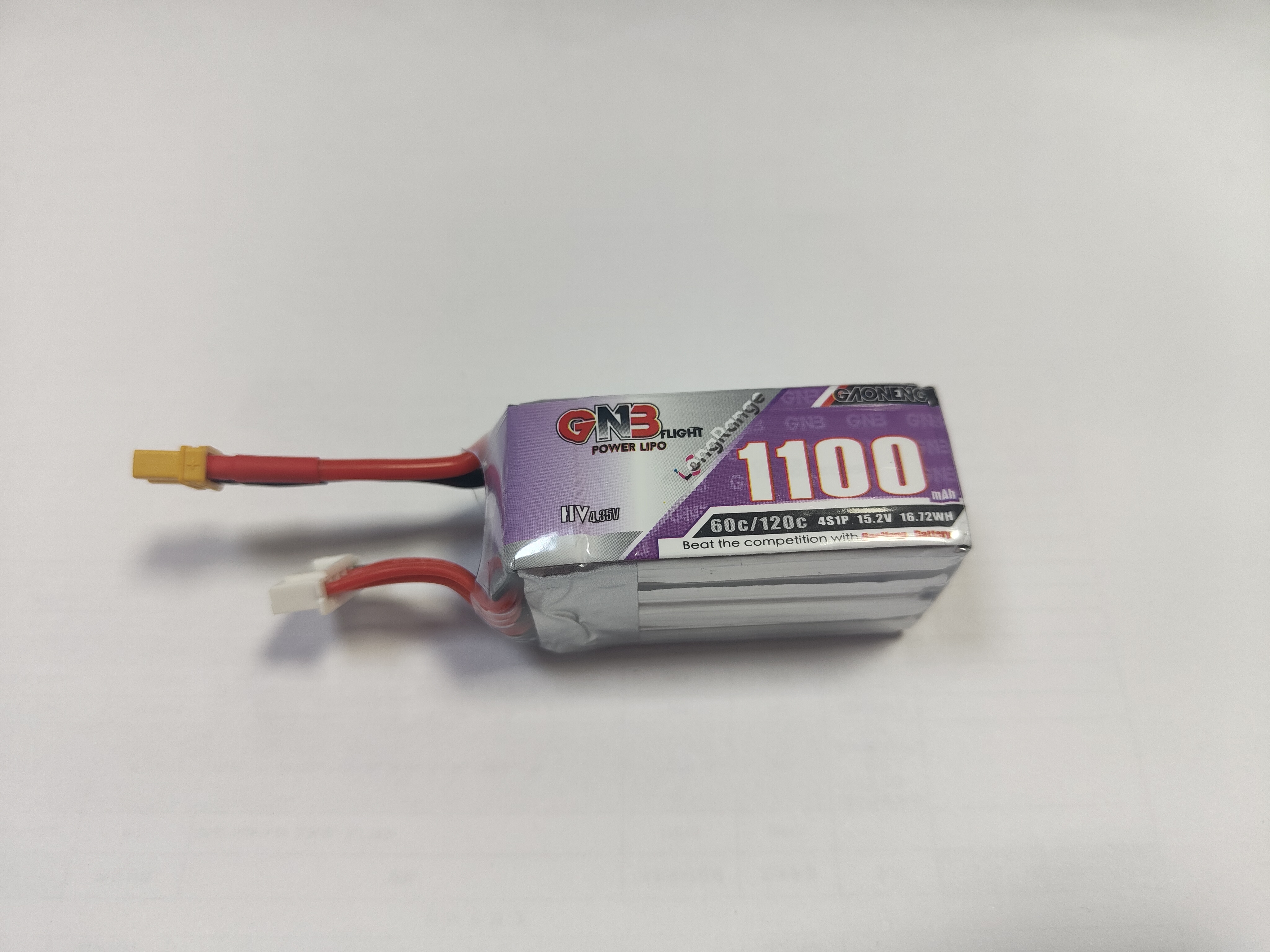
A racing drone battery should be selected by matching one pack to three constraints at the same time: the power profile of the track, the weight budget of the airframe class, and the technical requirements the event applies at inspection. Capacity and discharge labels decide very little on their own. The same pack that suits a short indoor technical heat can be the wrong pack on an outdoor speed course, and a pack that flies well can still be refused at scrutineering when its documentation does not match what the organizer asks for.
This guide sets out that matching process for racing teams, distributors, and procurement staff buying racing drone batteries for competition and for professional flight work. It covers indoor technical tracks, outdoor speed courses, regulated event formats, and two non-competition missions that use the same hardware — industrial inspection and commercial aerial filming. Battery facts here are limited to Shenzhen Topway New Energy Co., Ltd. (HCC), a Shenzhen-based battery supplier with independent R&D capability whose products have passed RoHS, UL and CE export certifications, and to the certification scope documented for its cells and packs. Exact capacity, discharge, and temperature values must always come from the supplier's test data for the specific pack being purchased.
The Matching Problem: Why One Pack Cannot Cover Every Race
A racing drone battery is usually bought on two numbers — capacity and discharge label — and then replaced after the first season. The mismatch shows up in four predictable ways, and none of them is a product defect. Each is a specification failure caused by buying the pack before defining the race.
- Mass penalty. A capacity-first purchase adds weight to an airframe whose class is defined by all-up weight. The extra energy is then spent carrying the pack itself, and the pilot loses the agility the class was designed to reward.
- Energy shortfall. A discharge-first purchase delivers current well but runs out of usable energy before the heat ends, forcing throttle management in the final section of the course where the lap time is actually won or lost.
- Compliance failure. Documentation is treated as paperwork until a pack arrives without a certificate that matches its model designation, or without the labelling the organizer's inspection desk expects.
- Charge-logistics failure. A pack that performs correctly but cannot be recharged quickly enough between heats reduces the number of runs a team can complete from a fixed number of packs, which is a purchasing problem, not a flight problem.
The fix is procedural: define the race first, then the weight budget, then the documentation, and only then the pack.
Industry Background: Why Track Type Now Drives Battery Specification
Competitive drone flight has separated into recognisably different disciplines. Indoor technical tracks reward control, repeated throttle transitions and low mass. Outdoor speed courses reward sustained current delivery and thermal stability across a longer, hotter run. Regulated events add a third layer that has nothing to do with flight at all: inspection, labelling, and documentation. As these formats diverged, the idea of a single best racing drone battery gave way to the idea of a pack matched to a format.
The same shift happened outside competition. Industrial inspection crews flying racing-derived airframes around structures, and commercial aerial filming teams flying proximity work, adopted high-discharge lithium polymer packs because those packs deliver the instantaneous current that aggressive manoeuvring requires. Their priorities, however, are different: repeatable behaviour across many flights, tolerance of site temperature, and a documented certificate set that a client's safety review can accept.
On the supply side, this has pushed buyers to look for suppliers that can hold several pack configurations within one relationship rather than sourcing each configuration from a different vendor. HCC describes its business as evolving from the provision of battery pack solutions and cooperative production toward in-house production following solution design, with advanced battery production lines planned, and positions that change as a way to serve complex product orders and large-volume orders with a more efficient, higher-quality delivery experience.
The Three-Constraint Matching Framework
A pack that satisfies all three constraints is the correct pack. A pack that satisfies two is a compromise that must be documented before the first race, not discovered during it.
Constraint 1 — Track power profile
Ask how throttle is used over the run. A course built from short bursts and direction changes draws current in pulses and rewards a pack that holds voltage under rapid load steps. A course built from long straights and sustained full throttle draws current continuously and rewards a pack that holds voltage under sustained load. These are different demands on the same specification sheet, and a buyer who does not separate them will end up comparing packs that were never designed for the same job.
Constraint 2 — Weight class budget
Weight classes group entries by all-up flying weight, with thresholds set by the organizer. The pack is normally the largest single mass item a team can change, which makes it the primary tuning lever for class compliance. The correct approach is to establish the mass allowance first, then choose the highest-capacity pack that fits inside it with margin for connectors, straps and balancing hardware.
Constraint 3 — Event regulation and documentation
Event rulebooks differ by organizer and by country, and this guide does not interpret any specific sanctioning body's rulebook. What can be stated generally is the category of requirement: packs are inspected, may be weighed, may be required to carry identification, and may be required to be accompanied by safety documentation. Buyers should obtain the organizer's written pack requirements before ordering, and should keep that document with the purchase order so the supplier can match the certificate to the exact model being entered.
What HCC supplies within this framework
HCC's main business is energy storage batteries and lithium-ion batteries, with products exported to overseas markets alongside the Chinese market, and the company provides battery pack solutions as well as cooperative production. For a racing programme that needs more than one pack configuration, that means the track-type and weight-class variations described in this guide can be specified within a single supplier relationship, with a single documentation set. HCC's related products have passed RoHS, UL and CE export certifications, and its documented certificate set includes cell-level, pack-level and quality-management evidence (set out in the comparison table below).
Matching Packs to Track Types
Indoor technical tracks
Indoor courses are usually short, tight and built from repeated direction changes. Two characteristics dominate the decision. First, mass: every gram carried into a technical section has to be turned and stopped again, so a lighter pack that completes the run without running out is generally the better choice than a larger pack flown gently. Second, voltage behaviour under pulse load, because the pilot needs consistent response through the whole run rather than a strong first third. Long-endurance capacity has low value here; discharge consistency has high value.
Outdoor speed courses
Outdoor speed work reverses the priority. Sustained current delivery matters more than mass, because the pack is asked to hold voltage through long full-throttle sections. Thermal behaviour becomes a specification item rather than a background concern: a pack worked continuously will heat, and a pack that is specified for thermal stability will behave more predictably across successive heats. For this environment, buy on discharge capability and thermal evidence, then trim capacity back to the mass allowance rather than starting from capacity.
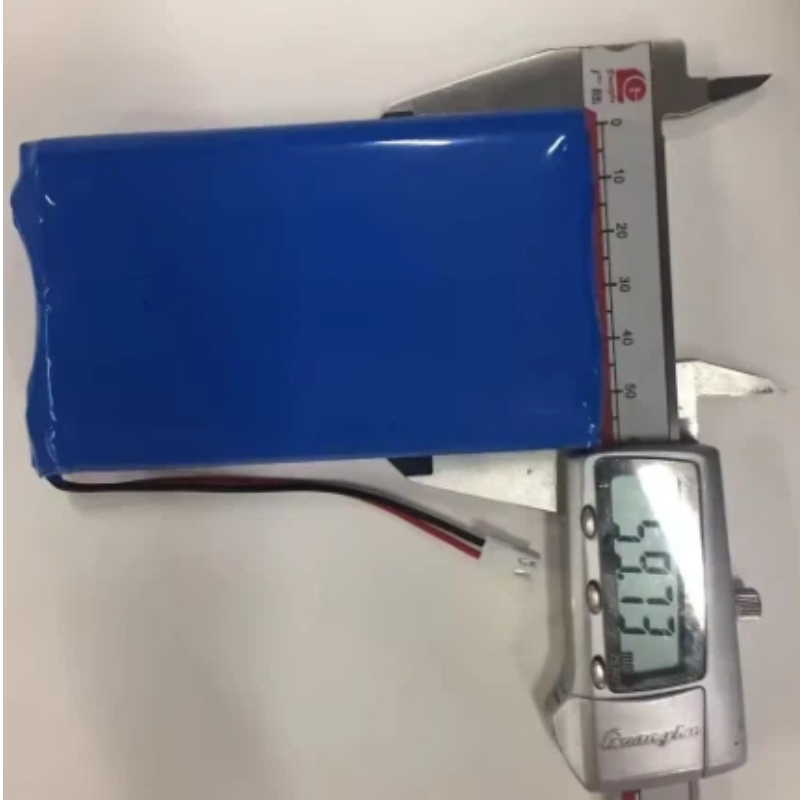
Regulated event formats
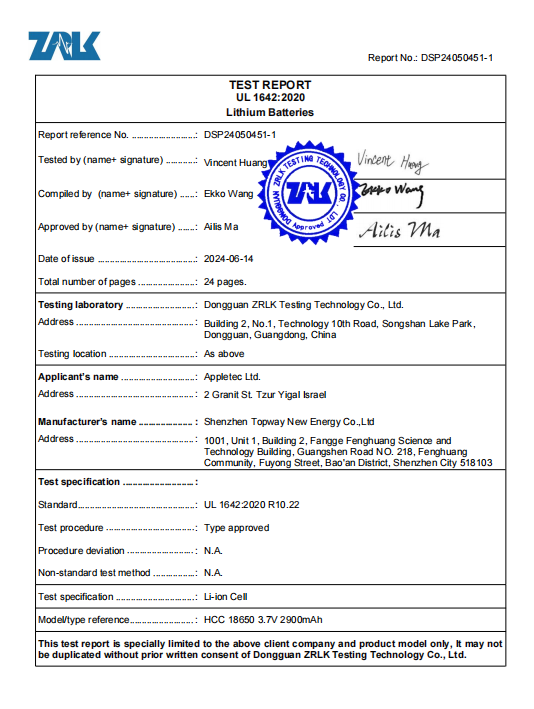
In regulated events, the flight requirement and the documentation requirement are equally binding. A pack that is technically suitable but undocumented is a pack the team cannot reliably enter. The practical rule is to buy the compliance first: confirm the certificate set, confirm that the certificate names the model designation being used, and confirm the labelling the organizer requires. UL 1642:2020 for lithium cells and UL 2054:2021 for battery packs are the pack-level and cell-level safety documents most often requested; IEC 62133-2:2017 is the portable lithium safety standard, and IEC 62619:2022 addresses industrial lithium applications. A cell certificate is not automatically a pack approval, and buyers should ask the supplier for the document that matches the finished pack.
Industrial inspection and commercial aerial filming
These missions use racing-derived airframes but are not races. The pack is selected for repeatability across a flight schedule, for behaviour at the site temperature, and for a documented safety file the client can review. Fast-charging capability matters more than peak discharge, because turnaround between flights determines how much work a crew completes in a day. An industrial inspection programme in a hot environment and a filming programme in a cold environment should not be specifying the same pack.
Matching Packs to Weight Classes
Weight classes exist to make lap times comparable between competitors. The organizer sets the threshold; the team's job is to stay inside it without giving away energy it actually needs. Three rules make that manageable.
Measure the complete installed mass, not the pack label. Connectors, balance leads, straps, and any mounting hardware are part of what the scale sees. A pack that is inside the allowance on paper can be outside it once installed.
Choose capacity last, not first. Start from the mass allowance and work backwards to the highest-capacity pack that leaves a working margin, then confirm that this pack completes the run distance at the required discharge level. If it does not, the constraint is the class, not the supplier, and the correct response is to change the run strategy or the pack format rather than to exceed the class.
Keep one pack family per class. Where a team competes in more than one class, using a consistent pack family across classes keeps charging equipment, connectors and documentation common, and reduces the chance of a pack being installed in the wrong airframe under time pressure.
Step-by-Step: A Pack Specification Workflow
- Define the mission profile. Write down the environment (indoor or outdoor), the run duration, and whether the application is competition, inspection or filming. A high-discharge rate racing drone battery and a long-endurance racing drone battery are answers to different mission profiles; decide which profile you have before contacting a supplier.
- Set the weight budget. Record the class threshold, then subtract airframe, electronics, propeller and payload mass to leave a pack allowance. Include connectors and straps.
- Collect written event requirements. Obtain the organizer's pack inspection rules, labelling rules, and the certificate list in writing. Do not work from a verbal understanding.
- Decide the discharge-versus-endurance priority. Indoor technical courses weight discharge consistency more heavily; outdoor speed courses weight sustained delivery; non-competition missions weight repeatability and charge turnaround. Rank the three and keep the ranking visible for the next step.
- Select chemistry and pack format. Lithium polymer packs remain the common format for high-discharge racing configurations, and high-purity lithium core construction is one of the variables buyers should ask suppliers to describe. Where a cylindrical lithium-ion format is being considered for a longer-endurance or non-competition role, confirm cell format, pack construction and mounting with the supplier rather than assuming a direct swap.
- Validate thermal and charging behaviour for the venue. Ask for temperature behaviour across the operating range you will actually fly in, and ask separately for the charge rate the pack is rated for and the thermal conditions attached to it. A high-temperature resistant racing drone battery specification and a low-temperature adaptable racing drone battery specification are not interchangeable, and a fast-charging racing drone battery is only useful if the rated charge conditions match the venue's power setup.
- Test samples on a representative course. Run a sample on a course that mirrors the target environment. Log installed mass, voltage behaviour under repeated throttle, temperature after each run, and charge turnaround. Compare against your current pack rather than against a datasheet.
- Lock documentation and supply terms. Match the certificate to the exact model designation, store it with the purchase order, and agree the delivery schedule in writing before the season begins.
Use Cases in Practice
Professional racing event teams. A professional racing event drone battery has to survive a full event calendar, not a single heat. That means consistent behaviour across packs from the same batch, a certificate set that travels with the team, and a supplier who can repeat the same pack configuration when it is reordered mid-season.
Outdoor competition pilots. An outdoor competition racing drone battery is bought for sustained current and thermal stability. Teams flying this format usually accept a higher pack mass in exchange for voltage held through the straights, and they evaluate packs across successive heats rather than on a single pull.
Industrial inspection operators. An industrial inspection racing drone battery is specified for repeatable flight, site temperature, and documentation a client safety review can accept. Discharge peaks matter less than the guarantee that flight twenty behaves like flight two.
Commercial aerial filming crews. A commercial aerial filming racing drone battery supports proximity work where the aircraft must respond immediately, but where a failed pack means a lost shot and a lost day. Charge turnaround and a documented fast-charging specification carry more commercial weight than the highest available discharge figure.
Long-endurance and remote-site operations. A long-endurance racing drone battery is the right specification wherever the limiting factor is time in the air rather than peak power — survey support, extended inspection runs, and sites where battery swaps are impractical. The trade-off against discharge capability should be stated explicitly at the specification stage, not discovered in the field.
Comparison Table: Environment Versus Pack Priority
| Flight environment | Primary demand on the pack | Characteristic to prioritise | Confirm before ordering |
|---|---|---|---|
| Indoor technical track | Pulsed throttle, repeated direction change | Low installed mass; stable voltage under pulse load | Installed mass with connectors and straps |
| Outdoor speed course | Sustained full-throttle sections | High discharge capability; thermal stability | Temperature behaviour across successive heats |
| Regulated event format | Inspection, labelling and documentation | Certificate matching the exact pack model | Organizer's written pack requirement |
| Industrial inspection | Repeatability across a flight schedule; site temperature | Consistent behaviour; documented safety file | Operating temperature range for the site |
| Commercial aerial filming | Immediate response plus daily work volume | Fast-charging capability; pack durability | Rated charge conditions and turnaround |
| Long-endurance mission | Time in the air rather than peak power | Usable energy within the mass allowance | Discharge trade-off stated by the supplier |
| Hot or cold outdoor venue | Charge acceptance and thermal behaviour | High-temperature resistance or low-temperature adaptability | Test data for the actual operating range |
The table is a decision framework, not a performance ranking. Column three describes what to prioritise; the actual values must be obtained from the supplier's test data for the specific pack.
Comparison Table: Documented Certifications Held for HCC Cells and Packs
| Document / certificate | Scope | Where it matters in a racing battery purchase |
|---|---|---|
| UL 1642:2020 | Lithium cells | Cell-level safety evidence requested in export and event documentation |
| UL 2054:2021 | Battery packs | Pack-level document that inspection desks and clients more often ask for |
| IEC 62133-2:2017 | Portable sealed secondary lithium cells and batteries | Portable lithium safety reference for internationally shipped packs |
| IEC 62619:2022 | Secondary lithium cells and batteries for industrial applications | Relevant to inspection and industrial mission packs |
| ISO 9001:2015 | Quality management system | Batch consistency evidence for repeat orders |
| RoHS and CE | Export market access | Customs and market-entry documentation |
| SGS supplier verification QiP-ASl232059 | Audited supplier status | Third-party supplier verification for first-time buyers |
Certificate scope descriptions reflect the published titles of the standards. Buyers should request the certificate copy that carries the model designation of the pack they intend to purchase.
Frequently Asked Questions
Which certifications should a racing drone battery carry before an event and before export?
HCC's related products have passed RoHS, UL and CE export certifications, and the documented certificate set includes UL 1642:2020, UL 2054:2021, IEC 62133-2:2017, IEC 62619:2022 and ISO 9001:2015. Organizers set their own inspection rules, so the working answer is to obtain the organizer's certificate list in writing and then request the certificate copy that carries the exact model designation you are entering. A cell-level certificate is not automatically a pack-level approval.
Can one supplier deliver both high-discharge and long-endurance pack configurations?
Yes, provided the supplier holds pack-solution capability rather than a fixed catalogue. HCC has independent R&D capability and provides battery pack solutions alongside cooperative production, with a stated plan to move into in-house production after solution design and to introduce advanced battery production lines. For a team competing across indoor and outdoor formats, that means different pack configurations can be specified within one relationship and covered by one documentation set — but buyers should confirm which configurations are standard and which require a custom pack solution.
What drives the cost of a racing drone battery specification?
Three factors dominate: the cell grade and construction used, the certification scope attached to the finished pack, and the order structure — a repeat standard pack versus a complex custom build. HCC positions its production plans around complex product orders and large-volume orders. The practical budget rule is to compare cost per usable heat rather than cost per pack: a cheaper pack that cannot complete the run distance at the required discharge level increases the number of packs a team must carry and charge.
How should a team validate a pack before committing to a season?
Request samples matched to the intended environment and run them on a course that mirrors it. Log four things: installed mass with connectors and straps, voltage behaviour under repeated throttle application, temperature after each run, and charge turnaround. Compare those results against your current pack rather than against a datasheet. HCC supplies battery pack solutions and takes sample and specification enquiries through sales@hcctop.com and its website at hcctop.com.
What affects lead time on a custom racing drone battery order?
Lead time is driven by pack complexity, order volume, the certification documents that must accompany the shipment, and the production stage the supplier is at. HCC describes its planned transition toward in-house production and advanced battery production lines as a way to serve complex product orders and large-volume orders with a more efficient, higher-quality delivery experience. Buyers should ask for a written schedule that separates sample delivery, pilot batch and mass production, and should place the first order well before the season starts. To begin, send your track type, weight class and event documentation to HCC at sales@hcctop.com or +86 755 81461866 for a quotation and sample arrangement.
Conclusion: Specify the Race Before the Pack
Matching a racing drone battery to a race is a three-part decision. The track decides whether discharge consistency or sustained current matters more. The weight class decides how much capacity can be carried at all. The event regulation decides whether the pack can be entered, regardless of how well it flies. A pack that satisfies all three is the correct purchase; a pack that satisfies two is a known compromise that should be written down before the season, not found on race day.
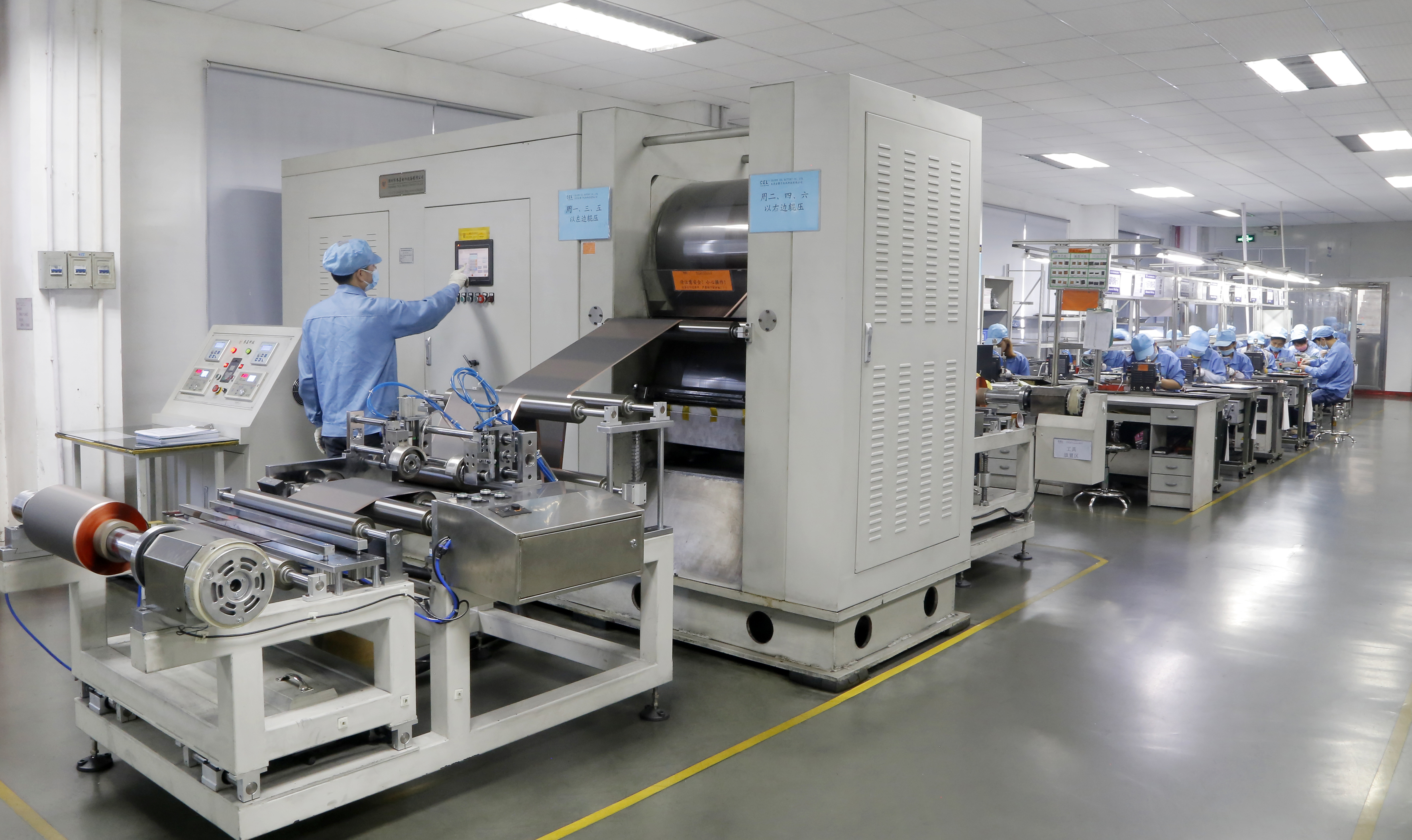
For buyers consolidating supply, the practical advantage of working with a pack-solution supplier is that indoor, outdoor and long-endurance configurations, together with the certification documents behind them, can be held in one relationship. Shenzhen Topway New Energy Co., Ltd. (HCC) operates a sales centre in Shenzhen with independent R&D capability, provides battery pack solutions and cooperative production, and holds a documented certificate set spanning UL 1642:2020, UL 2054:2021, IEC 62133-2:2017, IEC 62619:2022, ISO 9001:2015, RoHS and CE, alongside the 2025 Top 100 Innovative Science and Technology Enterprises of the Guangdong–Hong Kong–Macao Greater Bay Area recognition.
Request a matched pack proposal. Send your flight environment, weight class and event requirement, and HCC will respond with pack configuration options, the relevant certificate copies and a sample arrangement.
Email: sales@hcctop.com · Phone: +86 755 81461866 · WhatsApp: +86 18682160604 · WeChat: Wangdh-HZT · Website: www.hcctop.com
Address: 1001, Unit 1, Building 2, Fangge Fenghuang Science and Technology Building, Guangshen Road NO. 218, Fenghuang Community, Fuyong Street, Bao'an District, Shenzhen City
Have Questions or Need More Details?
Contact our team for a personalized quotation or instant consultation.
Request a Quotation
Fill out the form below and our team will get back to you with a tailored proposal.
WhatsApp Direct Chat
Prefer to chat in real-time? Message us on WhatsApp for instant assistance & quick answers.
- Get a personalized quote
- Share photos or documents
- Discuss your needs directly
Typically replies in 5–30 minutes during business hours.