
Top Solar Battery Packs for Home Backup: Ranked by Capacity and Compatibility
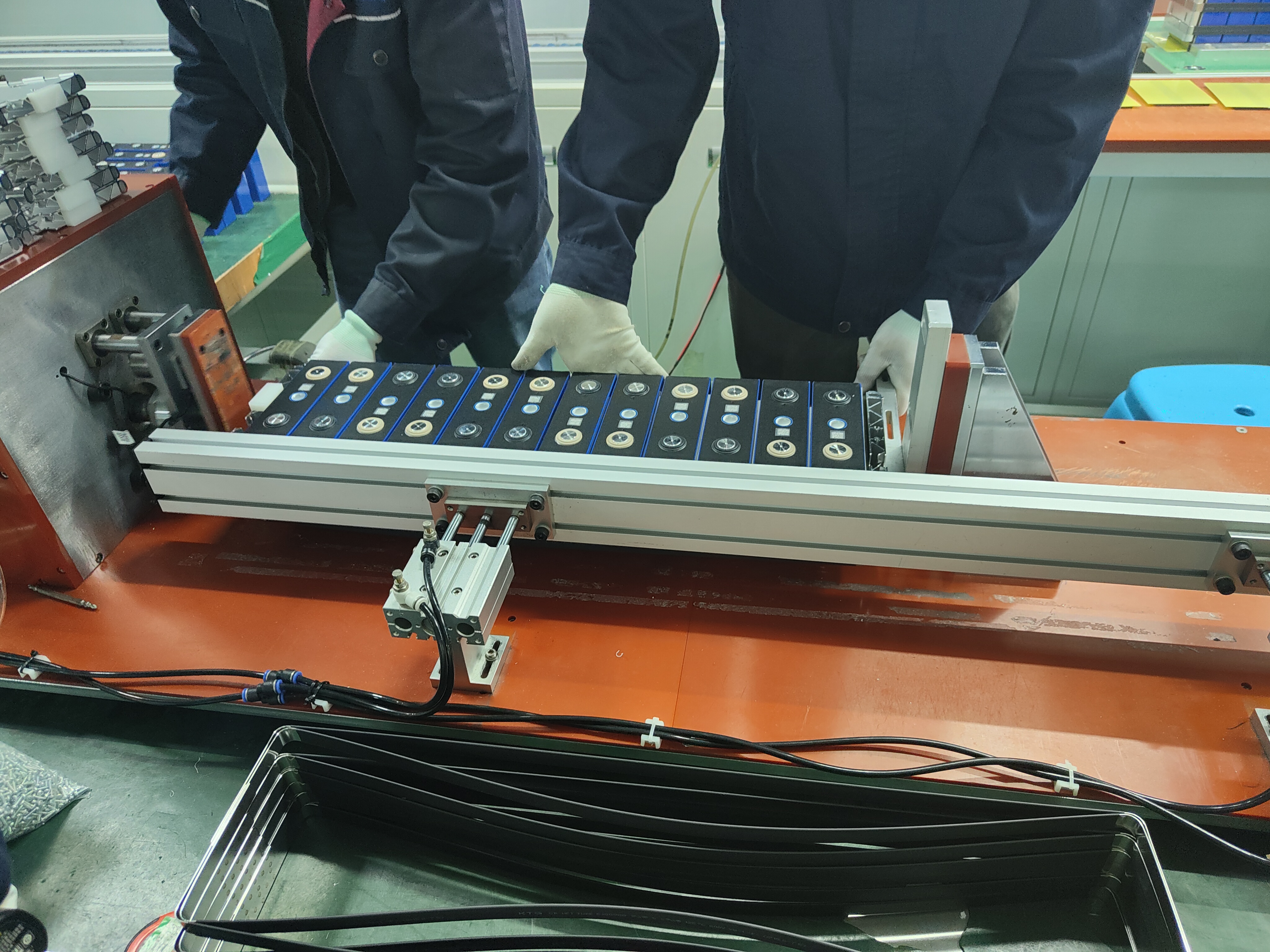
Choosing a solar battery pack for home backup is a compatibility decision before it is a capacity decision. A pack has to sit inside the DC voltage window of the inverter, hold enough usable energy for the loads a household actually wants to keep alive during an outage, and mount somewhere a wall can carry the weight and the clearance. This ranking scores five home-backup pack configurations against those three practical criteria - capacity, voltage compatibility with common inverters, and mounting - and then adds the ownership factors that decide whether the same pack still makes sense in year ten.
Short answer: for most homes running a hybrid inverter, the top-ranked configuration is a 48V 200Ah lithium pack in a wall-mounted enclosure. The 5 kW wall mounted battery class - a 48V, 100Ah lithium pack - ranks second and is the better fit for critical-load backup, or for households that prefer to expand in modules rather than buy a second system later.
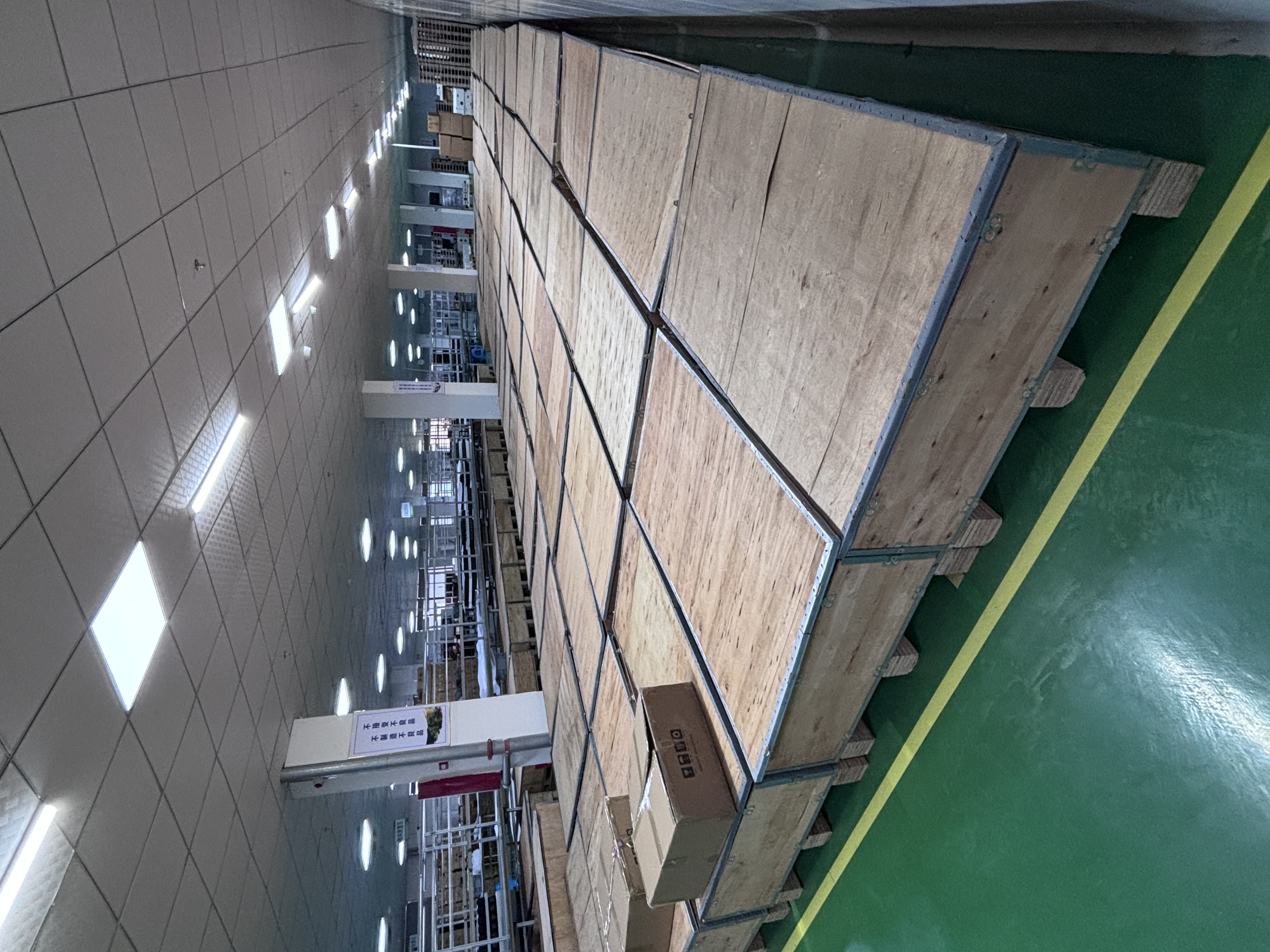
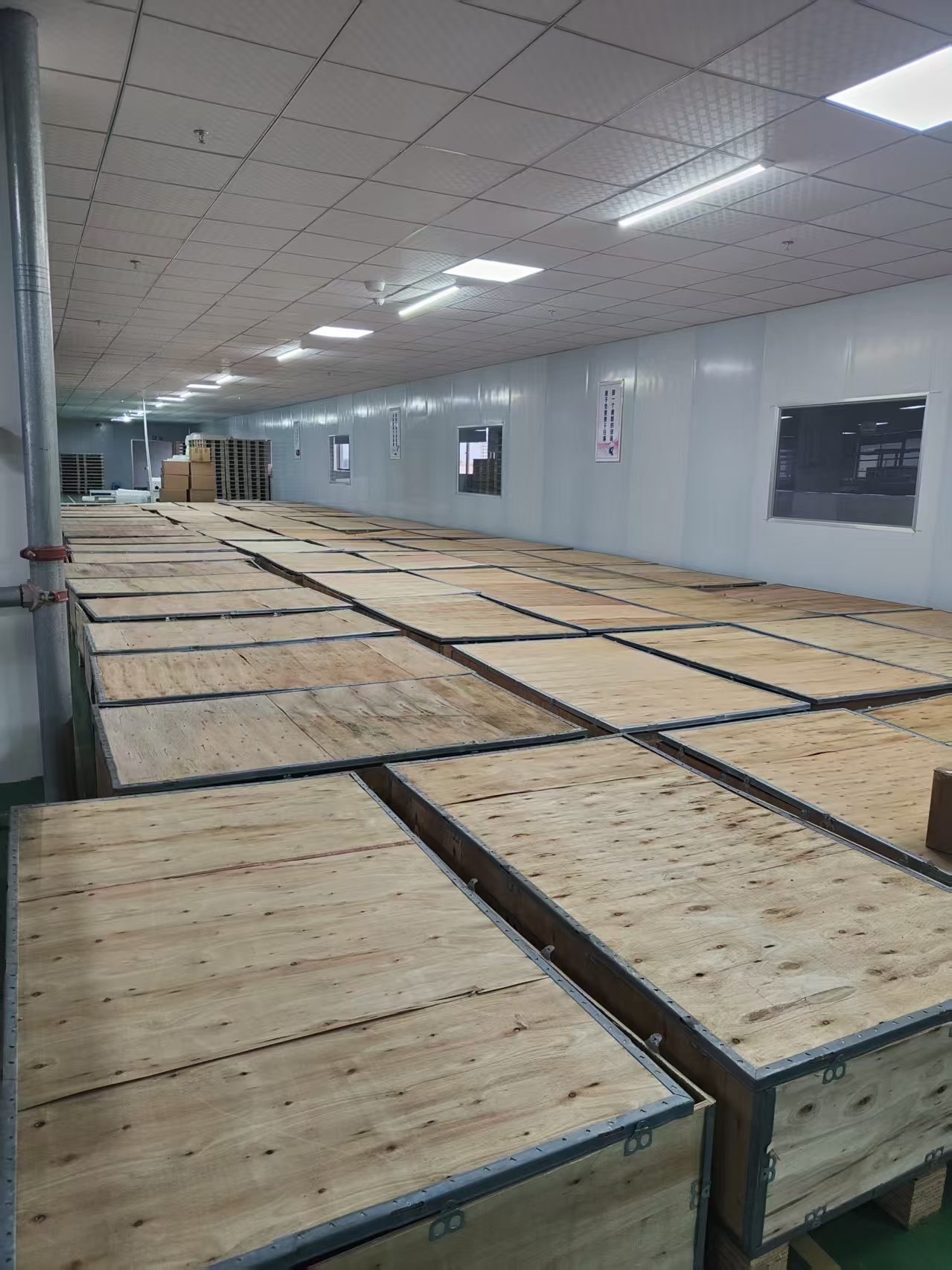
Shenzhen Topway New Energy Co., Ltd., which trades as HCC, is a Shenzhen-based battery pack manufacturer and supplier whose main business covers energy storage batteries and lithium-ion batteries. HCC was established in 2022 and operates a 10,000 m2 facility with approximately 200 employees, a 15-person R&D team and an export ratio of about 40%. Its markets include the USA, EU, UK, France, Germany, Italy, Spain, Russia, Poland, Turkey, Japan, Korea, Vietnam, Malaysia, Singapore, Indonesia, the Philippines, Canada, Mexico, Australia, Thailand, New Zealand, Brazil, Argentina, Chile and Peru.
Why Home Backup Systems Fail on Compatibility, Not Chemistry
Homeowners usually read a weak backup system as a battery quality problem. In practice, three mismatches cause most of the trouble, and all three are decided before a single cell is manufactured.
- Voltage mismatch. Every pack has a nominal class - 12V, 24V, 36V or 48V - and the pack has to sit inside the DC input window of the inverter. A 48V pack wired to an inverter designed around a 24V DC input does not simply underperform; it does not operate as designed. Voltage compatibility therefore ranks above capacity in this list.
- Capacity mismatch. Households tend to size a pack against peak draw instead of against the load list they actually want to keep running. A pack that carries the whole house for ten minutes is worth less than one that carries refrigeration, communications and lighting through a night.
- Physical mismatch. Wall-mounted packs need a load-bearing surface, ventilation clearance and a cable route that stays inside the manufacturer's limits. Weight and enclosure volume belong in the specification conversation, not in an installation-day surprise.
There is a fourth, quieter failure mode: over-discharge. A pack repeatedly drained below its safe floor loses usable capacity long before the chemistry reaches end of life, and the loss is cumulative. Over-discharge is a controls problem rather than a cell problem. HCC's published control approach combines active cell balancing, over-temperature protection and current limiting in the battery management system, supported by hardware measures such as an NTC temperature sensor, flame-retardant electrolyte and separator, and a heat-insulating compartment. In production, cell capacity grading and matching is applied, and every pack passes a pack-stage high-temperature aging test. Those measures - not the label on the enclosure - are what keep a backup pack usable in year eight.
The Storage Battery Market This Ranking Sits Inside
Buyers in the decision stage are choosing inside a fast-moving market, and the direction of that market affects how long a purchase stays relevant.
Grand View Research sizes the global Battery Energy Storage System (BESS) market at approximately USD 13.2 billion in 2025, with a projection of USD 99.7 billion by 2033. Lithium-ion chemistries held the largest share of that market in 2025, at 53.5%. Sodium-ion is the challenger to watch: Precedence Research projects an 18.84% CAGR from 2026 to 2035, reaching USD 7.81 billion.
Those figures need one caveat, because market size depends on scope. Mordor Intelligence estimates the 2026 BESS market at USD 89.89 billion including utility-scale projects, while Grand View Research uses a narrower system definition and lands at USD 17.4 billion. Any single number should be read as a definition, not a scoreboard. At integrator level, Wood Mackenzie recorded Tesla at 15% and Sungrow at 14% of global BESS integrator share in 2024.
The structural takeaway for a household is simple: concentration is high at system level, but pack-level supply is broader. Because a home backup pack is expected to outlive the inverter it was first paired with, spare-part availability and continued model support often matter more than the badge on the enclosure. That ecosystem question, rather than one capacity figure, is what separates a durable purchase from an expensive one.
Five Criteria Used to Rank These Packs
- Usable capacity and scalability. How much energy the pack holds, and whether another module can be added later instead of replacing the whole system.
- Voltage compatibility with common inverters. The nominal class must fall inside the inverter's DC window. The 48V family is the one most residential hybrid inverters are built around, while 12V and 24V classes fit smaller inverters and DC-first loads.
- Mounting practicality. Wall-mounted enclosure design, weight distribution, indoor or outdoor suitability, and how easily the casing opens for component-level service.
- Long-term ownership cost. Cycle life, inspection frequency, consumables and replacement cost measured over a decade rather than at the point of sale.
- Safety and compliance. Cell grading, aging tests, layered BMS protection and conformance with the standards that apply in the destination market.
Top Solar Battery Packs for Home Backup, Ranked
1. 48V 200Ah lithium pack, wall-mounted - best for whole-home backup
Rank one is the configuration most households with a hybrid inverter end up specifying: a 200Ah lithium pack at 48V nominal in a wall-mounted enclosure. Two things put it on top. First, 200Ah is the largest capacity class in this ranking, which is the class aimed at whole-home backup duty rather than single-appliance duty. Second, the 48V family matches the DC bus that residential hybrid inverters are commonly designed around, so the installation avoids extra conversion hardware between the pack and the inverter.
Mounting is the third reason. A vertical enclosure keeps the pack off the floor, leaves the ground clear, and pairs naturally with cable routing along a garage or utility wall. Weight still needs to be checked before installation rather than after: even the smaller 48V class unit described in HCC's comparison data sits at about 50 kg and roughly 45L of volume. That is manageable on a suitable wall, but it is a specification to confirm in advance.
Ownership economics complete the case. HCC's lithium-versus-sodium comparison records 3,000 cycles for lithium energy storage against 2,000 for an equivalent sodium battery, and a 10-year replacement cost that is 30% lower. Maintenance is limited to one or two inspections per year - cleaning and voltage detection - with no special consumables required. For a family planning to keep the same inverter for a decade, that is the difference between a consumable and infrastructure.
2. 48V 100Ah lithium pack (5 kW wall mounted battery class) - best for critical loads and staged expansion
Rank two is the class buyers usually mean when they search for a 5 kW wall mounted battery: a 48V, 100Ah lithium pack. HCC's comparison data states that a 100Ah lithium energy storage unit can run a 5 kW load continuously for one hour on a single full charge, with endurance 30% stronger than an equivalent sodium system. The same comparison records a system volume of approximately 45L and a weight of about 50 kg - 25% smaller and 23% lighter than a like-for-like sodium battery at roughly 60L and 65 kg - with total energy 33.3% higher, enabling more storage in the same volume.
This entry fits two buyer profiles. The first is a household whose backup list is limited, where a 100Ah pack covers the need without buying capacity that will sit idle. The second is a household that wants to start small and add capacity later. HCC describes the pack structure as modular, with a sturdy internal structure that is shock-resistant and vibration-proof and suitable for outdoor installation, plus a casing that can be disassembled so individual components can be replaced.
3. 24V lithium ion battery pack - best for short load lists and smaller inverters
Rank three is the 24V lithium ion battery pack. Two things change when the voltage class drops from 48V to 24V: the pack becomes lighter and easier to handle, and the relevant inverter pool shifts toward smaller hybrid and off-grid units. A 24V pack is usually the right answer where the backup load list is short and the inverter was sized for a cabin, a workshop or a compact living unit rather than a full house. Compatibility remains the deciding factor on both sides of the cable: the pack voltage class must sit inside the inverter's DC window, and the charge and discharge current limits of the inverter must be respected by the pack.
4. 12V 100Ah LiFePO4 pack - best for DC-first backup and staged retrofits
Rank four is the 12V 100Ah LiFePO4 pack. This is the class for DC-first backup - lighting circuits, communications equipment and small inverters - where the household wants a battery that can be moved, added to or repurposed rather than a permanent wall installation. LiFePO4 is a common chemistry choice at this size because of its thermal stability profile and its comparatively flat discharge behaviour. It ranks fourth here not because it performs poorly, but because this ranking weights whole-home capacity and wall mounting above portability.
5. Sodium-ion battery pack - best for long-horizon planning, with trade-offs
Rank five is sodium-ion energy storage. Verified market data supports the direction of travel: Precedence Research projects the sodium-ion battery market expanding at an 18.84% CAGR from 2026 to 2035 to reach USD 7.81 billion. Measured against lithium on HCC's own comparison data, however, sodium currently trades cycle life for chemistry availability - 2,000 cycles versus 3,000 - and needs more space for the same energy, at roughly 60L and 65 kg against about 45L and 50 kg. HCC's data also puts the 10-year replacement cost 30% higher and maintenance cost around 20% above the lithium equivalent. For whole-home backup today, sodium is a technology to track rather than a default first pick.
Ranking at a Glance
| Rank | Configuration | Nominal voltage class | Primary home-backup role | Mounting |
|---|---|---|---|---|
| 1 | 200Ah lithium pack | 48V | Whole-home backup | Wall-mounted enclosure |
| 2 | 100Ah lithium pack (5 kW class) | 48V | Critical loads, staged expansion | Wall-mounted enclosure |
| 3 | 24V lithium ion battery pack | 24V | Short load lists, smaller inverters | Wall or rack |
| 4 | 100Ah LiFePO4 pack | 12V | DC-first backup, add-on storage | Wall, shelf or portable |
| 5 | Sodium-ion battery pack | System-dependent | Long-horizon planning | Wall or rack |
Configuration classes only. Final capacity, voltage class and enclosure options are confirmed per order and per inverter model before shipment.
Step-by-Step: Turning This Ranking Into an Order
- Write the critical-load list. Refrigeration, communications, lighting, medical equipment, network gear. Add the number of hours each item must run, and mark which items can be dropped in a long outage.
- Read the inverter datasheet first. The DC input voltage range, the maximum charge and discharge current, and the battery management expectations decide which voltage class is even eligible.
- Convert the list into a capacity target. Use the load list, not the household's peak draw. A 5 kW load running for one hour on a 100Ah lithium charge, as recorded in HCC's comparison data, is a useful reference point for translating load and time into pack size.
- Choose voltage class before capacity. If the inverter is a residential hybrid unit, the 48V family is the usual starting point; 24V and 12V classes apply where the inverter or the load set is smaller.
- Check the wall and the cable route. Confirm load-bearing capacity, ventilation clearance and cable length. HCC describes its pack structure as shock-resistant, vibration-proof and suitable for outdoor installation, which gives more placement options in a garage or on an exterior wall.
- Verify protection and compliance before price. Look for active cell balancing, over-temperature protection and current limiting in the BMS, an NTC temperature sensor, flame-retardant electrolyte and separator, and a heat-insulating compartment. Ask for cell capacity grading and matching plus a pack-stage high-temperature aging test in the production flow. On standards: IEC 62619:2022 is the current international safety standard for lithium-ion batteries in industrial and stationary applications and covers thermal runaway and BMS verification; UL 1973 is the primary North American safety standard for batteries in stationary applications such as solar energy storage and UPS; UN 38.3 certification is mandatory for global transport of lithium batteries and requires 8 specific tests including altitude simulation and thermal testing. HCC states that related products have passed RoHS, UL and CE export certifications.
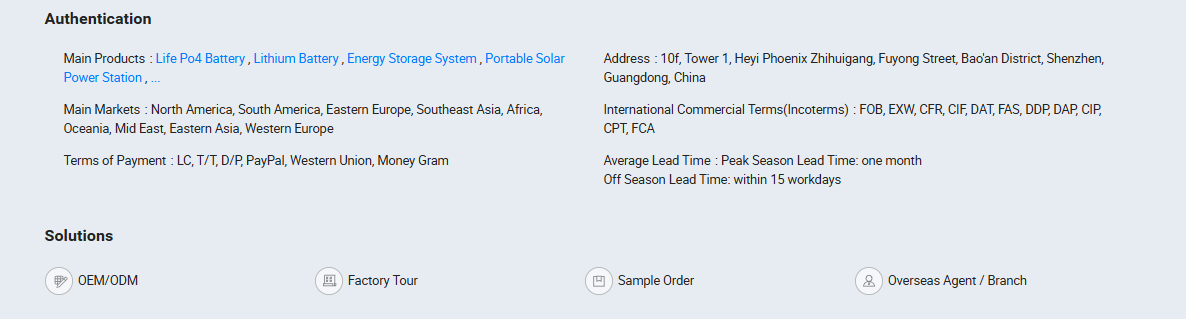
- Agree commercial terms and acceptance. HCC publishes an MOQ of 1,000-10,000 pcs, delivery terms covering FOB, EXW, CFR, CIF, DAT, FAS, DDP, DAP, CIP, CPT and FCA, pre-shipment test as the acceptance criterion, and payment terms that include LC, T/T, D/P, PayPal, Western Union and Money Gram. Homeowners buying a single installation normally reach these terms through their installer; installers, distributors and channel partners order at this level directly.
- Plan the year-ten service routine. One or two inspections per year - cleaning and voltage detection - with no special consumables, plus a modular casing that allows component replacement instead of whole-unit replacement.
Where Each Configuration Fits
- Suburban house with rooftop PV, outages of a few hours to overnight. A 48V 200Ah lithium pack, wall-mounted. The goal is to keep the house operating normally rather than to protect a single circuit.
- Critical-load household. A 48V 100Ah pack in the 5 kW wall mounted class, which HCC's data shows can run a 5 kW load continuously for one hour on a full charge. Good fit where the list is short and the priority is a smaller, lighter wall unit.
- Cabin, workshop or compact apartment. A 24V lithium ion battery pack matched to a smaller hybrid or off-grid inverter, where the load list is deliberately short.
- DC-first backup and staged retrofits. A 12V 100Ah LiFePO4 pack for lighting, communications and small inverters, where portability and incremental expansion matter more than whole-home coverage.
- Adjacent applications that share the same pack engineering. The same cell grading, BMS protection and aging-test discipline applies to mobility and specialty packs. The global golf cart battery market was estimated at USD 1.49 billion in 2024, with lithium-ion types capturing a 47.18% share, and HCC's stated product range also covers robot, exoskeleton and drone battery packs. None of this changes the home-backup ranking above; it simply shows the engineering base behind it.
Lithium vs Sodium Energy Storage: The Numbers HCC Publishes
The table below reproduces HCC's published lithium-versus-sodium energy storage comparison. It explains why four of the five ranked configurations above are lithium-based, and what a buyer gives up today by choosing sodium.
| Metric | Lithium energy storage (HCC comparison) | Sodium battery energy storage |
|---|---|---|
| Energy density | 50% higher | Reference value |
| Cycle life | 3,000 cycles (50% higher) | 2,000 cycles |
| Charge and discharge efficiency | 4.3% higher | Reference value |
| Total energy in the same volume | 33.3% higher | Reference value |
| Endurance reference | 100Ah unit runs a 5 kW load for 1 hour; 30% stronger endurance | Reference value |
| Volume and weight | Approx. 45L, approx. 50 kg | Approx. 60L, approx. 65 kg (25% larger, 23% heavier) |
| 10-year replacement cost | 30% lower | Reference value |
| Maintenance | 1-2 inspections per year, no special consumables, 20% lower cost | Higher maintenance cost |
| Best fit | Residential storage with rooftop PV, commercial and industrial peak-shaving, grid-side storage, mobile storage | Same application categories where sodium supply and cost profile fit |
FAQ: Home Solar Battery Pack Selection
What standards should a home solar battery pack meet, and what has HCC certified?
Three standards cover most of the answer. IEC 62619:2022 is the current international safety standard for lithium-ion batteries used in industrial and stationary applications, and it covers thermal runaway and BMS verification. UL 1973 is the primary safety standard in North America for batteries in stationary applications such as solar energy storage and UPS. UN 38.3 certification is mandatory for the global transport of lithium batteries and requires 8 specific tests, including altitude simulation and thermal testing. HCC states that related products have passed RoHS, UL and CE export certifications, and documentation should be confirmed against the destination market before shipping.
How does a wall-mounted solar battery pack protect itself from over-discharge and overheating?
HCC's approach combines active cell balancing, over-temperature protection and current limiting, supported by hardware measures that include an NTC temperature sensor, flame-retardant electrolyte and separator, and a heat-insulating compartment. At production level, cells are graded and matched by capacity and each pack goes through a high-temperature aging test. For a homeowner the practical result is a pack designed to stop itself before a deep-discharge event turns into permanent capacity loss, which is the failure that shortens backup system life most often.
What commercial terms apply when ordering at project or stock level?
HCC publishes an MOQ of 1,000-10,000 pcs, delivery terms covering FOB, EXW, CFR, CIF, DAT, FAS, DDP, DAP, CIP, CPT and FCA, pre-shipment test as the acceptance criterion, and payment terms that include LC, T/T, D/P, PayPal, Western Union and Money Gram. On the ownership side, HCC's comparison data places lithium maintenance cost 20% below an equivalent sodium system, with one to two inspections per year and no special consumables - a cost line that rarely appears in a first quotation but shows up across a decade of use.
How can a buyer validate a pack before committing to volume?
HCC's stated acceptance criterion is a pre-shipment test, and the company confirms RoHS, UL and CE export certification for related products. Buyers evaluating a specific configuration, such as a 48V 200Ah pack or a 5 kW wall mounted battery, should confirm the exact voltage class, capacity and enclosure option against their inverter model first, then request current product documentation and test records. The fastest route is a direct inquiry that includes the inverter model and the critical-load list: contact sales@hcctop.com or WhatsApp +86 18682160604, and download the 2026 product brochure at HCC product brochure (PDF).
What should buyers check so a battery pack is still serviceable in year ten?
Four points decide it. Cycle life first: HCC's comparison data records 3,000 cycles for its lithium energy storage against 2,000 for an equivalent sodium battery, with a 10-year replacement cost 30% lower. Serviceability second: the pack is described as modular, with a casing that can be disassembled for component replacement rather than whole-unit replacement. Installation resilience third: the internal structure is described as shock-resistant and vibration-proof and suitable for outdoor installation, which matters for a garage or exterior wall. Supplier continuity fourth: confirm the manufacturer still supports the model and can supply spare components - HCC publishes its contact channels and product documentation at hcctop.com, and buyers can open a long-term supply conversation directly through those channels.
Conclusion: Rank Compatibility First, Then Capacity
The ranking comes down to three checks in a fixed order. First, voltage: the pack's nominal class must sit inside the inverter's DC window, which is why 48V configurations lead this list. Second, capacity: size against the load list that has to survive an outage, not against peak household draw - a 200Ah pack for whole-home duty, a 100Ah pack in the 5 kW wall mounted class for critical loads and staged expansion. Third, mounting and long-term serviceability: a wall enclosure that the structure can carry, a modular build that allows component-level replacement, and a chemistry whose cycle life and maintenance profile hold up over a decade rather than a season.
HCC manufactures and supplies energy storage and lithium-ion battery packs from Shenzhen, with RoHS, UL and CE export certifications on related products and a 15-person R&D team supporting pack configuration work. For buyers at the execution stage, the useful next move is not another comparison table but a matched configuration: send the inverter model and the critical-load list, and confirm which pack class fits.
Match a pack to your inverter
Send your inverter model, required voltage class and critical-load list, and HCC will confirm which configuration fits: a 48V 200Ah pack, a 5 kW wall mounted battery, a 24V pack or a 12V 100Ah LiFePO4 unit.
Email: sales@hcctop.com | WhatsApp: +86 18682160604 | Website: hcctop.com
Download the 2026 product brochure: HCC product brochure (PDF)
Have Questions or Need More Details?
Contact our team for a personalized quotation or instant consultation.
Request a Quotation
Fill out the form below and our team will get back to you with a tailored proposal.
WhatsApp Direct Chat
Prefer to chat in real-time? Message us on WhatsApp for instant assistance & quick answers.
- Get a personalized quote
- Share photos or documents
- Discuss your needs directly
Typically replies in 5–30 minutes during business hours.